All-New Waymo Robotaxi Finally Debuts
Source published ·Modelwire updated
Original coverage: AI Business ↗·How Modelwire adds context
The development
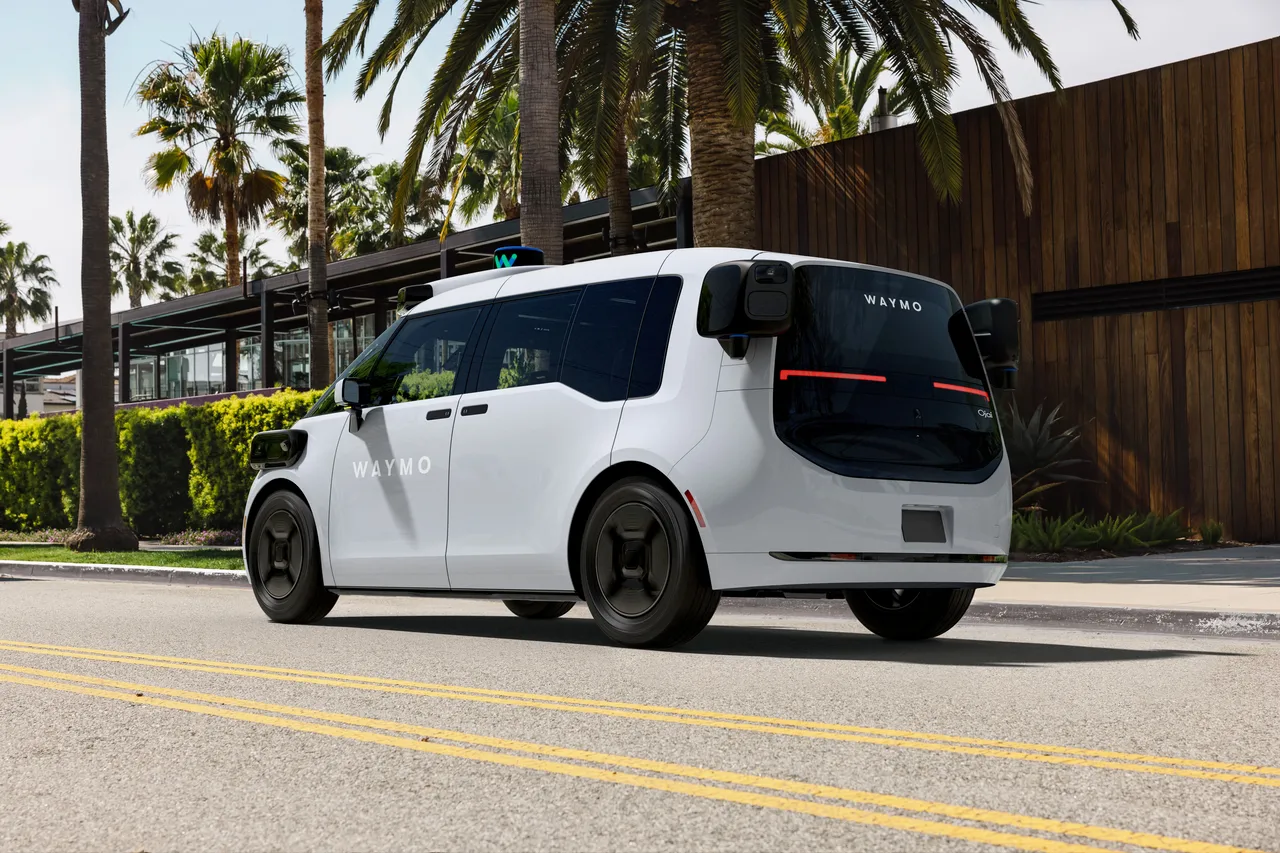
Waymo's next-generation robotaxi represents a critical inflection point in autonomous vehicle deployment, marking the transition from experimental platforms to production-grade hardware after a four-year development cycle. The vehicle's arrival signals that self-driving technology has matured beyond perception and planning algorithms into systems-level engineering, forcing competitors and regulators to recalibrate timelines for autonomous fleet adoption. For AI infrastructure investors, this validates the commercial viability of embodied AI systems and raises questions about compute requirements, real-time decision-making architectures, and the role of simulation in training autonomous agents at scale.
Modelwire’s AI-generated summary of coverage from AI Business.
Modelwire analysis
Analyst takeOur AI-generated reading of the wider context and the next developments to watch.
The four-year development cycle is the detail worth sitting with: Waymo spent that time not just refining perception software but rebuilding the vehicle as an integrated system, which means competitors can't simply license the software stack and catch up. The hardware and software are now co-designed in ways that make replication slower and more capital-intensive than the prior generation.
The data acquisition angle connects directly to the Verge story from the same day about Shift filming users doing household chores to train embodied AI. Waymo's production fleet is, among other things, a proprietary data flywheel: every mile driven generates labeled real-world sensor data that competitors cannot replicate from simulation alone. The Shift story illustrated how data scarcity has become the binding constraint for embodied AI broadly, and Waymo's scaled deployment is the autonomous vehicle equivalent of that same dynamic, except Waymo controls both the collection infrastructure and the downstream model training.
Watch whether Waymo announces a fleet expansion target or a new city launch within the next six months. If they do, it confirms the production hardware is genuinely ready for scale rather than a limited showcase rollout.
This interpretation is generated from the summary above and available source metadata. Our methodology · Report an error
MentionsWaymo · Waymo Robotaxi
How this coverage is produced
Modelwire uses AI to generate summaries and context from source headlines, snippets, and selected archive coverage. Automated checks do not verify every claim, and items are not routinely reviewed by a person before publication. Zacaria Solis operates the site. Read the linked source for the full evidence and report errors through our corrections process.
Modelwire summarizes, we don’t republish. The full content lives on aibusiness.com. If you’re a publisher and want a different summarization policy for your work, see our takedown page.