Amazon’s cloud business is surging , and so is its capital spending
Source published ·Modelwire updated
Original coverage: TechCrunch - AI ↗·How Modelwire adds context
The development
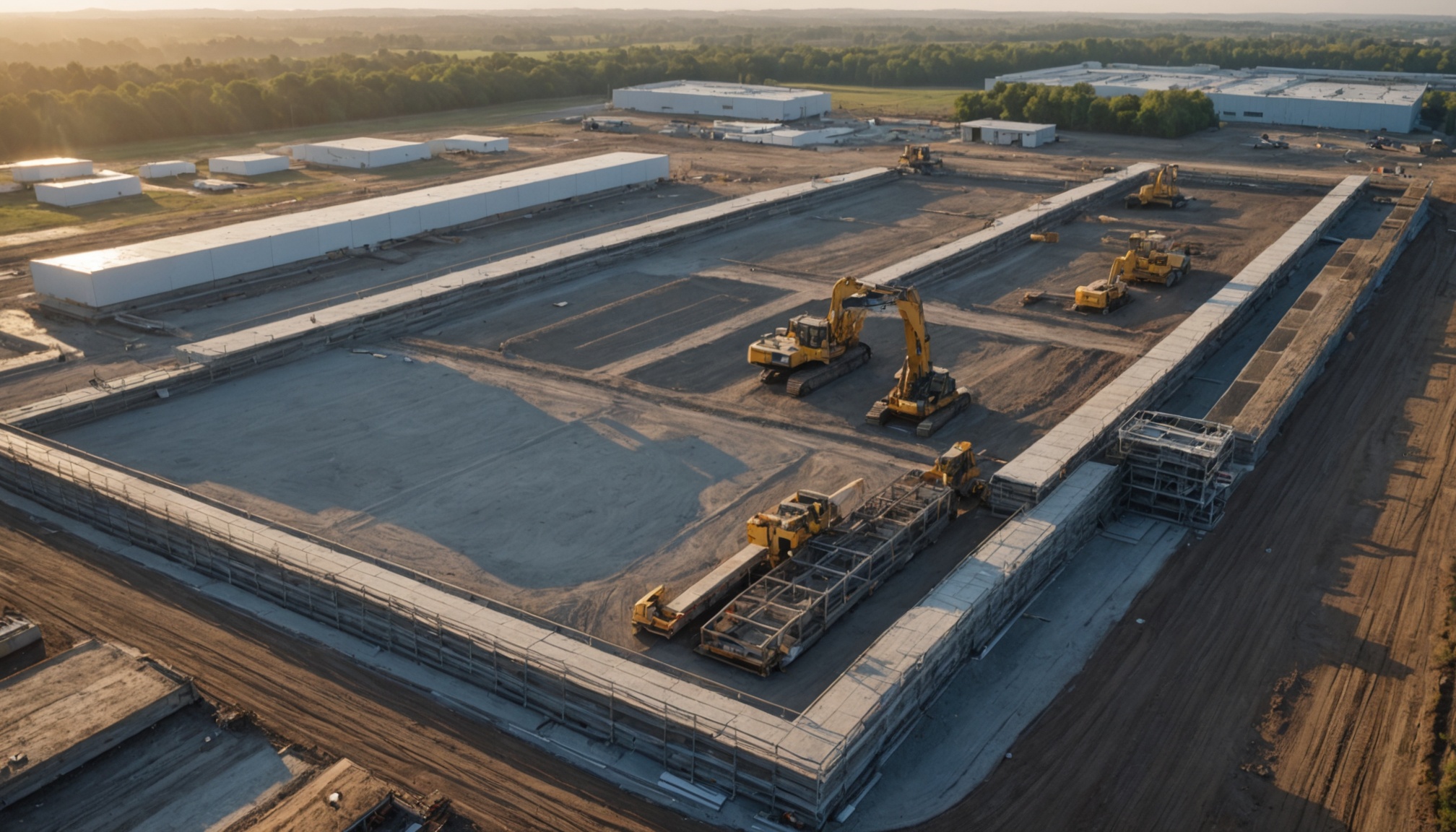
Amazon's AWS division is accelerating capital expenditure to expand AI infrastructure and cloud capacity, signaling confidence in sustained demand from enterprise customers adopting generative AI workloads. The spending surge reflects a strategic bet that AI-driven cloud services will remain a growth engine, even as margins compress in the near term. This capital intensity mirrors broader industry dynamics where cloud providers are racing to build GPU-backed capacity faster than competitors, making infrastructure investment a competitive moat in the AI era.
Modelwire’s AI-generated summary of coverage from TechCrunch - AI.
Modelwire analysis
Analyst takeOur AI-generated reading of the wider context and the next developments to watch.
The more pointed question buried in the capex headline is whether AWS is spending to meet demand that already exists or to manufacture demand that hasn't fully materialized yet. Those two scenarios carry very different risk profiles for investors and for the enterprise customers being courted into long-term AI workload commitments.
This is largely disconnected from recent activity in our archive, as Modelwire has no prior coverage to anchor against here. That said, this story belongs to a well-defined competitive thread playing out across all three hyperscalers: Microsoft Azure, Google Cloud, and AWS are each treating GPU-backed infrastructure as a structural barrier to entry rather than a temporary advantage. The logic is that whoever builds capacity first captures the enterprise contracts, and those contracts then justify further spending. The risk in that loop is that it assumes AI workload adoption among enterprises scales fast enough to absorb the supply being built, which remains an open empirical question.
Watch AWS's operating margin trajectory over the next two quarters. If margins stabilize or recover while revenue growth holds above 20 percent year-over-year, the spending is tracking real demand. If margins compress further without a corresponding acceleration in revenue, the capex bet is running ahead of actual enterprise adoption.
This interpretation is generated from the summary above and available source metadata. Our methodology · Report an error
MentionsAmazon · AWS
How this coverage is produced
Modelwire uses AI to generate summaries and context from source headlines, snippets, and selected archive coverage. Automated checks do not verify every claim, and items are not routinely reviewed by a person before publication. Zacaria Solis operates the site. Read the linked source for the full evidence and report errors through our corrections process.
Modelwire summarizes, we don’t republish. The full content lives on techcrunch.com. If you’re a publisher and want a different summarization policy for your work, see our takedown page.