Amazon's AI data center power plant emerges as top U.S. pollution source
Source published ·Modelwire updated
Original coverage: TechCrunch - AI ↗·How Modelwire adds context
The development
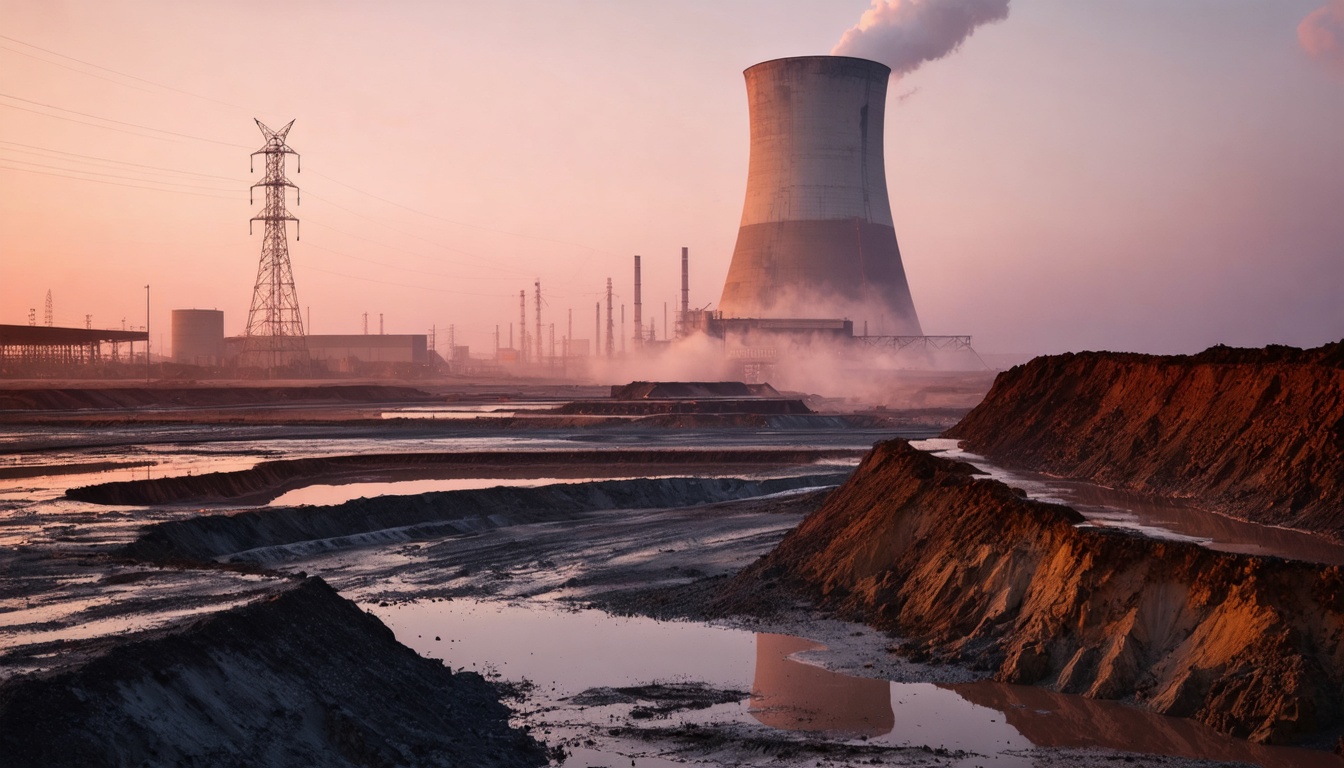
Amazon's Texas data center expansion reveals the infrastructure cost of scaling AI workloads at hyperscale. The planned on-site power plant would rank among America's largest single pollution sources, underscoring a critical tension in AI deployment: massive computational demand requires proportional energy infrastructure, often fossil-fuel dependent. This development signals how AI's resource hunger is reshaping energy policy and corporate sustainability commitments, forcing a reckoning between model scaling ambitions and climate impact that extends beyond software engineering into physical infrastructure planning.
Modelwire’s AI-generated summary of coverage from TechCrunch - AI.
Modelwire analysis
Analyst takeOur AI-generated reading of the wider context and the next developments to watch.
The buried detail here isn't the pollution ranking itself but the precedent it sets: Amazon is effectively externalizing the carbon cost of AI compute onto a regional grid and atmosphere, while simultaneously signing open-weight advocacy letters that frame AI expansion as a public good. That contradiction deserves more scrutiny than the headline gives it.
Amazon's infrastructure posture here sits in direct tension with its public positioning. In early August, Amazon was among the signatories of the open-weight advocacy letter covered in Simon Willison's piece on open letters about AI development, where the company aligned itself with narratives around AI as an American competitiveness asset. A data center that could become the country's largest single pollution source complicates that framing considerably. Meanwhile, the Alibaba Qwen3.8-Max coverage from the same week illustrates why the compute arms race isn't slowing: as frontier models scale to 2.4 trillion parameters targeting long-horizon tasks, the energy demand curve steepens with each generation. The GlobalFoundries photonics investment signals that policymakers are beginning to treat AI infrastructure as a national priority, but the environmental cost accounting hasn't caught up to that framing.
Watch whether Texas regulators attach emissions conditions to the permitting process for the on-site power plant in the next six months. If they do not, it signals that state-level energy policy is effectively deferring to hyperscaler demand without environmental guardrails, which would set a replicable template for similar projects in other low-regulation states.
This interpretation is generated from the summary above and available source metadata. Our methodology · Report an error
MentionsAmazon · Texas
How this coverage is produced
Modelwire uses AI to generate summaries and context from source headlines, snippets, and selected archive coverage. Automated checks do not verify every claim, and items are not routinely reviewed by a person before publication. Zacaria Solis operates the site. Read the linked source for the full evidence and report errors through our corrections process.
Modelwire summarizes, we don’t republish. TechCrunch - AI originally reported this story as “Planned Amazon data center could become the biggest climate polluter in the U.S.”. The full content lives on techcrunch.com. If you’re a publisher and want a different summarization policy for your work, see our takedown page.