Anthropic and OpenAI expand model lineups, forcing enterprises into multi-vendor strategies
Source published ·Modelwire updated
Original coverage: AI Business ↗·How Modelwire adds context
The development
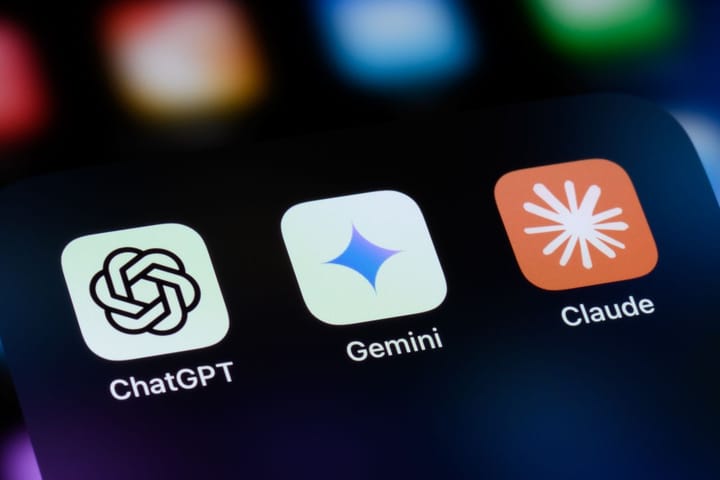
Both Anthropic and OpenAI are broadening their model portfolios to serve distinct enterprise workloads, signaling a shift away from single-model strategies. This fragmentation creates operational complexity for organizations managing multiple AI systems across different tasks, forcing teams to develop new governance and integration patterns. The move reflects maturing market dynamics where no single model excels uniformly, pushing enterprises toward heterogeneous AI stacks and raising questions about cost, latency, and vendor lock-in at scale.
Modelwire’s AI-generated summary of coverage from AI Business.
Modelwire analysis
Analyst takeOur AI-generated reading of the wider context and the next developments to watch.
The real story isn't that multiple models exist; it's that Anthropic and OpenAI are now explicitly designing for it. Both are moving away from the unified-platform narrative that dominated 2025-2026, betting instead that enterprises will accept operational complexity in exchange for task-specific performance.
This directly inverts Google's strategy from earlier this month. Gemini 3.8's text-to-speech push was framed around consolidation, positioning Google as the single hub where enterprises could avoid vendor fragmentation. Anthropic and OpenAI's multi-model launches signal they've decided the opposite bet wins: that best-of-breed beats one-stop-shop for serious workloads. The tension between these two approaches will determine whether enterprise AI stacks converge or splinter over the next 18 months.
If a major enterprise (Fortune 500 or equivalent) publicly commits to a heterogeneous stack (mixing Anthropic, OpenAI, and Google models) within the next six months, that validates the fragmentation thesis. Conversely, if procurement consolidates around a single vendor's multi-model offering by Q2 2027, Google's bet was right and these launches are tactical positioning within a consolidating market.
This interpretation is generated from the summary above and the archive coverage cited below. Our methodology · Report an error
Coverage behind this analysis
These archive entries ground the connection in our analysis. They are ordered by source publication date, with links to our coverage and the original sources.
·AI Business
Google consolidates enterprise AI around Gemini platform with voice expansion
Google's Gemini 3.8 text-to-speech update signals the company's push to consolidate enterprise AI infrastructure around a unified platform. Rather than isolated capability improvements, the release reflects a strategic shift toward positioning Gemini as a comprehensive hub where organizations can access multiple model types and modalities without vendor fragmentation. For enterprises evaluating AI stacks, this matters…
MentionsAnthropic · OpenAI
How this coverage is produced
Modelwire uses AI to generate summaries and context from source headlines, snippets, and selected archive coverage. Automated checks do not verify every claim, and items are not routinely reviewed by a person before publication. Zacaria Solis operates the site. Read the linked source for the full evidence and report errors through our corrections process.
Modelwire summarizes, we don’t republish. AI Business originally reported this story as “Anthropic, OpenAI launches show shift toward multi-model enterprise AI”. The full content lives on aibusiness.com. If you’re a publisher and want a different summarization policy for your work, see our takedown page.