ASML secures foundry alignment on photomask upgrade as China pursues lithography independence
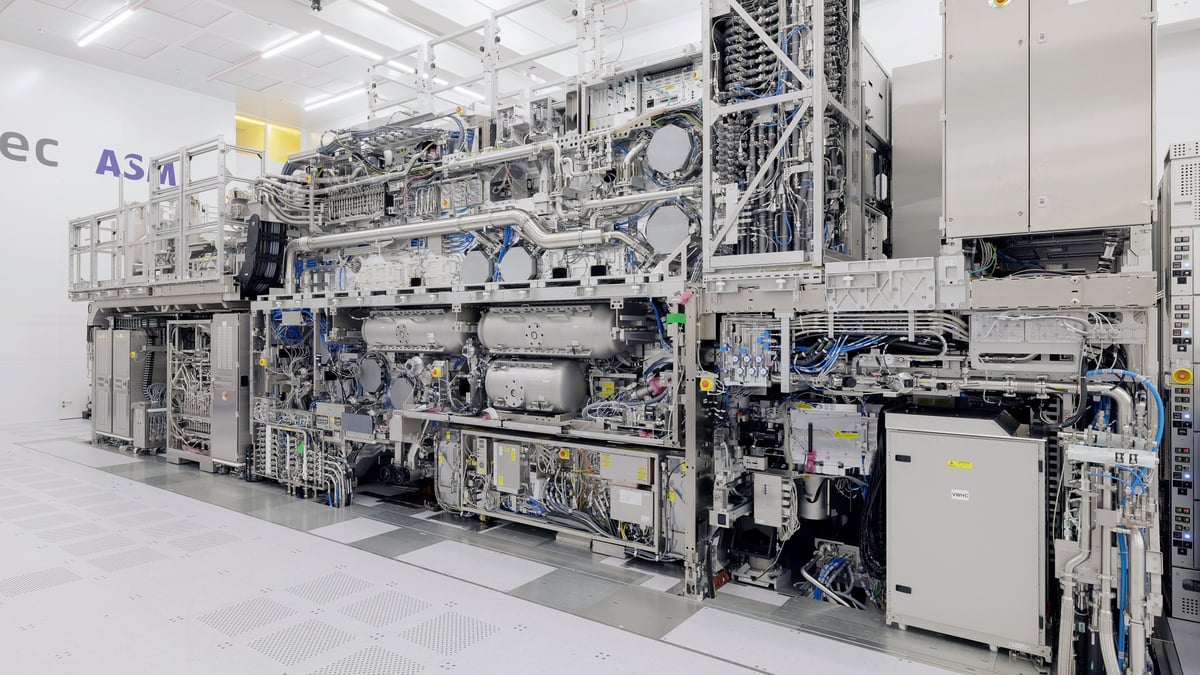
ASML's adoption of larger photomasks by TSMC, Samsung, and Intel represents a critical infrastructure upgrade for AI chip production, promising 40 percent throughput gains on extreme ultraviolet lithography systems. This standardization locks in the world's leading foundries on Dutch technology precisely as China accelerates its counter-strategy through Huawei and domestic supplier Yuliangsheng. The shift underscores how semiconductor manufacturing capacity remains the binding constraint on AI scaling, and how geopolitical fragmentation is forcing parallel supply chains that will reshape chip availability and AI model deployment timelines globally.
Modelwire context
Analyst takeThe 40 percent throughput figure gets the headlines, but the more durable story is the contractual and tooling lock-in that comes with photomask standardization. Once TSMC, Samsung, and Intel retool their fabs around the new format, switching costs become prohibitive for at least a decade, which is the actual strategic prize for ASML.
The binding constraint here is physical manufacturing capacity, and that constraint runs directly upstream of everything else we have been tracking. The Patagonia datacenter piece from The Decoder (also September 8) captures one side of the infrastructure race, where labs are hunting for power and land. This story covers the other side: whether the chips those datacenters need can actually be produced at scale. A fragmented supply chain, with one EUV roadmap for the West and a slower domestic alternative for China, means AI model deployment timelines will increasingly diverge by geography, not just by lab budget.
Watch whether Yuliangsheng secures a second major Chinese foundry customer within the next 12 months. If it does, that signals China's parallel photomask supply chain has crossed a viability threshold; if TSMC and Samsung remain the only takers for the new ASML format through 2027, the lock-in thesis holds and the capability gap widens faster than most forecasts assume.
Coverage we drew on
This analysis is generated by Modelwire’s editorial layer from our archive and the summary above. It is not a substitute for the original reporting. How we write it.
MentionsASML · TSMC · Samsung · Intel · Huawei · Yuliangsheng
Modelwire Editorial
This synthesis and analysis was prepared by the Modelwire editorial team. We use advanced language models to read, ground, and connect the day’s most significant AI developments, providing original strategic context that helps practitioners and leaders stay ahead of the frontier.
Modelwire summarizes, we don’t republish. The Decoder originally reported this story as “ASML locks in TSMC, Samsung, and Intel while Huawei races to break its grip”. The full content lives on the-decoder.com. If you’re a publisher and want a different summarization policy for your work, see our takedown page.