Aurora’s Chris Urmson on why self-driving trucks are finally ready to scale
Source published ·Modelwire updated
Original coverage: TechCrunch - AI ↗·How Modelwire adds context
The development
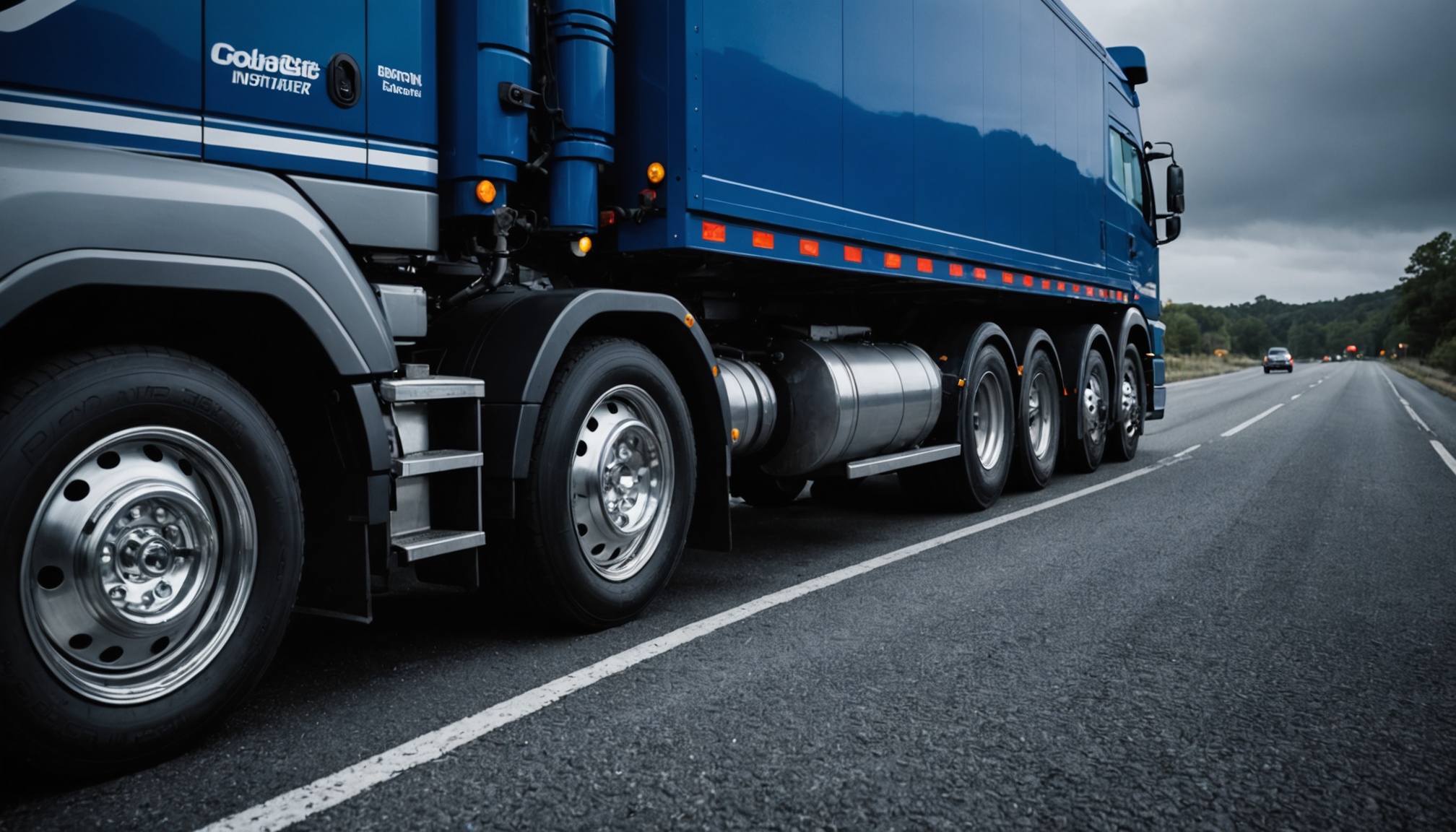
Aurora has moved self-driving trucks from pilot phase to commercial scaling, expanding operations from a handful of vehicles to hundreds in 2026. This represents a critical inflection point for autonomous systems in logistics: the company is demonstrating that end-to-end learning and real-world deployment can achieve viability at scale, not just in controlled corridors. For the broader AI industry, Aurora's transition signals that embodied AI systems trained on production data can graduate from research to revenue-generating infrastructure, validating years of investment in perception, planning, and safety-critical decision-making outside the lab.
Modelwire’s AI-generated summary of coverage from TechCrunch - AI.
Modelwire analysis
Analyst takeOur AI-generated reading of the wider context and the next developments to watch.
The headline frames this as Aurora's moment, but the more consequential question is what 'hundreds of vehicles' actually means for the freight carriers and shippers who signed long-term contracts during the pilot phase. Those agreements were priced under pilot-era risk assumptions, and renegotiation leverage shifts considerably once Aurora can demonstrate consistent uptime at scale.
This connects directly to two threads we've been tracking. The AI Business piece from early May on infrastructure bottlenecks ('AI Demand Is Outpacing the Scaffolding to Support It') identified operational systems as the real constraint on AI ROI, and Aurora's scaling push will stress-test exactly that: dispatch software, maintenance workflows, and regulatory compliance pipelines were not built for fleets of autonomous trucks. Separately, Meta's acquisition of Assured Robot Intelligence, which we covered on May 2nd, reflects the same underlying thesis: as foundation models mature, the competitive advantage moves to real-world deployment and hardware-software integration. Aurora is essentially proving or disproving that thesis in the highest-stakes physical environment available.
Watch whether Aurora publishes per-mile incident and intervention rates for the expanded fleet within the next two quarters. If those numbers hold at or below their pilot-phase figures as the fleet scales past 200 vehicles, the unit economics case becomes hard to dispute; if they degrade, it signals that edge-case handling was being managed by human oversight the company hasn't yet replaced.
This interpretation is generated from the summary above and the archive coverage cited below. Our methodology · Report an error
Coverage behind this analysis
These archive entries ground the connection in our analysis. They are ordered by source publication date, with links to our coverage and the original sources.
·AI Business
AI Demand Is Outpacing the Scaffolding to Support It
The infrastructure underpinning AI deployment is becoming a critical bottleneck as enterprise adoption accelerates. Data center capacity, governance frameworks, and operational systems designed for earlier-stage AI rollouts are straining under production-scale demand. This gap between capability availability and deployment readiness is reshaping vendor priorities and forcing enterprises to reckon with hidden costs beyond model licensing.…
MentionsAurora · Chris Urmson · TechCrunch
How this coverage is produced
Modelwire uses AI to generate summaries and context from source headlines, snippets, and selected archive coverage. Automated checks do not verify every claim, and items are not routinely reviewed by a person before publication. Zacaria Solis operates the site. Read the linked source for the full evidence and report errors through our corrections process.
Modelwire summarizes, we don’t republish. The full content lives on techcrunch.com. If you’re a publisher and want a different summarization policy for your work, see our takedown page.