Beijing bans custom AI companions on ByteDance and Alibaba platforms
Source published ·Modelwire updated
Original coverage: The Decoder ↗·How Modelwire adds context
The development
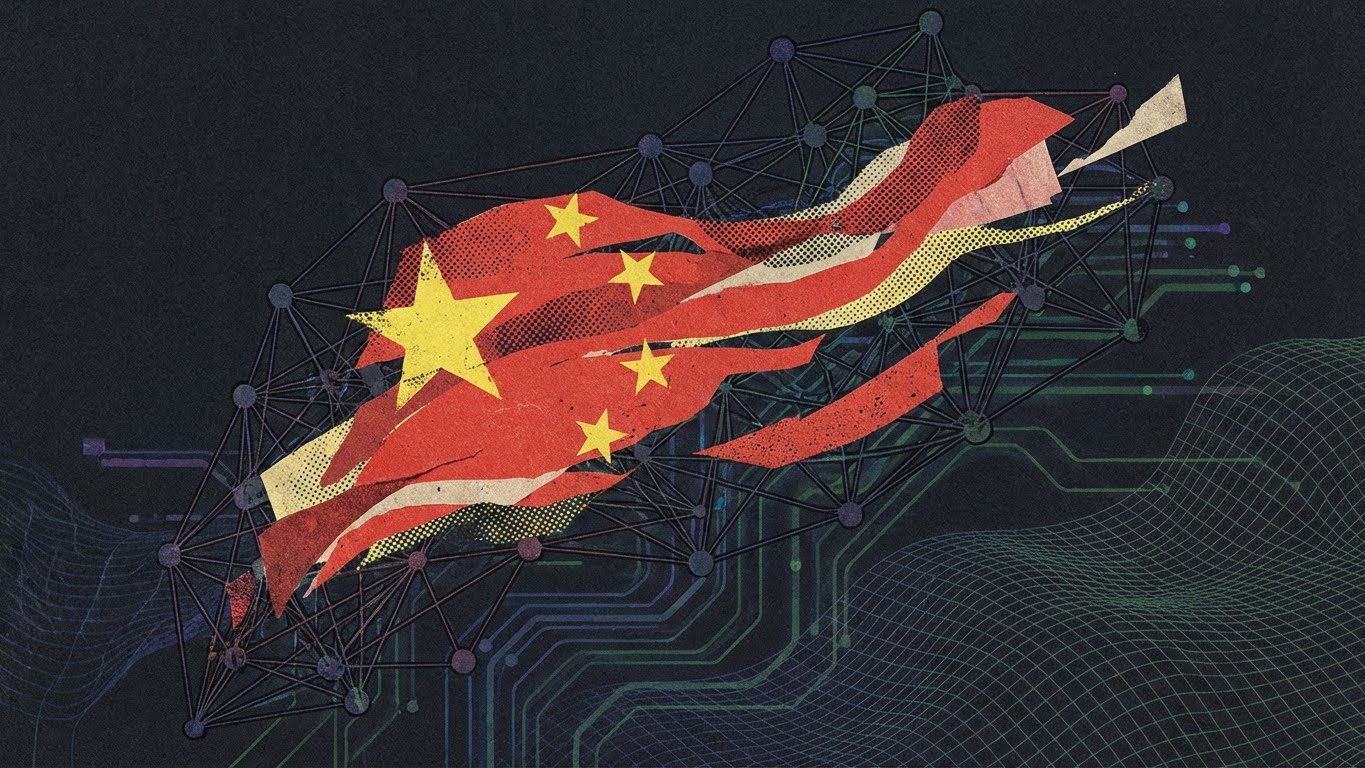
Beijing's regulatory crackdown on custom AI companion features marks a significant shift in how China governs conversational AI. ByteDance and Alibaba, the country's largest platforms, are now prohibited from offering personalized chatbot personas, signaling tighter state control over AI interaction models. This move reflects growing concern about unmoderated user-generated AI content and emotional attachment to synthetic entities. The policy constrains a major consumer use case for LLMs in one of the world's largest AI markets, potentially reshaping product strategy for Chinese vendors and setting a precedent for how governments can restrict specific AI capabilities rather than banning platforms outright.
Modelwire’s AI-generated summary of coverage from The Decoder.
Modelwire analysis
Analyst takeOur AI-generated reading of the wider context and the next developments to watch.
The ban targets a specific capability layer, not platforms wholesale, which is the more consequential detail. Beijing is effectively writing product specs by exclusion, a form of regulatory intervention that constrains feature differentiation without touching underlying model development or deployment.
This connects directly to the Platformer piece from early July on why the tech industry can't keep up with AI backlash. That story framed the core tension as capability deployment outpacing harm mitigation, and China's move is one answer to that structural lag: preemptive feature prohibition rather than post-hoc remediation. It also sits alongside the arXiv paper on behavior-adaptive conversational agents, which argued that dynamic personality frameworks improve user outcomes. Beijing is now foreclosing exactly that design space for its largest platforms, regardless of what the research says about efficacy. The irony is that Chinese vendors were arguably ahead on companion AI as a consumer product category, and this regulation may push that experimentation offshore or underground rather than eliminating it.
Watch whether ByteDance or Alibaba quietly shift companion AI development to non-Chinese subsidiaries or international product lines within the next two quarters. If they do, the regulation will have displaced the capability rather than suppressed it.
This interpretation is generated from the summary above and the archive coverage cited below. Our methodology · Report an error
Coverage behind this analysis
These archive entries ground the connection in our analysis. They are ordered by source publication date, with links to our coverage and the original sources.
·Platformer
Why the tech industry can't keep up with the AI backlash
The AI industry faces a widening gap between the pace of capability deployment and its ability to mitigate downstream harms. Externalities spanning labor displacement, environmental cost, misinformation, and data provenance are accumulating faster than technical solutions or policy frameworks can address them. This structural lag creates strategic pressure on vendors to either slow rollout cycles,…
MentionsByteDance · Alibaba · China · Beijing
How this coverage is produced
Modelwire uses AI to generate summaries and context from source headlines, snippets, and selected archive coverage. Automated checks do not verify every claim, and items are not routinely reviewed by a person before publication. Zacaria Solis operates the site. Read the linked source for the full evidence and report errors through our corrections process.
Modelwire summarizes, we don’t republish. The Decoder originally reported this story as “China forces its biggest AI platforms to shut down humanlike chatbot personas”. The full content lives on the-decoder.com. If you’re a publisher and want a different summarization policy for your work, see our takedown page.