Bosch, Researchers Develop AI for Humanoid Dexterity
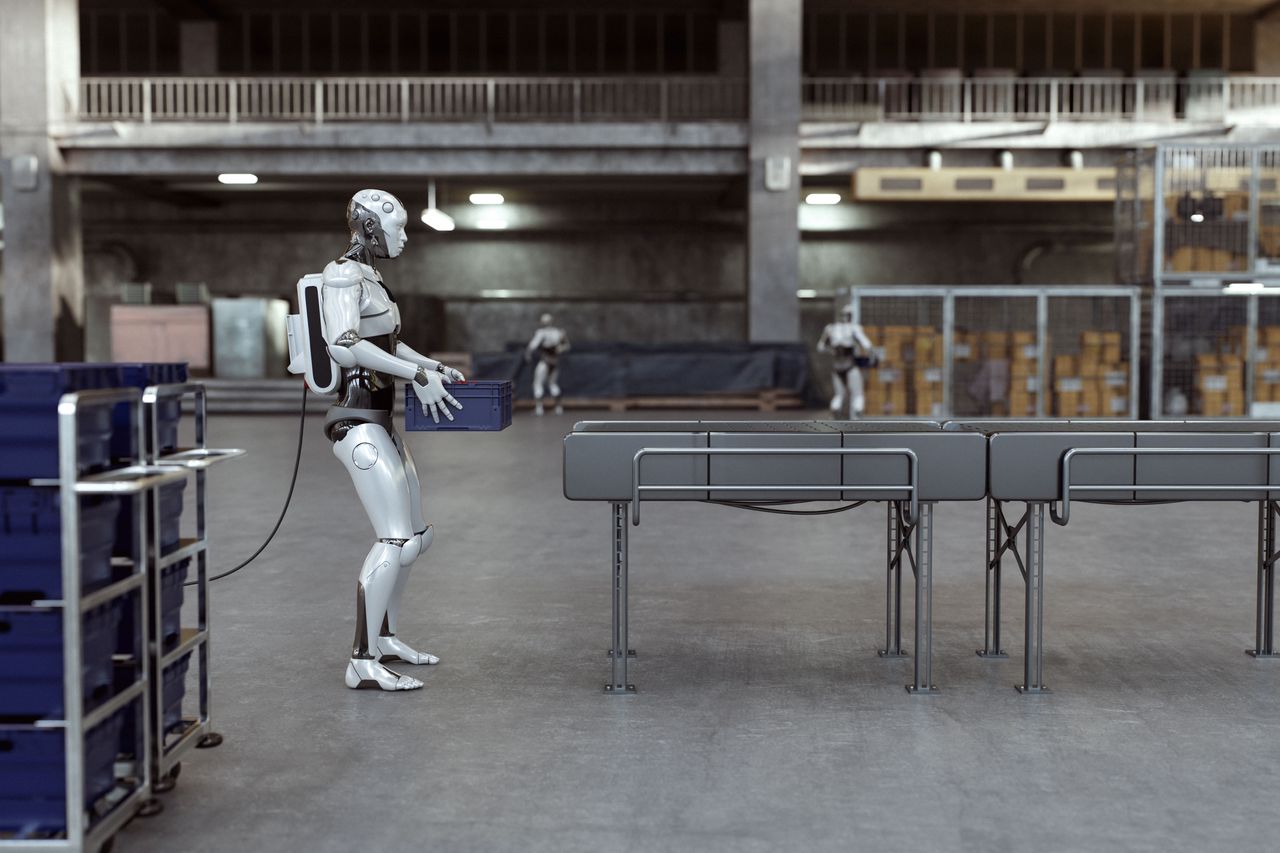
Bosch and research collaborators have introduced a novel training methodology called 'touch dreaming' that dramatically improves robotic manipulation by simulating tactile feedback during model training. The 90.9% success-rate improvement signals a meaningful advance in embodied AI, where physical dexterity has long lagged vision and language capabilities. This bridges a critical gap for industrial automation and suggests that synthetic sensory simulation may unlock humanoid deployment at scale, reshaping expectations for robot labor in manufacturing and logistics.
Modelwire context
ExplainerThe key detail the summary sidesteps is what 'touch dreaming' actually does mechanically: rather than requiring expensive physical contact data collection, the method generates synthetic tactile signals during training, sidestepping one of the most stubborn data bottlenecks in embodied AI. That distinction matters because the cost and fragility of real-world tactile data collection has been the practical ceiling on dexterous manipulation research, not just algorithmic capability.
Recent Modelwire coverage has concentrated heavily on language and reasoning benchmarks, including the IEEE Spectrum report from the same day on OpenAI's clinical reasoning performance against physicians. That story and this one share a structural pattern: a benchmark number doing a lot of persuasive work before deployment conditions are tested. The difference is that robotic manipulation benchmarks are harder to game through training data contamination than text-based evals, which gives the 90.9% figure slightly more credibility on its face. Still, lab manipulation success rates and factory-floor reliability are different problems, and Bosch has not yet published deployment data from production environments.
Watch whether Bosch announces a pilot integration of touch dreaming into an active manufacturing line within the next 12 months. Controlled lab benchmarks on curated object sets are a necessary but insufficient signal; if the methodology holds under the part variation and environmental noise of real industrial settings, that is the confirmation that matters.
Coverage we drew on
- Can AI Chatbots Reason Like Doctors? · IEEE Spectrum - AI
This analysis is generated by Modelwire’s editorial layer from our archive and the summary above. It is not a substitute for the original reporting. How we write it.
MentionsBosch · touch dreaming · humanoid robots
Modelwire Editorial
This synthesis and analysis was prepared by the Modelwire editorial team. We use advanced language models to read, ground, and connect the day’s most significant AI developments, providing original strategic context that helps practitioners and leaders stay ahead of the frontier.
Modelwire summarizes, we don’t republish. The full content lives on aibusiness.com. If you’re a publisher and want a different summarization policy for your work, see our takedown page.