Buckle up: Google is set to remake search with agentic AI in 2026
Source published ·Modelwire updated
Original coverage: Ars Technica - AI ↗·How Modelwire adds context
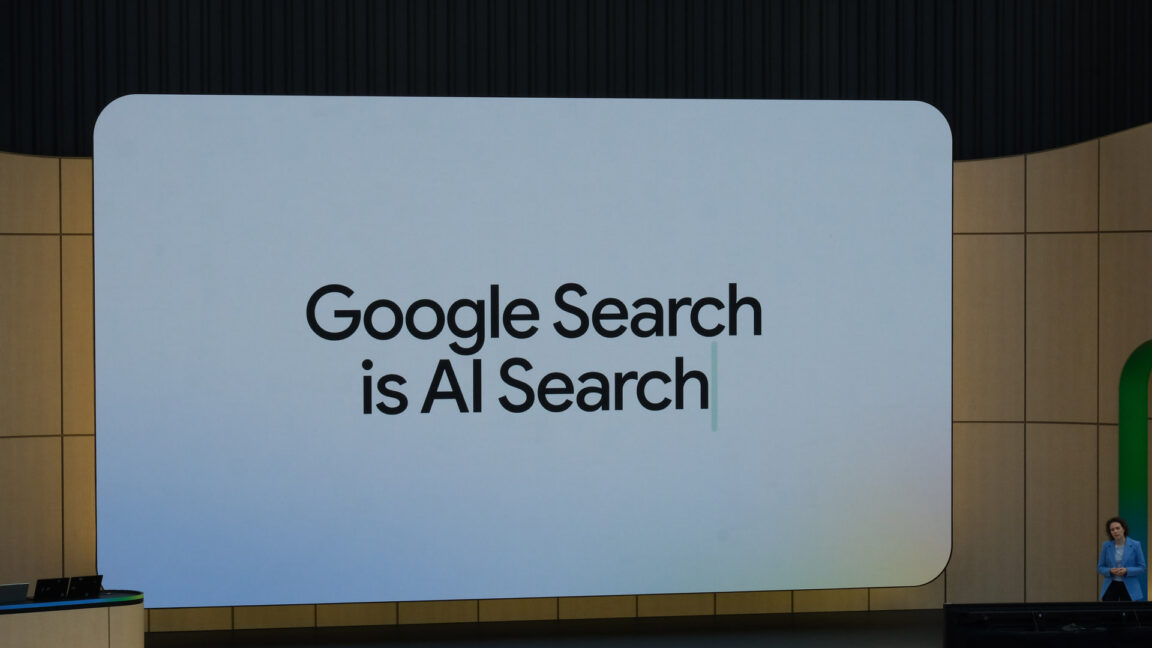
The development
Google is positioning agentic AI as the next inflection point for search, signaling a shift from retrieval-based ranking to autonomous task execution within queries. This move challenges the foundational search paradigm that has defined Google's dominance for two decades, forcing competitors and the broader industry to reckon with AI agents as a primary interface for information discovery. The strategic stakes are enormous: whoever controls agentic search controls the gateway to digital commerce, knowledge access, and user attention in an AI-native world.
Modelwire’s AI-generated summary of coverage from Ars Technica - AI.
Modelwire analysis
Analyst takeOur AI-generated reading of the wider context and the next developments to watch.
The detail most coverage buries is the revenue exposure: search advertising, which still accounts for the majority of Alphabet's income, is structurally threatened when agents complete tasks without surfacing the ranked links that carry ad inventory. Google is essentially announcing a transition that, if successful, cannibalizes its own most profitable product.
Modelwire has no prior coverage to anchor this to directly, so this story sits largely on its own in our archive. More broadly, it belongs to a cluster of competitive dynamics stories around agentic interfaces that have been building across the industry since late 2024, with OpenAI, Perplexity, and Microsoft all staking positions on agent-first query handling before Google made this formal commitment. Google is not first here, which matters when reading the I/O framing.
Watch whether Google discloses click-through and ad-load metrics for agentic search results within the next two earnings cycles. If those numbers stay hidden while agent adoption figures get promoted, that is a strong signal the revenue substitution problem is worse than the announcement implies.
This interpretation is generated from the summary above and available source metadata. Our methodology · Report an error
MentionsGoogle · Google I/O 2026 · Agentic AI
How this coverage is produced
Modelwire uses AI to generate summaries and context from source headlines, snippets, and selected archive coverage. Automated checks do not verify every claim, and items are not routinely reviewed by a person before publication. Zacaria Solis operates the site. Read the linked source for the full evidence and report errors through our corrections process.
Modelwire summarizes, we don’t republish. The full content lives on arstechnica.com. If you’re a publisher and want a different summarization policy for your work, see our takedown page.