Carbon-Taxed Transformers: A Green Compression Pipeline for Overgrown Language Models
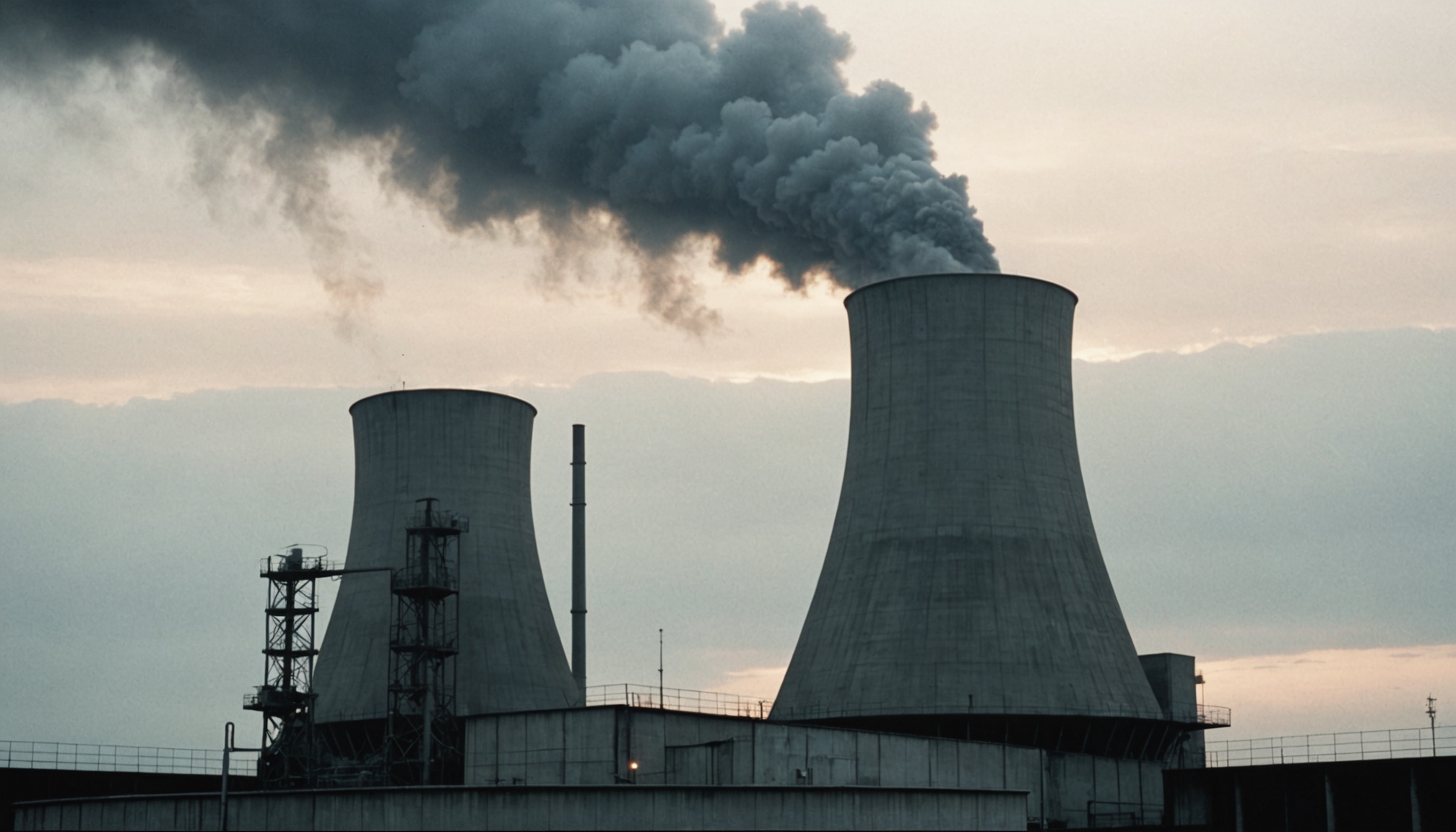
Researchers propose Carbon-Taxed Transformers, a compression pipeline that treats model efficiency and environmental cost as core design objectives rather than afterthoughts. The work signals a maturing recognition within the ML community that LLM deployment sustainability is now a first-order constraint alongside accuracy, particularly for software engineering applications where scale and accessibility matter. This frames a broader shift: as LLMs proliferate into production systems, the economics of training and inference are forcing a reckoning with carbon footprint as a competitive and ethical differentiator.
Modelwire context
Analyst takeThe paper's framing is the real signal: by encoding carbon cost directly into the compression objective rather than reporting it as an audit afterthought, the authors are proposing a new evaluation contract between researchers and deployers. That's a governance argument dressed as an engineering paper.
This sits in a broader cluster of work questioning what the right optimization target actually is during model training and post-training. The Tsallis loss paper covered here on April 28 ('How Fast Should a Model Commit to Supervision') makes a structurally similar move: it argues that the standard loss function encodes the wrong trade-off, and proposes a tunable family to fix it. Carbon-Taxed Transformers does the same thing one abstraction level up, at the pipeline rather than the gradient level. Neither paper is primarily about accuracy; both are about what you're implicitly optimizing for when you think you're just training a model. That convergence suggests a broader methodological shift toward making hidden costs explicit in the objective itself, which has real consequences for how organizations justify infrastructure spend.
Watch whether any major inference provider (Hugging Face, Together AI, Replicate) adopts carbon-weighted compression metrics in their model cards within the next 12 months. Adoption there would confirm this framing is moving from academic proposal to procurement criterion.
Coverage we drew on
This analysis is generated by Modelwire’s editorial layer from our archive and the summary above. It is not a substitute for the original reporting. How we write it.
MentionsCarbon-Taxed Transformers · Large Language Models · Transformers
Modelwire Editorial
This synthesis and analysis was prepared by the Modelwire editorial team. We use advanced language models to read, ground, and connect the day’s most significant AI developments, providing original strategic context that helps practitioners and leaders stay ahead of the frontier.
Modelwire summarizes, we don’t republish. The full content lives on arxiv.org. If you’re a publisher and want a different summarization policy for your work, see our takedown page.