China turns its aging camera network into an AI-powered mass surveillance apparatus
Source published ·Modelwire updated
Original coverage: The Decoder ↗·How Modelwire adds context
The development
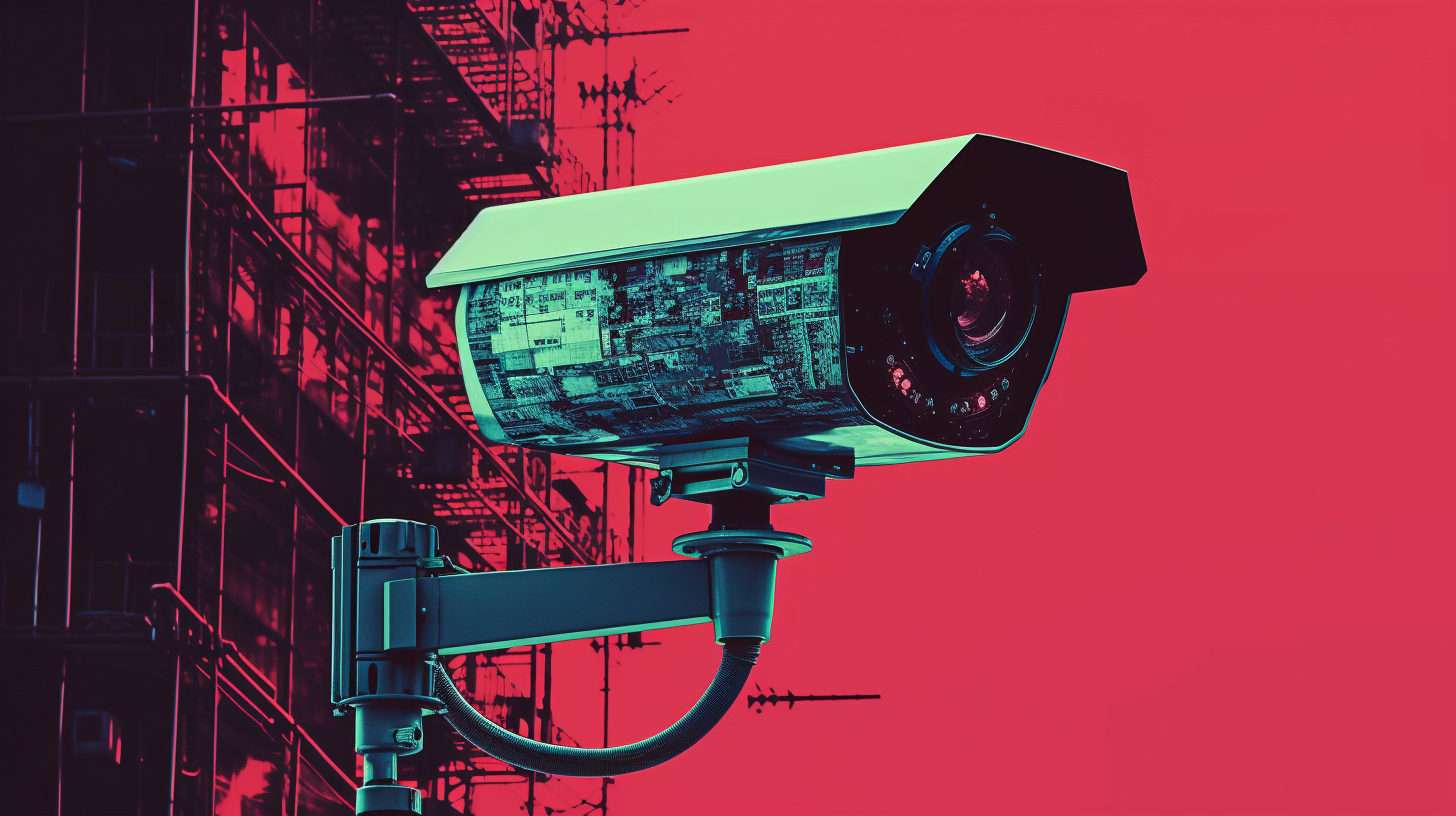
China's police forces are retrofitting millions of legacy surveillance cameras with embedded computer vision and language models, enabling officers to query footage via natural language rather than manual review. Hikvision and Huawei lead the hardware integration, embedding automated crowd detection, behavioral anomaly flagging, and access-control monitoring directly into camera firmware. This represents a structural shift in surveillance infrastructure: the deployment moves AI inference from centralized servers to distributed edge devices, reducing latency and creating a persistent, queryable behavioral database across urban environments. Human Rights Watch flags the civil liberties implications, but the technical milestone matters for AI practitioners: this is mass-scale computer vision operationalization in a high-stakes domain, demonstrating how vision models and LLMs are converging in real-world enforcement systems.
Modelwire’s AI-generated summary of coverage from The Decoder.
Modelwire analysis
Analyst takeOur AI-generated reading of the wider context and the next developments to watch.
The architectural detail worth sitting with is the shift of inference to the edge itself. This isn't China adding AI dashboards on top of existing feeds; it's embedding model execution into camera firmware, which means the surveillance layer becomes self-contained and far harder to audit or intercept at a network level.
The normalization pattern here rhymes directly with what we covered in the BusPatrol thread inside the 'Podcast: How Deepfakes Destroyed a High School' story from 404 Media. That piece flagged how AI-powered camera systems paired with law enforcement data sharing were already embedding automated monitoring into spaces designed for minors, with minimal consent frameworks. China's rollout is a more extreme version of the same structural move: surveillance infrastructure built for one stated purpose quietly acquiring capabilities that exceed its original mandate. The difference is scale and the absence of even nominal regulatory friction. Both cases show that the meaningful policy window is at the hardware procurement stage, not after deployment.
Watch whether the EU's AI Act enforcement body issues specific guidance on imported edge-inference hardware from Hikvision or Huawei within the next 12 months. If it does not, that signals the Act's high-risk classification regime has no practical teeth at the component level.
This interpretation is generated from the summary above and available source metadata. Our methodology · Report an error
MentionsHikvision · Huawei · Human Rights Watch · China Police
How this coverage is produced
Modelwire uses AI to generate summaries and context from source headlines, snippets, and selected archive coverage. Automated checks do not verify every claim, and items are not routinely reviewed by a person before publication. Zacaria Solis operates the site. Read the linked source for the full evidence and report errors through our corrections process.
Modelwire summarizes, we don’t republish. The full content lives on the-decoder.com. If you’re a publisher and want a different summarization policy for your work, see our takedown page.