Chinese firms claim majority of humanoid robotics patents
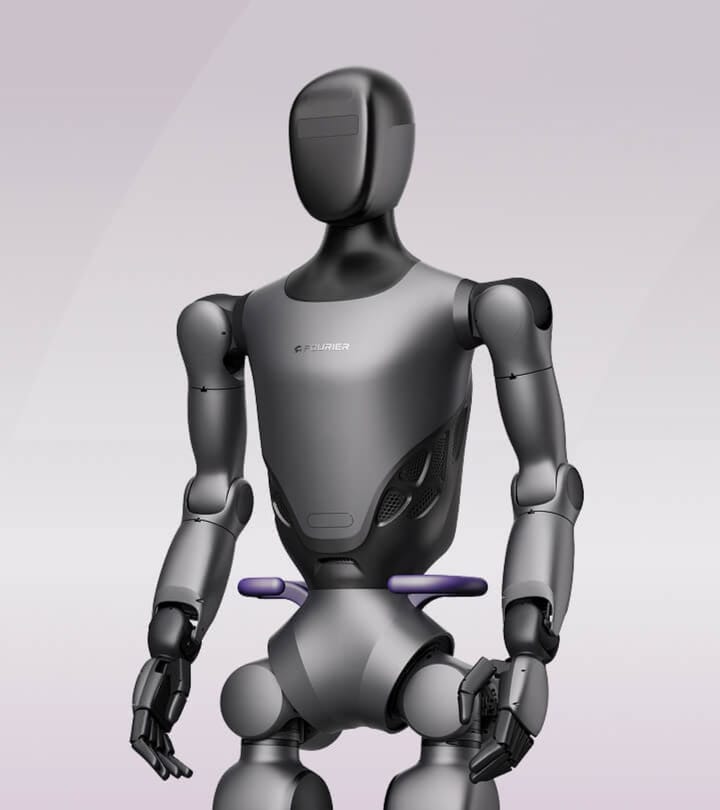
China's robotics sector is consolidating intellectual property leadership in humanoid systems, according to LexisNexis patent analysis. This shift signals accelerating competition in embodied AI outside Western incumbents, with implications for hardware-software integration timelines and supply-chain positioning. The patent concentration reflects sustained R&D investment and suggests Chinese firms are moving beyond imitation into proprietary mechanical and control architectures. For AI infrastructure investors and robotics integrators, this marks a strategic inflection: the race for humanoid deployment is no longer dominated by a handful of US-based labs.
Modelwire context
Analyst takeThe LexisNexis data doesn't clarify whether Chinese firms are filing more patents overall or simply winning a larger share of humanoid-specific claims. The distinction matters: volume growth signals genuine R&D acceleration, while share concentration could reflect Western labs deprioritizing humanoid hardware in favor of software-only approaches.
This connects directly to the Okta acquisition of Permiso last week. Both stories track the same underlying shift: non-human actors (robots, AI agents, autonomous systems) are proliferating faster than the incumbent infrastructure vendors can adapt. Okta moved to secure identity threat detection for AI workloads because the gap was widening. Similarly, Chinese robotics firms are consolidating IP precisely because Western security and deployment frameworks assume human-centric control loops. The patent lead compounds the infrastructure gap. If Chinese firms reach production-scale humanoid deployment first, Western enterprises will inherit robots designed around architectures their identity and security stacks weren't built to manage.
Monitor whether any of the top Chinese patent filers (Unitree, Boston Dynamics' competitors, or state-backed labs) announce commercial deployment partnerships with non-Chinese enterprises in the next 18 months. If they do, that signals the patent advantage is translating into actual market access, not just IP hoarding. If deployment remains China-domestic, the patent lead is real but geopolitically contained.
This analysis is generated by Modelwire’s editorial layer from our archive and the summary above. It is not a substitute for the original reporting. How we write it.
MentionsLexisNexis · China
Modelwire Editorial
This synthesis and analysis was prepared by the Modelwire editorial team. We use advanced language models to read, ground, and connect the day’s most significant AI developments, providing original strategic context that helps practitioners and leaders stay ahead of the frontier.
Modelwire summarizes, we don’t republish. AI Business originally reported this story as “Chinese Startups Dominate Humanoid Robotics Patent Rankings”. The full content lives on aibusiness.com. If you’re a publisher and want a different summarization policy for your work, see our takedown page.