DeepMind's AlphaGenome Atlas maps all human DNA variants for drug discovery
Source published ·Modelwire updated
Original coverage: The Verge - AI ↗·How Modelwire adds context
The development
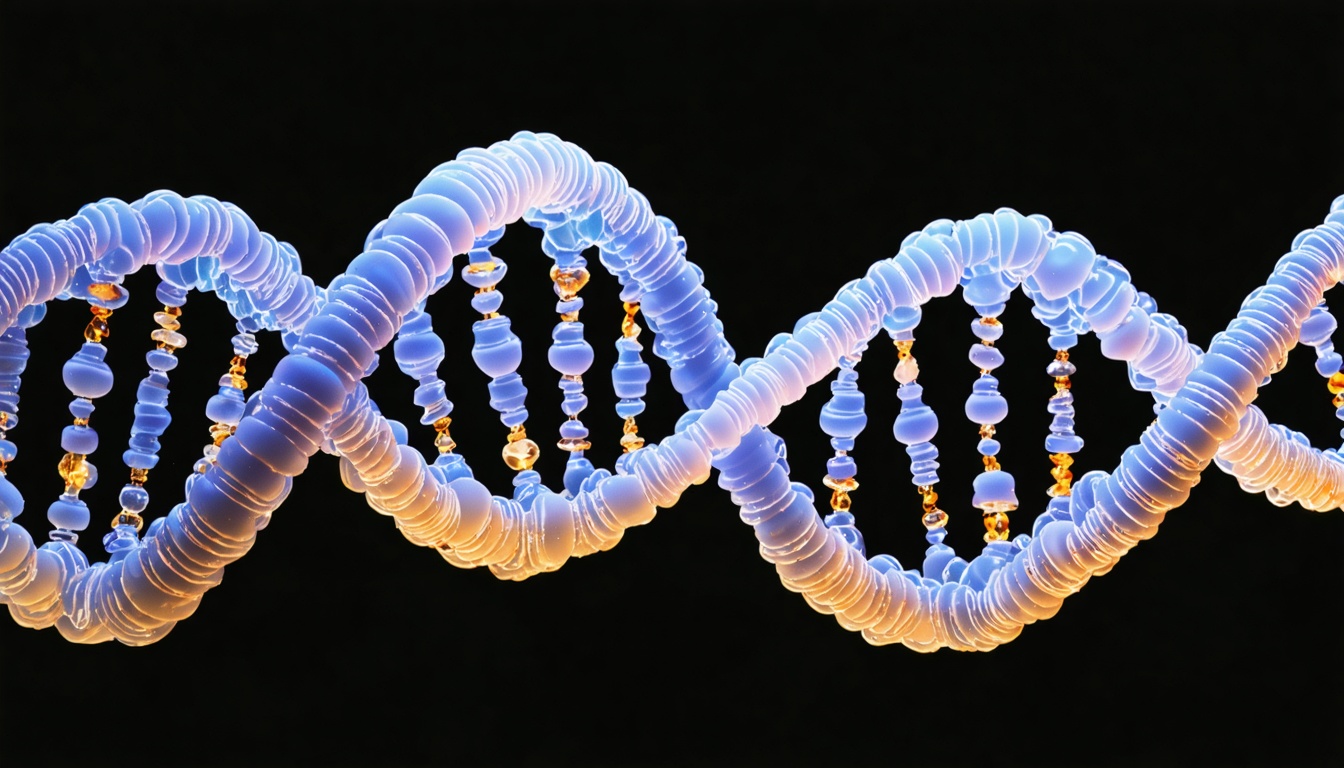
DeepMind's AlphaGenome Atlas represents a significant expansion of AI into structural biology, moving beyond protein folding to map genomic variation at scale. The tool predicts functional consequences across the entire spectrum of possible DNA mutations, potentially accelerating drug discovery and disease research by orders of magnitude. This positions DeepMind's AI infrastructure as foundational to biotech workflows, signaling a shift where large-scale predictive models become essential research infrastructure rather than specialized tools. The capability to model genetic diversity at this resolution could reshape how pharmaceutical companies approach target validation and personalized medicine.
Modelwire’s AI-generated summary of coverage from The Verge - AI.
Modelwire analysis
Analyst takeOur AI-generated reading of the wider context and the next developments to watch.
The coverage largely focuses on what AlphaGenome Atlas predicts, but the more consequential question is who gets access and on what terms. Whether DeepMind releases this as an open research tool, a restricted API, or a commercial product will determine whether it accelerates the field broadly or becomes a proprietary moat.
This lands one week after DeepMind's new chief Koray Kavukcuoglu publicly stated that frontier AI leadership is the only thing that matters (covered here from The Decoder, September 1). AlphaGenome Atlas is the clearest concrete output of that posture: a capability that no competitor has matched at this scale, arriving precisely when the lab needed to demonstrate it could still produce landmark science. The IEEE Spectrum and DeepMind blog coverage from the same day (stories 1 and 2) confirm the 9 billion variant figure is real and peer-reviewed, which separates this from the vague benchmark announcements that often accompany lab positioning moves.
Watch whether major pharma companies or academic consortia announce formal integrations with AlphaGenome Atlas within the next six months. Adoption at that level would confirm the tool is functioning as research infrastructure rather than a demonstration artifact.
This interpretation is generated from the summary above and the archive coverage cited below. Our methodology · Report an error
Coverage behind this analysis
These archive entries ground the connection in our analysis. They are ordered by source publication date, with links to our coverage and the original sources.
·The Decoder
DeepMind chief signals frontier model push after acknowledging capability gap
Google DeepMind's new leadership has signaled a strategic pivot toward reclaiming frontier model dominance, with chief Koray Kavukcuoglu publicly acknowledging the lab currently trails competitors but expressing confidence in near-term repositioning. The statement carries weight as a leadership commitment to prioritize capability races over adjacent AI applications, reshaping internal resource allocation and competitive positioning. However,…
MentionsGoogle DeepMind · AlphaGenome Atlas · AlphaFold
How this coverage is produced
Modelwire uses AI to generate summaries and context from source headlines, snippets, and selected archive coverage. Automated checks do not verify every claim, and items are not routinely reviewed by a person before publication. Zacaria Solis operates the site. Read the linked source for the full evidence and report errors through our corrections process.
Modelwire summarizes, we don’t republish. The Verge - AI originally reported this story as “Google’s Atlas of the human genome could pave the way for new treatments”. The full content lives on theverge.com. If you’re a publisher and want a different summarization policy for your work, see our takedown page.