DHS runs covert predictive policing algorithm targeting drivers
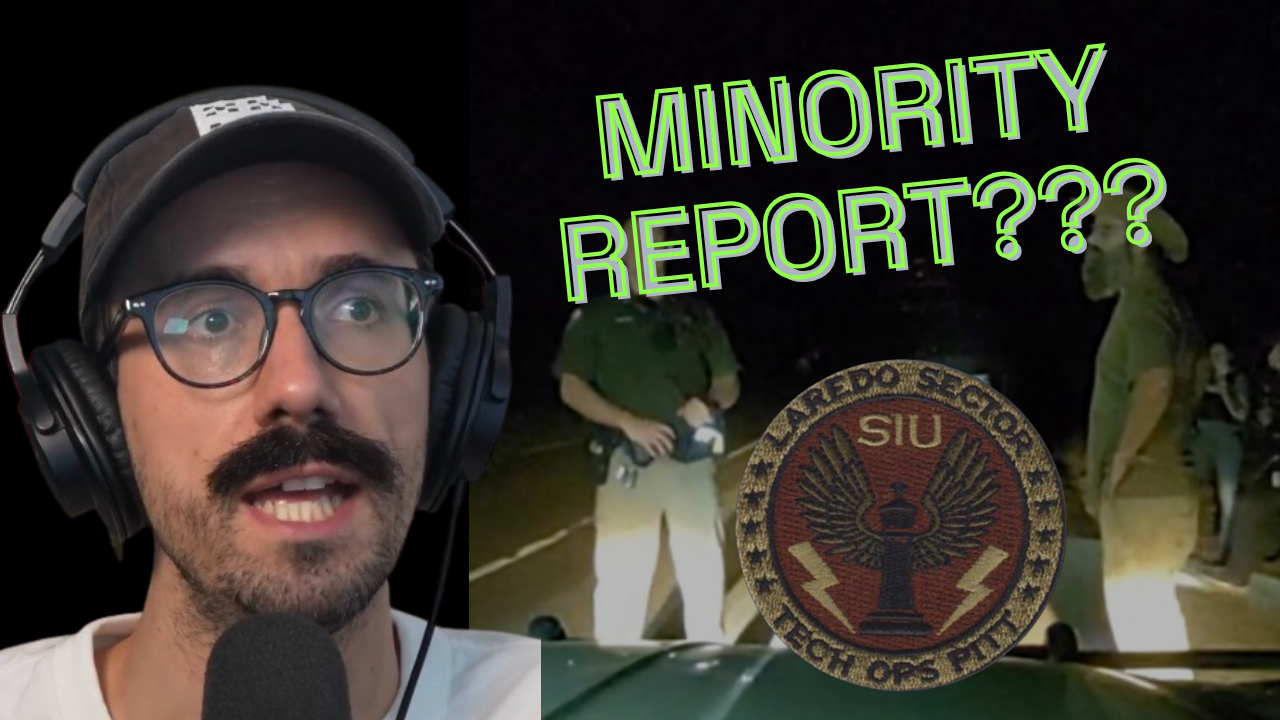
The Department of Homeland Security operates covert algorithmic systems that flag individuals for traffic stops based on predictive models, raising urgent questions about AI deployment in law enforcement without public oversight. The podcast episode surfaces how DHS has embedded machine learning into routine policing operations, creating a feedback loop where algorithmic predictions drive enforcement decisions that then train future models. This represents a critical gap between AI governance rhetoric and operational reality: federal agencies are scaling predictive systems in high-stakes domains while evading transparency requirements that would apply to commercial deployments. The story also highlights emerging adversarial tactics, including clothing designed to confuse computer vision systems, signaling how AI-driven surveillance is spawning counter-measures in real time.
Modelwire context
ExplainerThe detail that deserves more attention than it gets in the summary is the feedback loop problem: when enforcement actions generated by a model become training data for the next model iteration, any initial bias compounds rather than corrects over time, and there is no external audit mechanism currently mandated for federal law enforcement AI to interrupt that cycle.
Modelwire has no prior coverage in its archive that directly connects to this story, so this sits largely outside our tracked threads. The closest intellectual neighborhood is the broader debate over AI governance gaps between commercial and government deployments, a tension that has surfaced repeatedly in coverage of federal AI policy but not yet in our own archive. The counter-measure angle (clothing designed to defeat computer vision) is also an emerging topic in adversarial ML research that we have not yet covered, and it is worth treating as a distinct thread going forward.
Watch whether any congressional oversight committee requests DHS documentation on the model's training data provenance and error rate audits within the next two legislative sessions. If no formal inquiry materializes, that absence itself confirms the accountability gap the story describes.
This analysis is generated by Modelwire’s editorial layer from our archive and the summary above. It is not a substitute for the original reporting. How we write it.
MentionsDepartment of Homeland Security · 404 Media
Modelwire Editorial
This synthesis and analysis was prepared by the Modelwire editorial team. We use advanced language models to read, ground, and connect the day’s most significant AI developments, providing original strategic context that helps practitioners and leaders stay ahead of the frontier.
Modelwire summarizes, we don’t republish. 404 Media originally reported this story as “Podcast: DHS’ Secretive ‘Predictive Policing’ Unit Pulling People Over”. The full content lives on 404media.co. If you’re a publisher and want a different summarization policy for your work, see our takedown page.