Enter Bob, IBM’s Friendly AI Coding Assistant
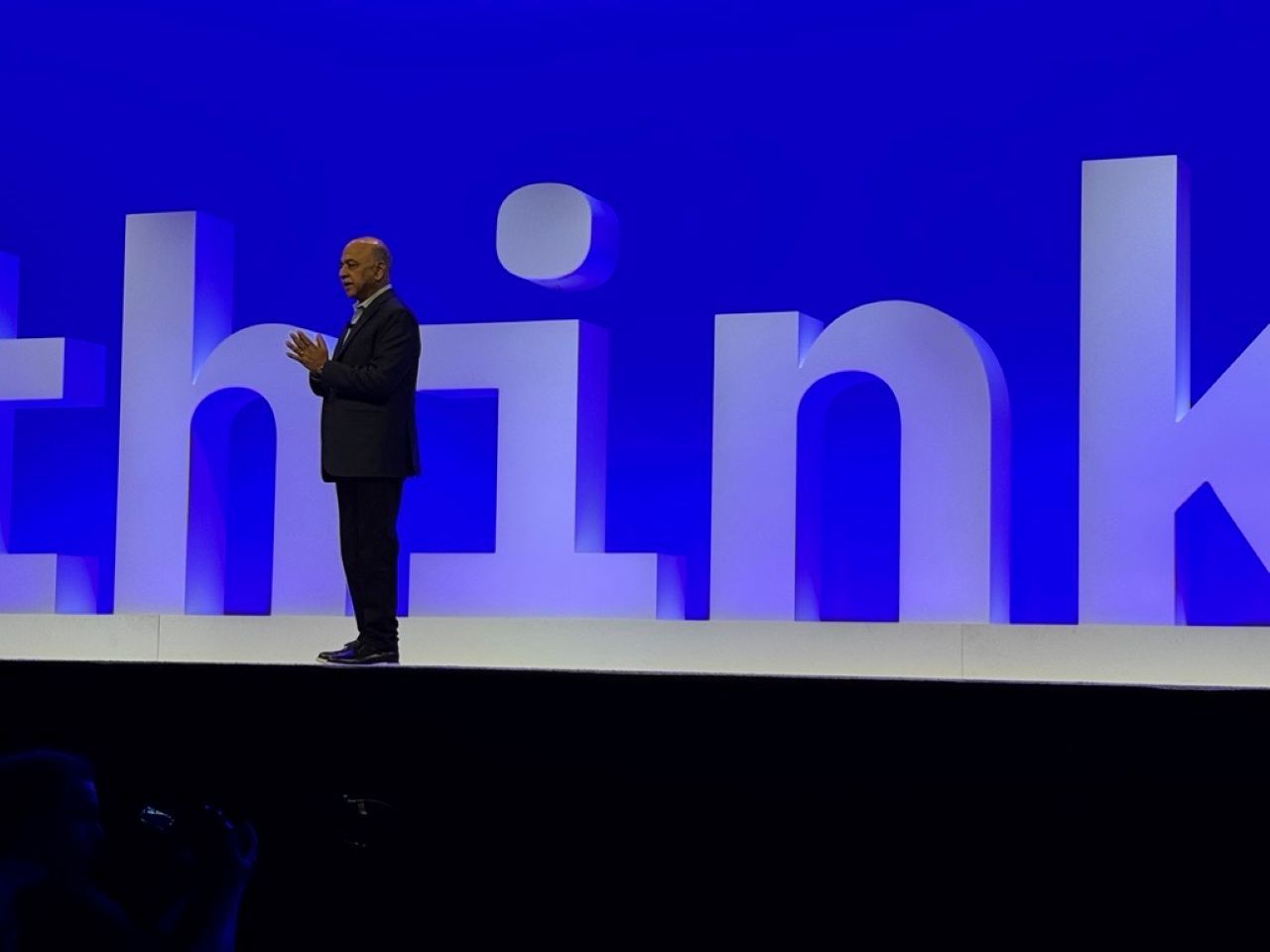
IBM is positioning an AI-assisted coding tool called Bob as a gateway product for enterprises moving into generative AI workflows. The move reflects a broader competitive dynamic where established infrastructure vendors are bundling LLM capabilities into developer platforms to capture mindshare before pure-play AI startups dominate the space. For enterprises already embedded in IBM's software lifecycle ecosystem, Bob lowers friction to adopt coding assistance without rearchitecting toolchains, though the strategic question remains whether IBM can compete on model quality and UX against specialized competitors.
Modelwire context
Analyst takeBob's real value proposition isn't the model quality or UX—it's lock-in. IBM is betting that enterprises already paying for Rational, Jazz, and other lifecycle tools will adopt coding assistance as a bundled feature rather than evaluate best-of-breed alternatives. The question is whether that bundling strategy actually works when developers have strong preferences for competing tools.
This fits directly into the vendor consolidation pattern we've tracked. Microsoft embedded AI legal agents into Word (May 1) and positioned Copilot as an orchestration layer across fragmented tools. OpenAI countered with Codex as a work aggregation platform (May 1). Bob follows the same playbook: take an existing customer base and embed AI assistance at the point of friction. The tension is real though. Microsoft's sneaky commit metadata injection (May 3) revealed developer resistance to opaque AI integration, suggesting that bundling alone won't overcome friction if users feel they've lost control or transparency.
If IBM reports adoption rates for Bob among existing Rational customers within the next two quarters and those rates exceed 40%, the bundling strategy is working. If adoption stalls below 25%, it signals that developers will actively switch tools to avoid vendor lock-in, even when AI assistance is convenient. That outcome would validate the specialist competitor advantage.
Coverage we drew on
This analysis is generated by Modelwire’s editorial layer from our archive and the summary above. It is not a substitute for the original reporting. How we write it.
Modelwire Editorial
This synthesis and analysis was prepared by the Modelwire editorial team. We use advanced language models to read, ground, and connect the day’s most significant AI developments, providing original strategic context that helps practitioners and leaders stay ahead of the frontier.
Modelwire summarizes, we don’t republish. The full content lives on aibusiness.com. If you’re a publisher and want a different summarization policy for your work, see our takedown page.