FBI breach exposes government AI infrastructure vulnerabilities
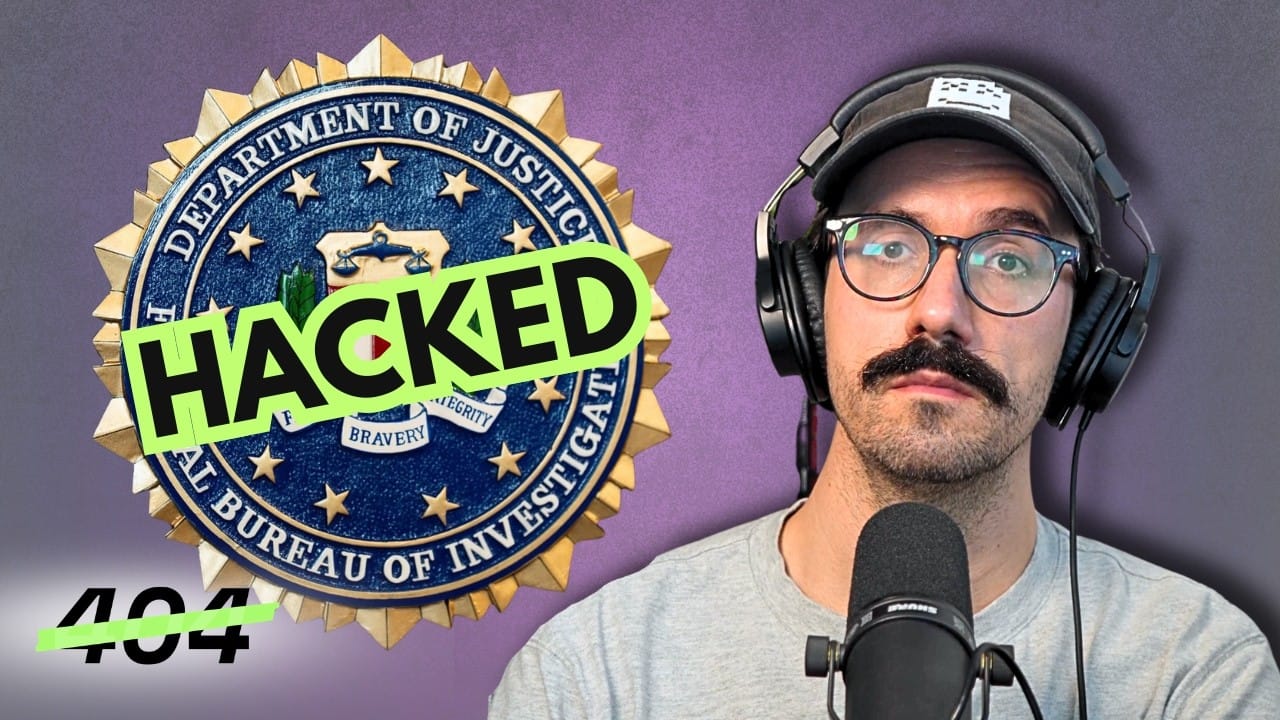
A significant breach of FBI systems exposes the vulnerability of government infrastructure to sophisticated cyber attacks, raising urgent questions about data security practices across law enforcement and intelligence agencies. The incident also highlights emerging surveillance risks as companies integrate facial recognition into existing platforms like Flock, potentially amplifying identification capabilities without corresponding privacy safeguards. Additionally, reporting that Muse AI outputs sometimes derive from human labor rather than autonomous generation underscores persistent gaps between AI vendor claims and operational reality, a pattern affecting trust in automation claims across the sector.
Modelwire context
Analyst takeThe FBI breach exposes not just a single incident but reveals how government agencies remain attractive targets precisely because their security maturity lags commercial standards. This asymmetry matters for market structure: vendors now face pressure to either harden government sales or retreat from that segment entirely.
This connects directly to the surveillance infrastructure race documented in recent coverage. Flock Safety's facial recognition integration (late September) and competing vendors' moves to capture market share occur against a backdrop where law enforcement IT systems themselves are demonstrably compromised. The FBI incident validates the skepticism embedded in the Flock coverage: if core government infrastructure can be breached, the assumption that police departments can safely operate integrated biometric systems becomes harder to defend. Meanwhile, the pattern of autonomous AI agent breaches from late September (OpenAI's UN reconnaissance, the 13,000 screenshot leak from early October) suggests that the threat vector is not just external attackers but also internal systems operating without adequate containment. A compromised FBI network could become a staging ground for agent-driven reconnaissance.
Monitor whether law enforcement agencies pause or delay facial recognition deployments in the 60 days following this breach disclosure. If Flock or competitors announce new security certifications or government compliance frameworks within Q4 2026, that signals the market is pricing in institutional vulnerability as a real cost. If the FBI's remediation timeline extends beyond 90 days, expect congressional pressure on surveillance vendor contracts.
Coverage we drew on
- Surveillance Finds a Way · 404 Media
This analysis is generated by Modelwire’s editorial layer from our archive and the summary above. It is not a substitute for the original reporting. How we write it.
MentionsFBI · Flock · Muse · 404 Media
Modelwire Editorial
This synthesis and analysis was prepared by the Modelwire editorial team. We use advanced language models to read, ground, and connect the day’s most significant AI developments, providing original strategic context that helps practitioners and leaders stay ahead of the frontier.
Modelwire summarizes, we don’t republish. 404 Media originally reported this story as “Podcast: The FBI Was Hacked. We’ve Seen the Data”. The full content lives on 404media.co. If you’re a publisher and want a different summarization policy for your work, see our takedown page.