Flock Leaked Cops’ License Plate Searches via DuckDuckGo, Bing
Source published ·Modelwire updated
Original coverage: 404 Media ↗·How Modelwire adds context
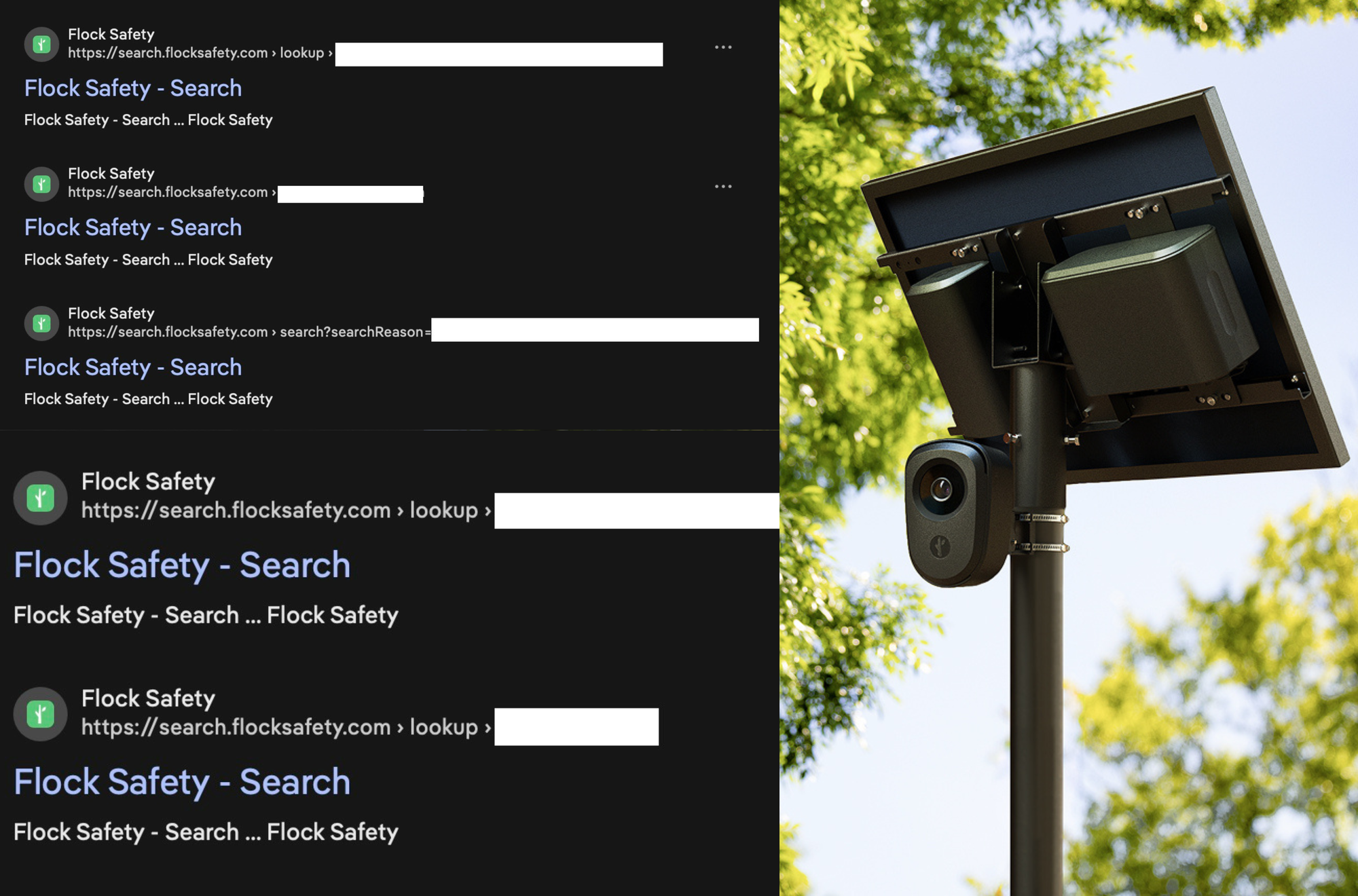
The development
Flock's license plate reader infrastructure inadvertently exposed law enforcement search queries through search engine indexing, revealing both queried plates and investigative intent. The incident underscores how AI-powered surveillance systems and their data pipelines create novel security and privacy vulnerabilities at scale. For the AI infrastructure sector, this highlights the gap between deploying automated systems and securing their operational metadata, a concern that extends beyond ALPR to any high-stakes ML application handling sensitive government or corporate queries.
Modelwire’s AI-generated summary of coverage from 404 Media.
Modelwire analysis
ExplainerOur AI-generated reading of the wider context and the next developments to watch.
The exposure wasn't a hack or an insider leak. It was a routine indexing behavior that Flock's infrastructure failed to block, meaning the vulnerability required no adversary, just a search engine doing exactly what search engines do. That distinction matters because it implies the failure is architectural, not incidental.
This story sits largely disconnected from the recent OpenAI-Anthropic pricing coverage or Pool's screenshot-retrieval app, both from June 11. The relevant thread is broader: as AI-powered data pipelines get deployed into sensitive government contexts, the operational metadata those systems generate (query logs, search patterns, investigative intent) becomes its own attack surface. Flock's case is an early, concrete example of what that looks like in practice. The gap here isn't model capability or inference cost. It's the absence of basic operational security discipline around systems that were never designed with public-sector data handling requirements in mind.
Watch whether any law enforcement agencies that use Flock publicly disclose the scope of exposed queries to affected individuals, as that would signal whether existing privacy frameworks actually reach this category of surveillance metadata. If no disclosures follow within 90 days, that absence is itself informative about accountability gaps.
This interpretation is generated from the summary above and available source metadata. Our methodology · Report an error
MentionsFlock · DuckDuckGo · Bing · 404 Media
How this coverage is produced
Modelwire uses AI to generate summaries and context from source headlines, snippets, and selected archive coverage. Automated checks do not verify every claim, and items are not routinely reviewed by a person before publication. Zacaria Solis operates the site. Read the linked source for the full evidence and report errors through our corrections process.
Modelwire summarizes, we don’t republish. The full content lives on 404media.co. If you’re a publisher and want a different summarization policy for your work, see our takedown page.