Flock planned to turn 350,000 gig drivers into surveillance data collectors
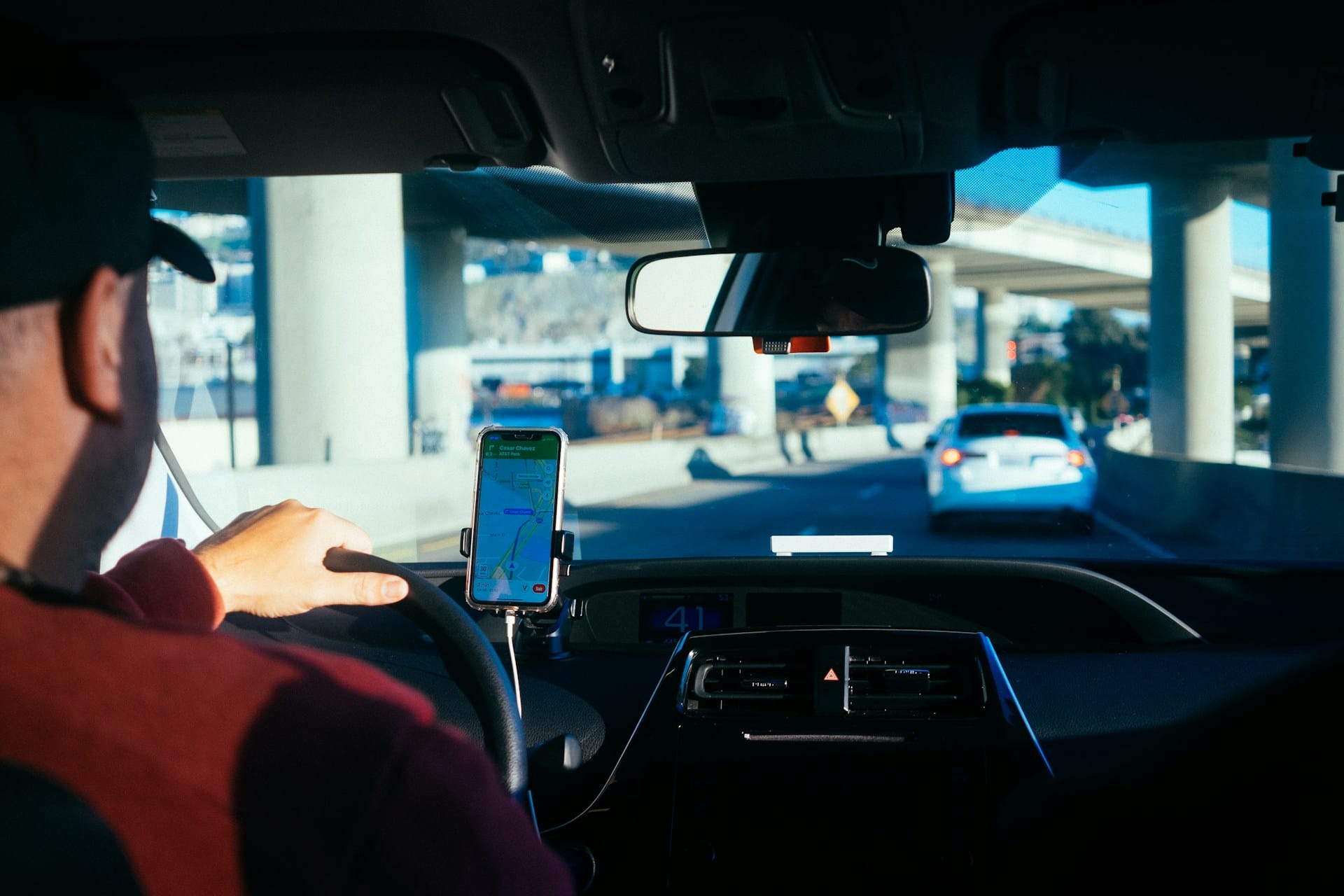
Flock Security sought to weaponize a massive gig-economy network for mass surveillance infrastructure, proposing to convert roughly 350,000 rideshare and delivery drivers into distributed license-plate collectors. The scheme reveals how AI-powered surveillance systems depend on real-world data pipelines that blur the line between consumer platforms and state-adjacent monitoring. This exposes a critical vulnerability in the AI supply chain: the infrastructure underpinning computer vision and location-tracking models increasingly relies on covert data harvesting from unsuspecting workers and the public, raising questions about consent, labor exploitation, and the regulatory gaps that allow such proposals to reach boardroom stage.
Modelwire context
Analyst takeThe proposal itself wasn't rejected on technical grounds, but rather signals how surveillance vendors are now explicitly designing data-collection schemes that treat gig workers as unpaid infrastructure. This represents a shift from passive camera networks to active, distributed harvesting that weaponizes existing labor relationships.
This fits directly into Flock's documented pattern of institutional capture. The leaked playbook from early August showed how the company coaches law enforcement to lobby on its behalf, bypassing public deliberation. The driver-as-sensor proposal is the logical extension: if Flock can instrumentalize police departments as advocacy proxies, why not instrumentalize rideshare networks as data pipelines? Both tactics treat intermediaries (cops, drivers) as extensions of the vendor's commercial interests rather than as stakeholders with independent judgment. The credibility fractures exposed in the sales rep departure story compound this: when vendors misrepresent capabilities to municipalities, they're also likely misrepresenting labor terms to drivers.
Monitor whether Uber or Lyft formally reject this proposal in writing and whether they commit to contractual language prohibiting driver-side surveillance data sales. If either platform remains silent or negotiates terms rather than declining outright, that signals willingness to monetize driver location data under different framing, which would validate the vendor's core assumption that gig platforms treat worker data as a revenue lever.
Coverage we drew on
This analysis is generated by Modelwire’s editorial layer from our archive and the summary above. It is not a substitute for the original reporting. How we write it.
MentionsFlock Security · Uber · Lyft
Modelwire Editorial
This synthesis and analysis was prepared by the Modelwire editorial team. We use advanced language models to read, ground, and connect the day’s most significant AI developments, providing original strategic context that helps practitioners and leaders stay ahead of the frontier.
Modelwire summarizes, we don’t republish. 404 Media originally reported this story as “Flock Pitched a Plan To Turn Uber and Lyft Drivers Into Roaming Surveillance Vehicles”. The full content lives on 404media.co. If you’re a publisher and want a different summarization policy for your work, see our takedown page.