Flock Safety's bias tests expose surveillance system vulnerability to discriminatory use
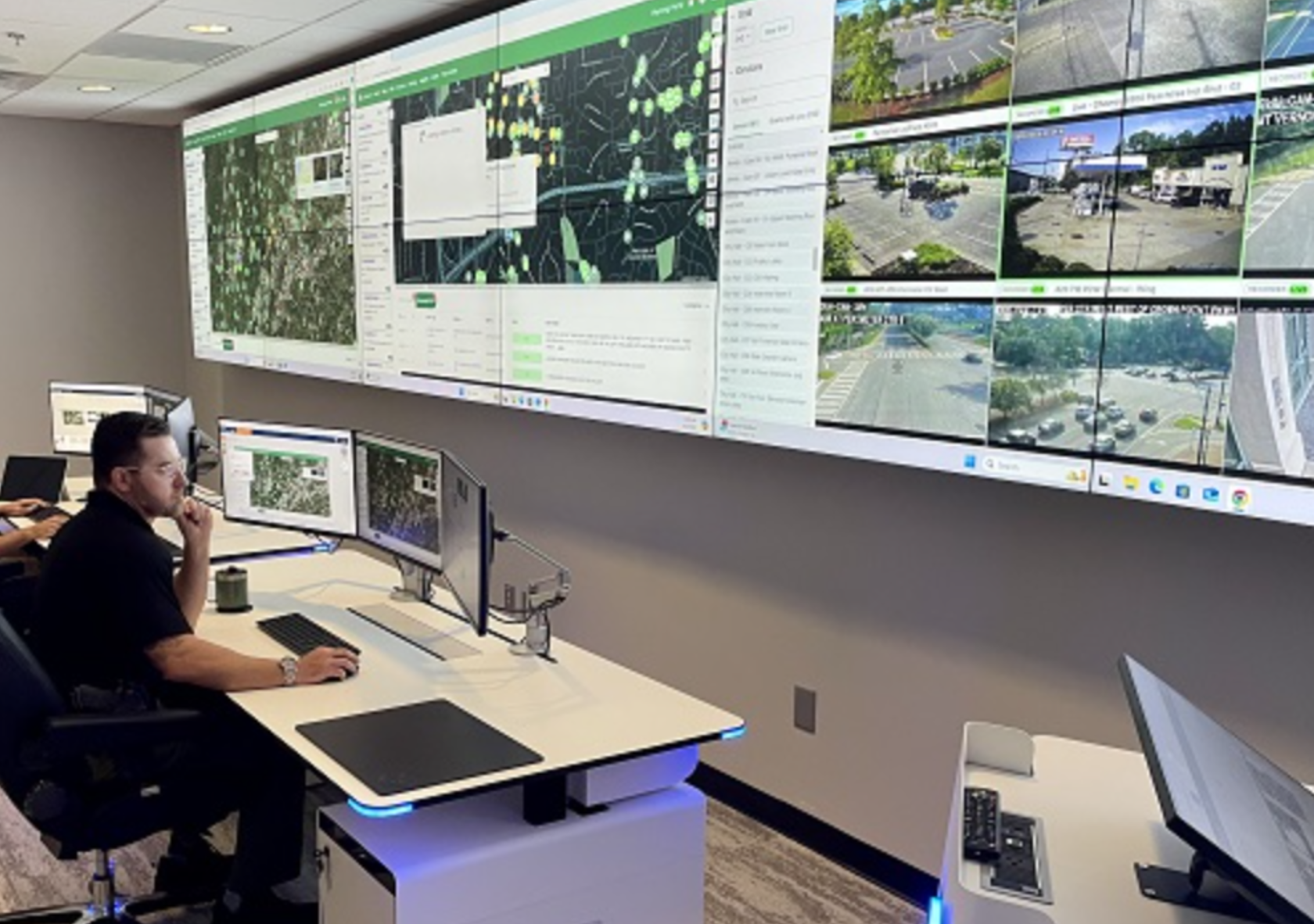
Flock Safety, a leading provider of automated license plate recognition cameras deployed across U.S. law enforcement, conducted internal testing that exposed how easily its surveillance infrastructure could be weaponized for discriminatory searches. The company demonstrated searches targeting religious symbols, political affiliations, and vehicle characteristics, ostensibly to show what police departments should avoid. This incident reveals a critical gap between AI surveillance system design and real-world deployment safeguards, raising questions about whether algorithmic guardrails can meaningfully constrain human bias in high-stakes identification systems. For AI infrastructure builders, it underscores that technical capability and policy intent diverge sharply when systems reach operational scale.
Modelwire context
Skeptical readFlock Safety didn't discover a flaw in deployment; it manufactured one in a lab. The real story is that the company chose to publicize its own capability to run discriminatory searches, framing this as a cautionary tale rather than acknowledging that operational police departments may already be running similar queries without the same internal scrutiny.
This is largely disconnected from recent activity in the broader AI safety space, which has focused on model alignment and benchmark gaming. Instead, it belongs to the surveillance infrastructure category: systems where the technical capability is already deployed at scale and the question of misuse is not hypothetical. The gap Flock exposed (between design intent and operator behavior) mirrors recurring patterns in law enforcement tech adoption, where vendors ship with policy recommendations but no enforcement mechanism.
If any police department using Flock's system is caught running searches on the discriminatory parameters Flock demonstrated (religious symbols, political affiliations), and Flock's logs show the queries were flagged or blocked, that confirms guardrails exist in production. If no such incident surfaces within 18 months, or if logs show queries went through undetected, the 'internal testing' framing collapses into a PR exercise.
This analysis is generated by Modelwire’s editorial layer from our archive and the summary above. It is not a substitute for the original reporting. How we write it.
MentionsFlock Safety · Flock City PD · 404 Media
Modelwire Editorial
This synthesis and analysis was prepared by the Modelwire editorial team. We use advanced language models to read, ground, and connect the day’s most significant AI developments, providing original strategic context that helps practitioners and leaders stay ahead of the frontier.
Modelwire summarizes, we don’t republish. 404 Media originally reported this story as “‘Flock City PD:’ The Fake Flock-Owned ‘Police Department’ That Searched Real Cameras for Real People”. The full content lives on 404media.co. If you’re a publisher and want a different summarization policy for your work, see our takedown page.