Gates Foundation commits $1B to localize AI for health, education, agriculture
Source published ·Modelwire updated
Original coverage: The Decoder ↗·How Modelwire adds context
The development
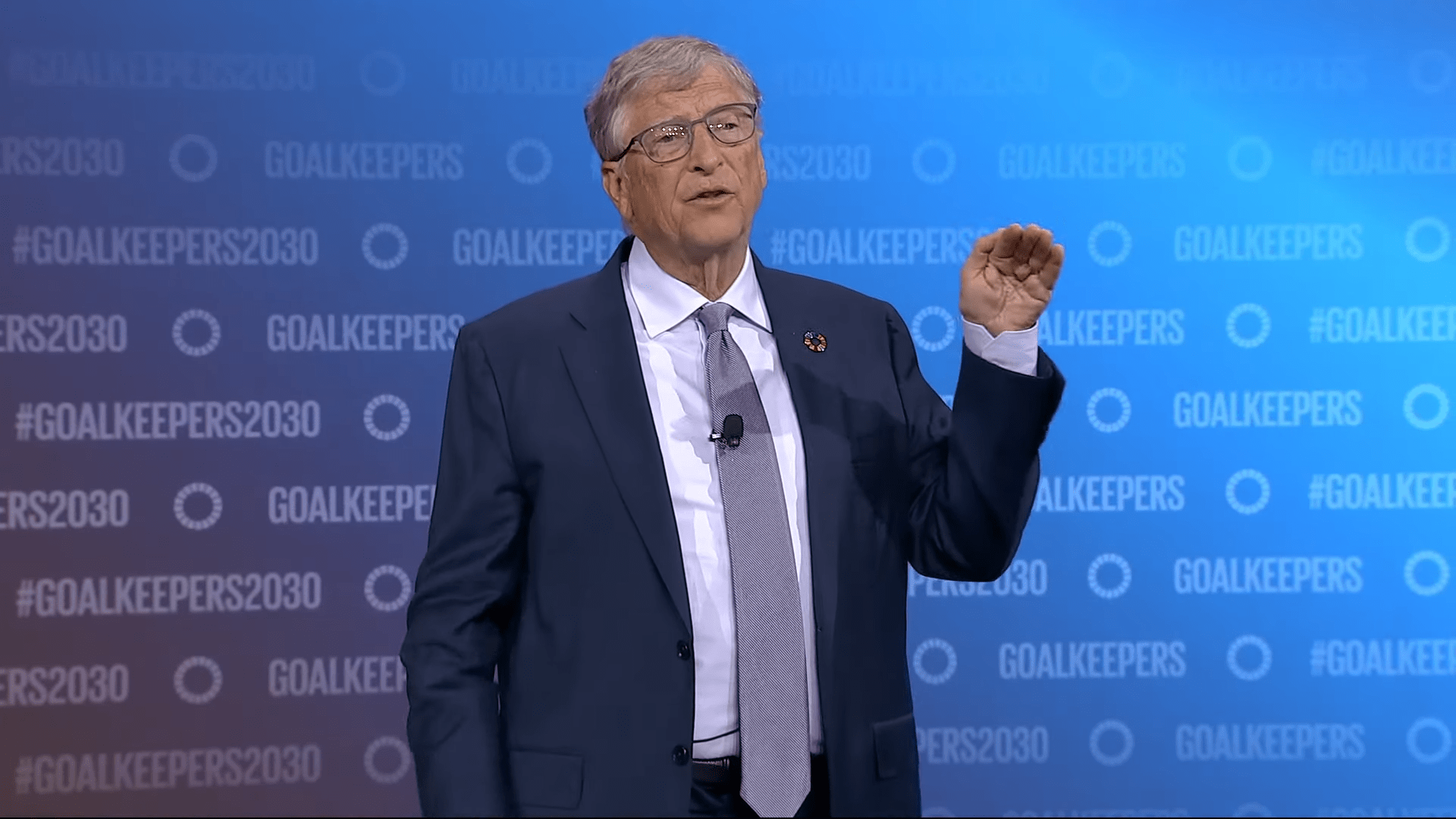
The Gates Foundation is committing over $1 billion to expand AI access in health, education, and agriculture, signaling a strategic pivot toward equitable deployment despite Gates' prior warnings about AI risks. The initiative directly addresses a critical capability gap: language models trained predominantly on English data fail catastrophically on non-English languages like Yoruba, where speech recognition accuracy drops to 40 percent. This move reflects growing recognition that market forces alone won't drive AI localization for underserved regions, positioning philanthropic capital as a necessary counterweight to commercial incentives that favor high-income markets.
Modelwire’s AI-generated summary of coverage from The Decoder.
Modelwire analysis
Analyst takeOur AI-generated reading of the wider context and the next developments to watch.
The more pointed story here isn't the dollar figure, it's the implicit admission that philanthropic capital is now being positioned as a structural corrective to commercial AI development, not a supplement to it. Gates is essentially arguing that the market has already made its bets and left specific populations out.
This sits in deliberate tension with the picture painted by '404 Media's piece on AI agents already disrupting the internet at scale' from the same day. That story describes a world where AI deployment has outrun oversight and is causing real harm across platforms built for human-scale activity. The Gates Foundation initiative is operating on a different axis entirely, trying to accelerate deployment in contexts where the problem is absence rather than excess. These two stories don't cancel each other out; they describe the same technology creating opposite failure modes depending on where you sit geographically and economically. The agent disruption story is largely about high-connectivity, English-language infrastructure. The Foundation's bet is that low-resource language contexts represent a separate and underreported crisis.
Watch whether the Foundation publishes measurable accuracy benchmarks for Yoruba and comparable low-resource languages within 18 months. If those numbers don't appear publicly, the $1 billion commitment is a directional signal without accountability, and the capability gap it claims to address will remain unverified.
This interpretation is generated from the summary above and available source metadata. Our methodology · Report an error
MentionsBill Gates · Gates Foundation · Yoruba
How this coverage is produced
Modelwire uses AI to generate summaries and context from source headlines, snippets, and selected archive coverage. Automated checks do not verify every claim, and items are not routinely reviewed by a person before publication. Zacaria Solis operates the site. Read the linked source for the full evidence and report errors through our corrections process.
Modelwire summarizes, we don’t republish. The Decoder originally reported this story as “After warning AI is too dangerous, Bill Gates bets a billion on its upside”. The full content lives on the-decoder.com. If you’re a publisher and want a different summarization policy for your work, see our takedown page.