Google tests orbital AI processors as part of space datacenter strategy
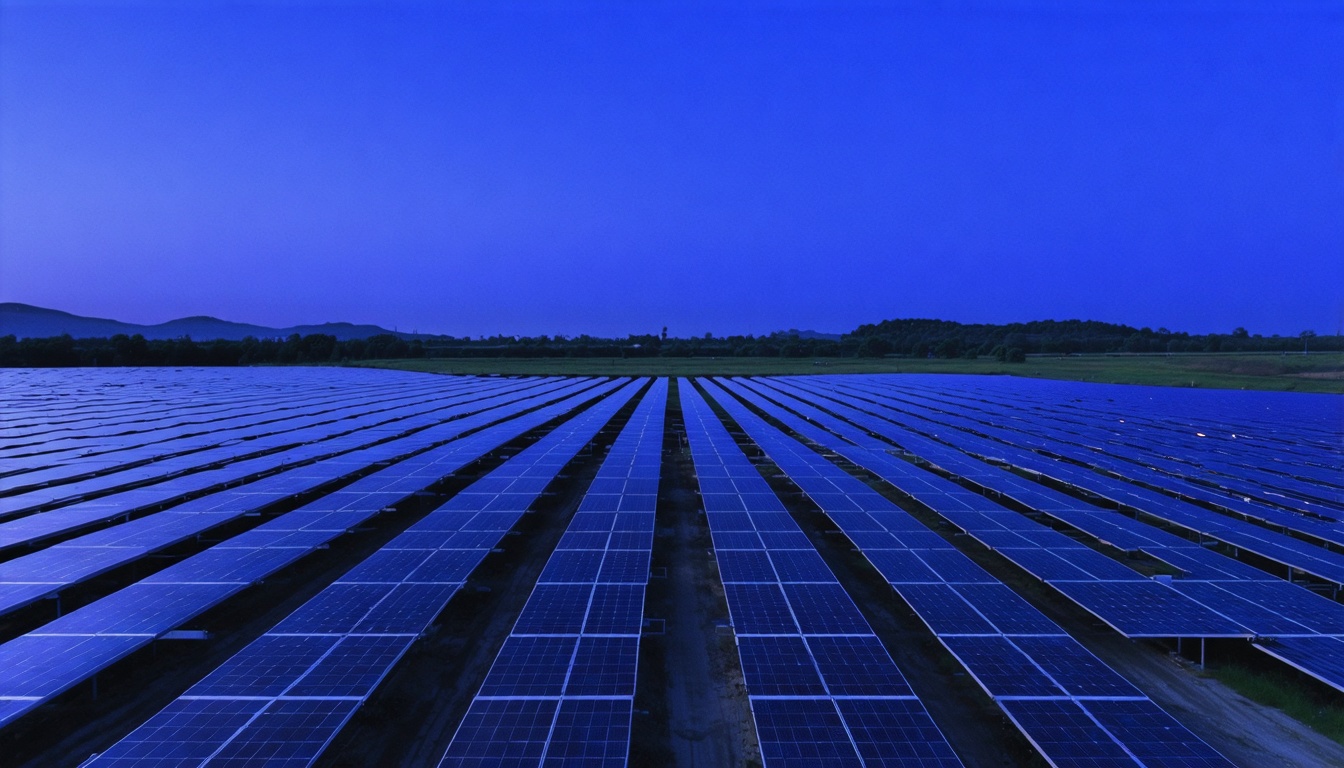
Google is moving beyond terrestrial infrastructure by testing AI processors in orbit, signaling a shift in how frontier labs may scale compute in the coming decade. Project Suncatcher represents a bet that space-based data centers could circumvent earthbound power and cooling constraints that currently limit AI training and inference at scale. The satellite launch serves as a proof-of-concept for Tensor chip performance in extreme conditions, with implications for how cloud providers architect next-generation AI workloads. Success here could reshape datacenter economics and open a new frontier for competitive advantage in AI infrastructure.
Modelwire context
Skeptical readThe summary treats the power-and-cooling argument as settled logic, but orbital data centers face their own severe thermal constraints: without convective cooling, heat dissipation in vacuum is a genuinely hard engineering problem, and no figures have been released on how Tensor chips perform under those conditions at sustained load.
Modelwire has no prior coverage to anchor this to directly, so this story sits largely on its own. The relevant context lives elsewhere: the broader infrastructure arms race among hyperscalers, where Microsoft, Amazon, and Google have all made large capital commitments to terrestrial nuclear and dedicated grid capacity over the past 18 months. Project Suncatcher is best read against that backdrop, as a hedge or a pressure-release narrative rather than a replacement strategy. Whether it represents genuine engineering conviction or a way to signal ambition while ground-based permitting drags is a question the launch itself won't answer.
Watch for Google to publish thermal performance and sustained inference throughput data from the satellite within 90 days of launch. If those numbers don't appear, or appear only in a marketing context without methodology, the proof-of-concept framing should be treated with significant skepticism.
This analysis is generated by Modelwire’s editorial layer from our archive and the summary above. It is not a substitute for the original reporting. How we write it.
MentionsGoogle · Project Suncatcher · Tensor · The Verge · The New York Times
Modelwire Editorial
This synthesis and analysis was prepared by the Modelwire editorial team. We use advanced language models to read, ground, and connect the day’s most significant AI developments, providing original strategic context that helps practitioners and leaders stay ahead of the frontier.
Modelwire summarizes, we don’t republish. The Verge - AI originally reported this story as “Google is sending an AI satellite into space next week”. The full content lives on theverge.com. If you’re a publisher and want a different summarization policy for your work, see our takedown page.