Google unveils two new TPUs designed for the "agentic era"
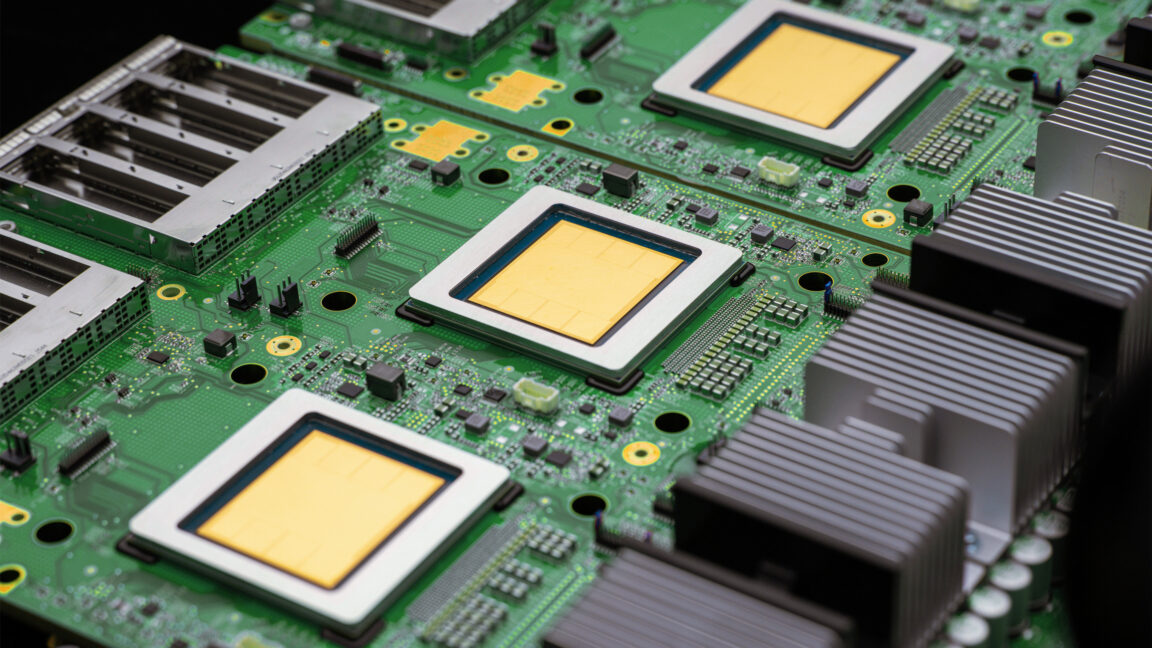
Google split its next-generation Tensor chip into two specialized processors: one optimized for inference, the other for training. The move signals the company's bet on agentic AI workloads as a distinct infrastructure category.
Modelwire context
Analyst takeThe more consequential detail isn't the split itself but what it implies about cost structure: separating inference and training silicon suggests Google expects agentic workloads to run inference at a volume and frequency that a unified chip can no longer serve economically. That's a capacity bet, not just a product refresh.
MIT Technology Review's piece from April 16 argued that enterprise AI competition is increasingly about controlling operational infrastructure rather than model capabilities, and this TPU split is a concrete expression of that thesis. Google is not just building faster chips; it is vertically integrating the infrastructure layer for a specific workload category before that category fully matures. Meanwhile, the same week saw Google pushing persistent AI Mode in Chrome (covered via The Verge and WIRED on April 16), which represents the client-side surface where agentic inference would actually run. The hardware and the interface bets are moving in parallel, which suggests a coordinated platform strategy rather than isolated product decisions.
Watch whether Google announces preferential TPU pricing or reserved capacity for Workspace or Cloud agentic tiers within the next two quarters. If it does, the chip split was infrastructure for a bundling play, not a general-purpose compute upgrade.
Coverage we drew on
- Treating enterprise AI as an operating layer · MIT Technology Review — AI
This analysis is generated by Modelwire’s editorial layer from our archive and the summary above. It is not a substitute for the original reporting. How we write it.
Modelwire Editorial
This synthesis and analysis was prepared by the Modelwire editorial team. We use advanced language models to read, ground, and connect the day’s most significant AI developments, providing original strategic context that helps practitioners and leaders stay ahead of the frontier.
Modelwire summarizes, we don’t republish. The full content lives on arstechnica.com. If you’re a publisher and want a different summarization policy for your work, see our takedown page.