GPU Renters Are Playing a Silicon Lottery
Source published ·Modelwire updated
Original coverage: IEEE Spectrum - AI ↗·How Modelwire adds context
The development
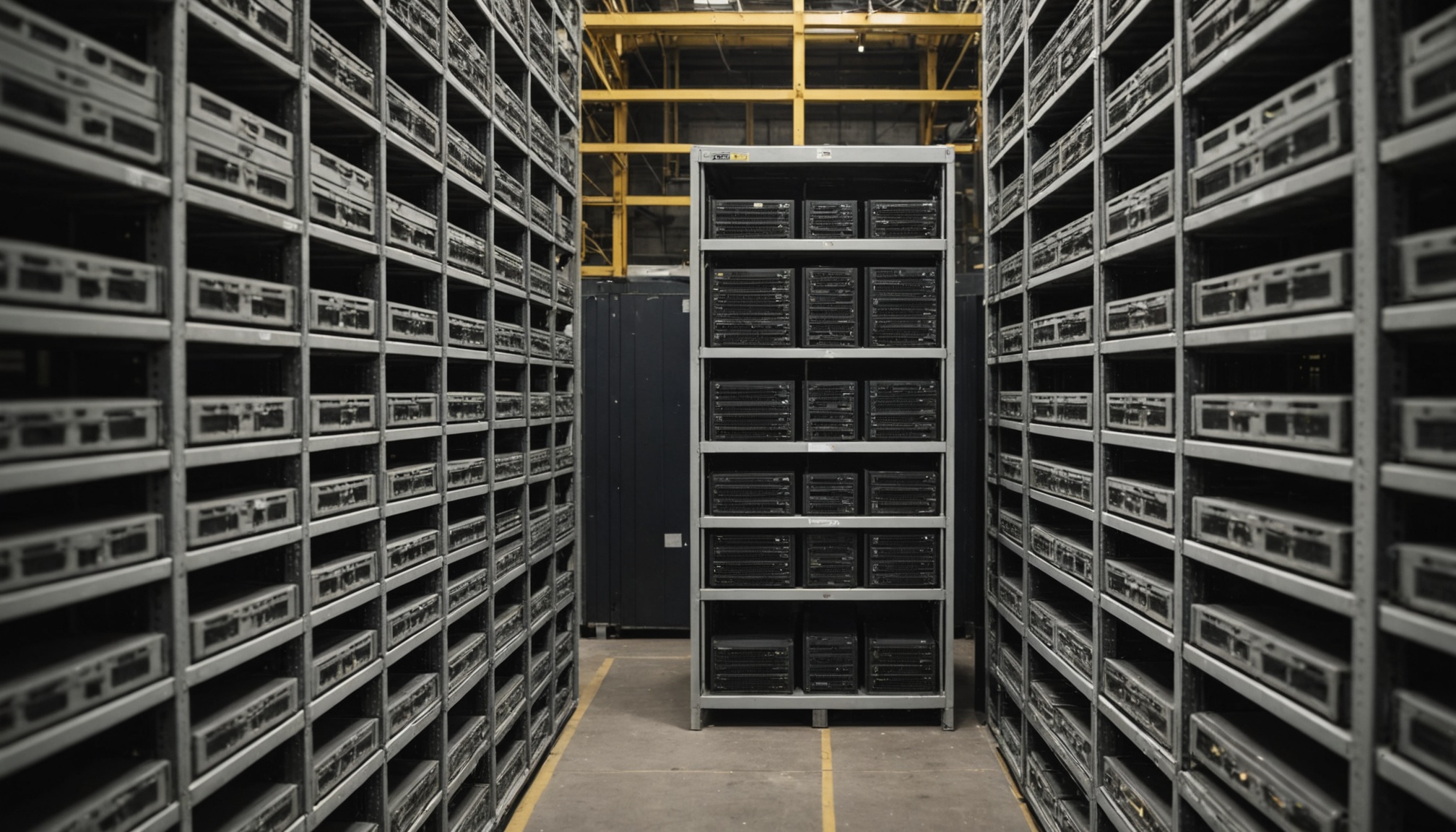
Research from William & Mary, Jefferson Lab, and Silicon Data reveals that identical GPU models exhibit substantial performance variance when rented from cloud providers, turning procurement into an unpredictable gamble for AI teams. The silicon lottery effect, where manufacturing tolerances create chip-to-chip differences, compounds cost uncertainty for organizations scaling compute infrastructure. This finding reshapes how practitioners should evaluate cloud GPU pricing and benchmarking claims, suggesting that nominal specs alone cannot guarantee consistent training or inference economics.
Modelwire’s AI-generated summary of coverage from IEEE Spectrum - AI.
Modelwire analysis
Analyst takeOur AI-generated reading of the wider context and the next developments to watch.
The research implicates benchmarking methodology as a systemic problem, not just a vendor transparency issue. Published performance specs are typically derived from cherry-picked or averaged samples, meaning organizations that budget compute costs against those figures may be systematically underestimating variance before they ever run a job.
None of the recent Modelwire coverage connects directly to this story, which sits in a distinct corner of the AI infrastructure market rather than the governance, media integrity, or robotics threads we have been tracking. The closest structural parallel is the cost-uncertainty dynamic that underlies the OpenAI for-profit pivot trial covered in late April: as AI labs and enterprise teams scale compute spend, unpredictable unit economics complicate the financial models that investors and boards are being asked to approve. GPU rental variance adds another layer of opacity to those projections that neither side of that courtroom dispute has publicly accounted for.
Watch whether major cloud providers respond with per-instance benchmark disclosures or SLA-backed performance floors within the next two quarters. If none do, procurement teams will likely push the cost of variance onto third-party benchmarking services, creating a new market segment around GPU qualification.
This interpretation is generated from the summary above and the archive coverage cited below. Our methodology · Report an error
Coverage behind this analysis
These archive entries ground the connection in our analysis. They are ordered by source publication date, with links to our coverage and the original sources.
·The Decoder
Musk and Altman face off in court over OpenAI's for-profit pivot
A federal trial between Elon Musk and Sam Altman over OpenAI's transition from nonprofit to capped-profit structure exposes a fundamental governance dispute at the heart of the AI industry. The case hinges on competing narratives about OpenAI's founding mission and whether the for-profit pivot violated implicit commitments to open-source development and public benefit. The outcome…
MentionsCollege of William & Mary · Jefferson Lab · Silicon Data · Carmen Li · University of Wisconsin
How this coverage is produced
Modelwire uses AI to generate summaries and context from source headlines, snippets, and selected archive coverage. Automated checks do not verify every claim, and items are not routinely reviewed by a person before publication. Zacaria Solis operates the site. Read the linked source for the full evidence and report errors through our corrections process.
Modelwire summarizes, we don’t republish. The full content lives on spectrum.ieee.org. If you’re a publisher and want a different summarization policy for your work, see our takedown page.