Humanoid data
Source published ·Modelwire updated
Original coverage: MIT Technology Review — AI ↗·How Modelwire adds context
The development
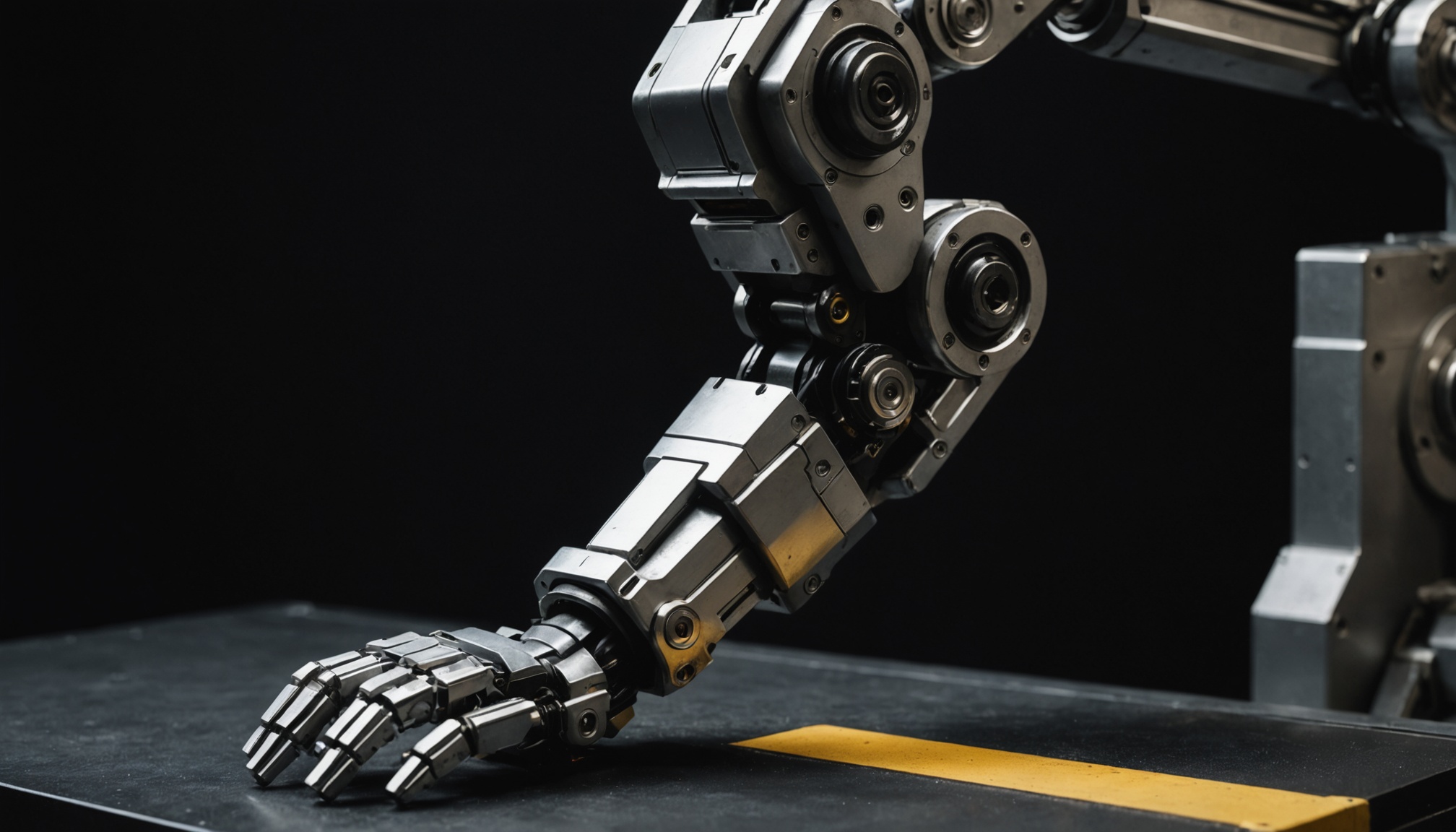
Companies are recruiting humans to generate training data for robotics AI by paying them to perform mundane tasks on camera or remotely operate robotic arms. The practice raises questions about data sourcing economics and labor practices in the AI supply chain.
Modelwire’s AI-generated summary of coverage from MIT Technology Review — AI.
Modelwire analysis
Analyst takeOur AI-generated reading of the wider context and the next developments to watch.
The buried issue here is not that humans are doing this work, but that the economics of physical training data are structurally different from text or image scraping: you cannot crawl the internet for robot manipulation data, which means labor costs are a permanent line item rather than a one-time acquisition expense.
This connects directly to the resistance movement covered in MIT Technology Review on April 21 ('Resistance'), which catalogued job displacement as one of the concrete harms driving public backlash against AI. The irony is sharp: the same automation pipeline that threatens downstream jobs currently depends on low-wage human labor to function at all. That tension is not acknowledged in most robotics coverage. The Shenzhen dateline also rhymes with the open-source dynamics covered in 'China's open-source bet' from the same day, where Chinese labs are structurally undercutting Western API economics. If Chinese firms can source physical training data more cheaply through domestic labor markets, that is a durable cost advantage, not just a model architecture story.
Watch whether any major robotics company (Figure, Physical Intelligence, or a Chinese peer) discloses labor sourcing practices or per-hour data generation costs in the next six months. Disclosure pressure, or the absence of it, will signal whether this supply chain gets the same scrutiny that crowdsourced annotation work eventually received.
This interpretation is generated from the summary above and the archive coverage cited below. Our methodology · Report an error
Coverage behind this analysis
These archive entries ground the connection in our analysis. They are ordered by source publication date, with links to our coverage and the original sources.
·MIT Technology Review — AI
Resistance
A broad coalition is mobilizing against AI deployment, citing concrete harms: soaring electricity costs from data centers, job displacement, mental health risks to teenagers, military applications, and systematic copyright violations. The movement signals a potential inflection point in public tolerance for AI's externalities.
MentionsMIT Technology Review · Shenzhen
How this coverage is produced
Modelwire uses AI to generate summaries and context from source headlines, snippets, and selected archive coverage. Automated checks do not verify every claim, and items are not routinely reviewed by a person before publication. Zacaria Solis operates the site. Read the linked source for the full evidence and report errors through our corrections process.
Modelwire summarizes, we don’t republish. The full content lives on technologyreview.com. If you’re a publisher and want a different summarization policy for your work, see our takedown page.