In another wild turn for AI chips, Meta signs deal for millions of Amazon AI CPUs
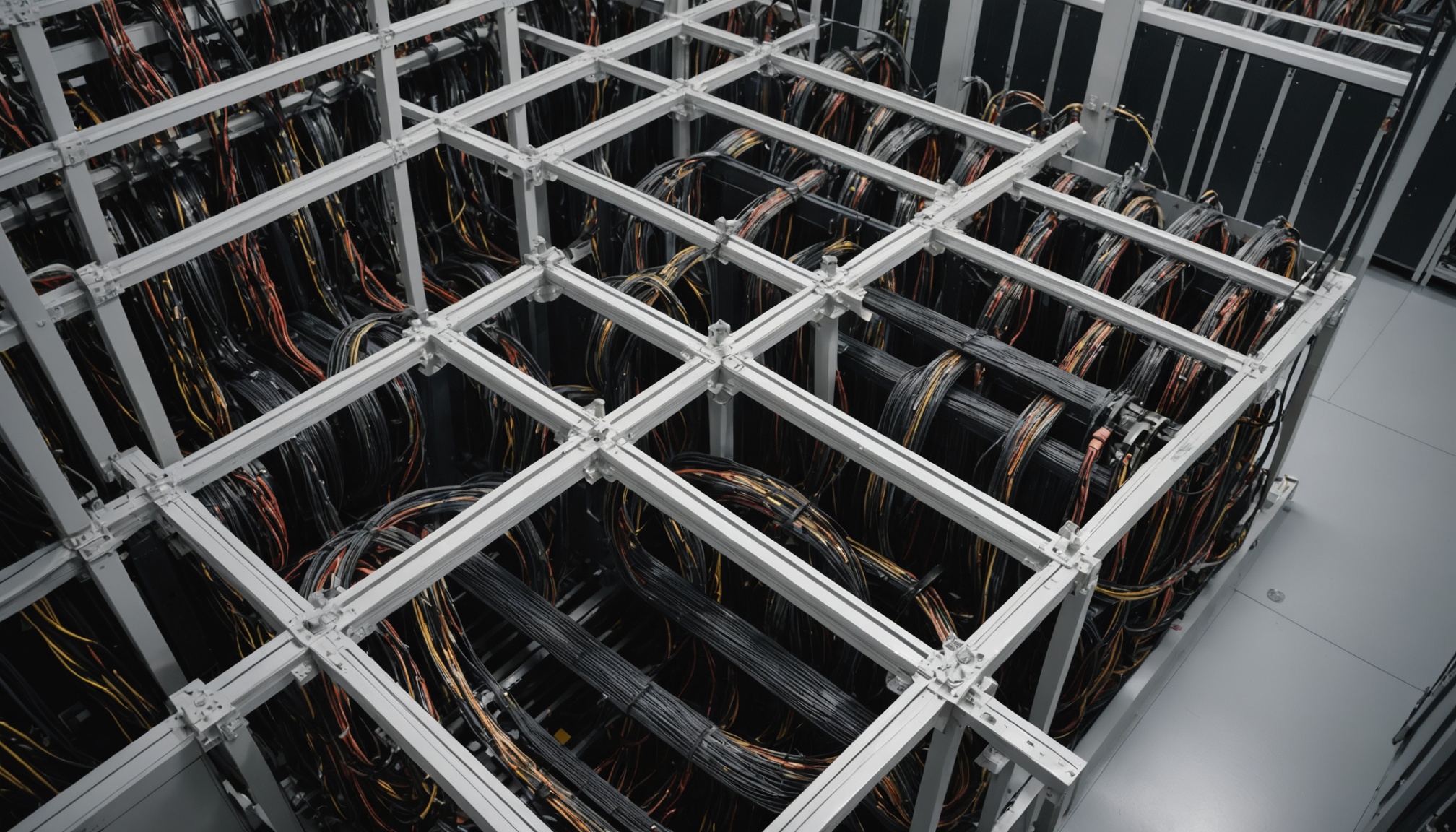
Meta is acquiring a substantial volume of Amazon's custom-built CPUs for AI agent workloads, marking a shift in chip strategy away from GPU-centric approaches. The deal underscores intensifying competition among hyperscalers to secure specialized silicon for emerging inference and agentic tasks.
Modelwire context
Analyst takeThe more consequential detail here is what this says about Amazon's position as a silicon vendor to competitors, not just a cloud host. Meta buying Amazon-designed CPUs at scale means Amazon Web Services is now effectively a chip supplier to a company that also runs its own competing cloud infrastructure, a relationship with real strategic tension baked in.
This deal lands just days after Cerebras filed for its IPO (covered here April 18), where AWS was already named as a key partner. That filing signaled that Amazon is aggressively building out a custom silicon portfolio designed to attract exactly this kind of hyperscaler-to-hyperscaler business. The Meta deal confirms the thesis: specialized inference chips are becoming a distinct procurement category, separate from training GPU clusters. The shift toward CPU-based inference for agentic workloads also fits a broader pattern where the cost economics of running millions of lightweight agent tasks push buyers away from GPU-heavy setups toward cheaper, purpose-built silicon.
Watch whether Google follows with a comparable external deal for its TPU line within the next two quarters. If it does, that confirms custom silicon licensing is becoming a standard competitive lever rather than a one-off arrangement.
Coverage we drew on
- AI chip startup Cerebras files for IPO · TechCrunch — AI
This analysis is generated by Modelwire’s editorial layer from our archive and the summary above. It is not a substitute for the original reporting. How we write it.
MentionsMeta · Amazon · Amazon AI CPUs
Modelwire Editorial
This synthesis and analysis was prepared by the Modelwire editorial team. We use advanced language models to read, ground, and connect the day’s most significant AI developments, providing original strategic context that helps practitioners and leaders stay ahead of the frontier.
Modelwire summarizes, we don’t republish. The full content lives on techcrunch.com. If you’re a publisher and want a different summarization policy for your work, see our takedown page.