Is the web being summarized to death?
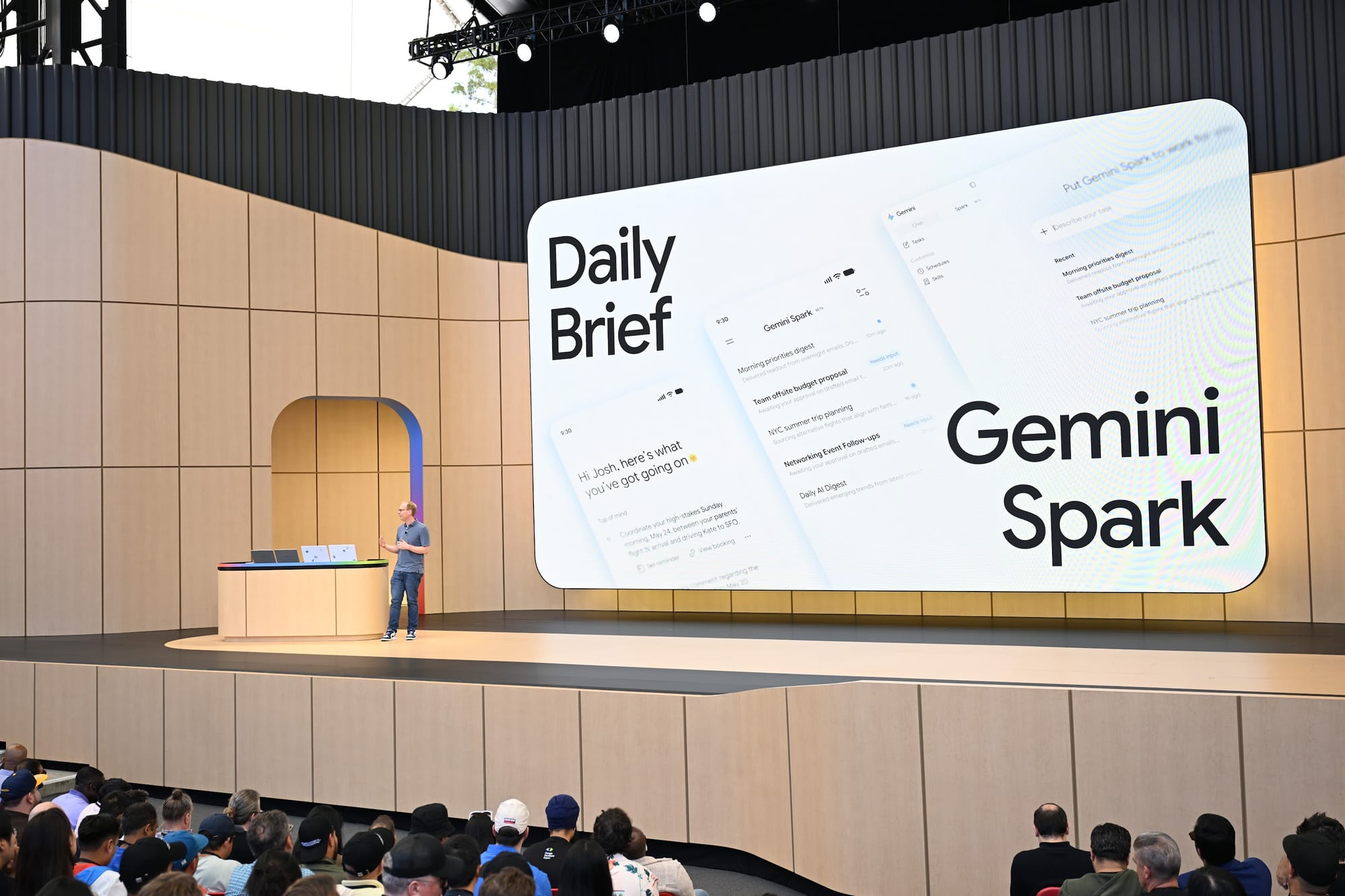
Google's I/O announcements embed agentic AI deeper into core consumer surfaces, particularly email and video platforms, escalating structural tensions between algorithmic curation and publisher economics. The move signals a strategic pivot toward autonomous AI intermediation of user attention, where summarization and content filtering happen before users encounter original sources. This intensifies an existing fault line: as platforms deploy LLM-powered agents to mediate discovery and consumption, publishers face margin compression and reduced direct traffic, while platforms consolidate control over information flow. The shift reflects confidence in AI agents as viable UX primitives, but raises questions about sustainable incentives for content creation at scale.
Modelwire context
Analyst takeThe more pointed question the summary circles but doesn't land on is whether Google's moves constitute a structural subsidy problem: publishers trained models on their content, and those models now reduce the traffic that made publishing economically viable in the first place. The incentive loop is broken in a way that predates agentic AI but accelerates sharply with it.
This story is largely disconnected from recent activity in our archive, as we have no prior coverage to anchor it to. It belongs to a broader fault line that has been developing across the media and search industries: the slow replacement of referral traffic with on-platform answers, which began with featured snippets and has now reached the point where agents can filter, summarize, and act on content without a user ever visiting the source. The Google I/O announcements represent a quantitative escalation of that existing dynamic, not a qualitative break from it.
Watch whether major news publishers or trade groups file formal complaints with the DOJ or EU competition authorities within the next six months citing AI summarization as a distribution foreclosure issue. If they do, that signals the economic harm has become concrete enough to litigate rather than negotiate.
This analysis is generated by Modelwire’s editorial layer from our archive and the summary above. It is not a substitute for the original reporting. How we write it.
MentionsGoogle · Google I/O · YouTube
Modelwire Editorial
This synthesis and analysis was prepared by the Modelwire editorial team. We use advanced language models to read, ground, and connect the day’s most significant AI developments, providing original strategic context that helps practitioners and leaders stay ahead of the frontier.
Modelwire summarizes, we don’t republish. The full content lives on platformer.news. If you’re a publisher and want a different summarization policy for your work, see our takedown page.