Journalist acquires global location data, exposing AI training pipeline risks
Source published ·Modelwire updated
Original coverage: 404 Media ↗·How Modelwire adds context
The development
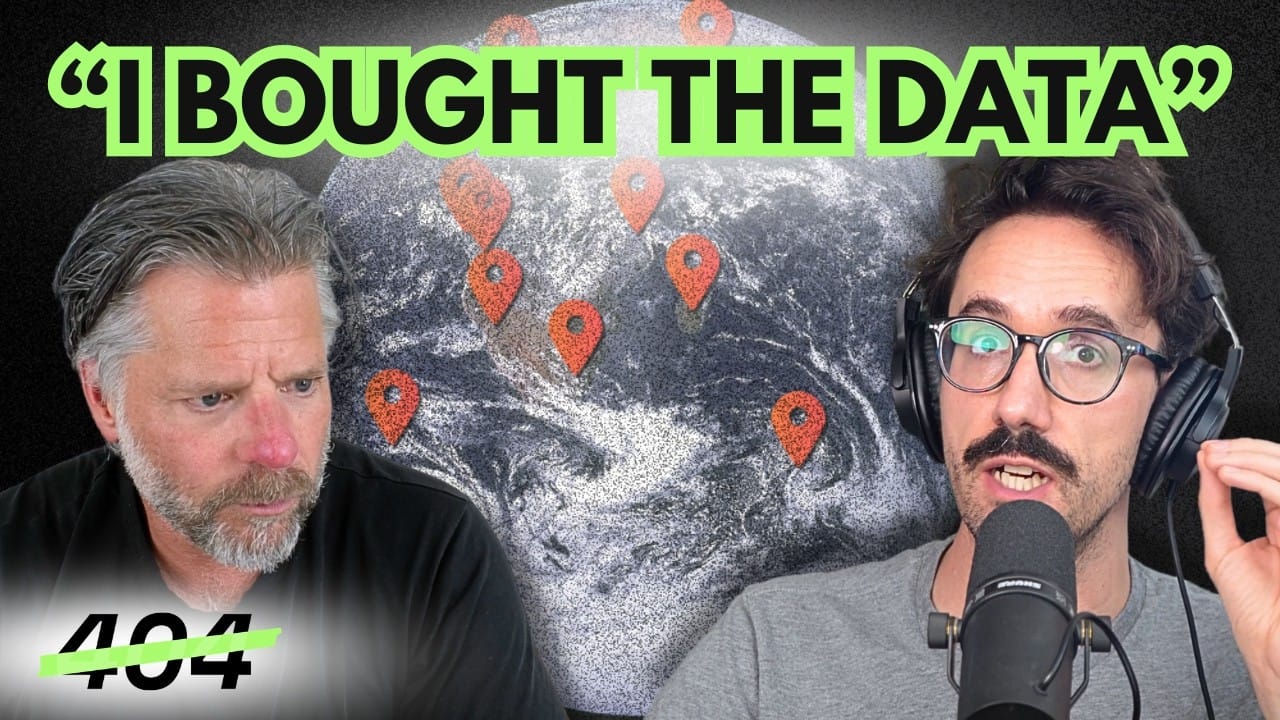
A journalist's purchase of global location data reveals how readily available personal movement patterns have become outside regulated channels, raising urgent questions about the data infrastructure that trains AI systems and powers surveillance applications. The story exposes a critical gap: while AI companies face scrutiny over training data provenance, location brokers operate with minimal oversight, selling datasets that could fuel both commercial AI models and privacy-invasive tracking systems. This underscores how AI's data hunger intersects with an unregulated data brokerage ecosystem, creating systemic risks that regulation has yet to address.
Modelwire’s AI-generated summary of coverage from 404 Media.
Modelwire analysis
Analyst takeOur AI-generated reading of the wider context and the next developments to watch.
The story's real news isn't that location data exists for sale (known) but that a single journalist can acquire global datasets with minimal friction, suggesting the brokerage infrastructure has scaled faster than any enforcement mechanism designed to constrain it.
This connects directly to the safety infrastructure debate surfaced by Ilya Sutskever's Safe Superintelligence partnership with Nvidia last month. SSI is anchoring alignment work to hardware provenance and trusted suppliers, yet that same rigor doesn't extend to the data layer. While frontier labs are building governance around compute allocation, location brokers operate entirely outside that frame, meaning AI systems trained on unvetted movement data could inherit privacy and surveillance risks that hardware partnerships alone cannot mitigate.
Monitor whether any of the major AI labs (OpenAI, Anthropic, Google DeepMind) publicly commit to excluding location broker datasets from training corpora in the next 90 days. If none do, it signals that data provenance commitments remain performative; if one does, watch whether others follow within 30 days to avoid competitive disadvantage.
This interpretation is generated from the summary above and the archive coverage cited below. Our methodology · Report an error
Coverage behind this analysis
These archive entries ground the connection in our analysis. They are ordered by source publication date, with links to our coverage and the original sources.
·TechCrunch - AI
Safe Superintelligence exits stealth with Nvidia infrastructure deal
Safe Superintelligence, Ilya Sutskever's safety-focused AI startup, is emerging from stealth with a strategic partnership anchoring its infrastructure to Nvidia's compute ecosystem. The move signals how frontier labs are structuring long-term scaling around trusted hardware suppliers, particularly as competition for GPU allocation intensifies. For the safety-research community, the partnership validates a model where alignment work…
MentionsMike Yeagley · 404 Media · Joseph
How this coverage is produced
Modelwire uses AI to generate summaries and context from source headlines, snippets, and selected archive coverage. Automated checks do not verify every claim, and items are not routinely reviewed by a person before publication. Zacaria Solis operates the site. Read the linked source for the full evidence and report errors through our corrections process.
Modelwire summarizes, we don’t republish. 404 Media originally reported this story as “This Man Bought Phone Location Data from Around the World (with Mike Yeagley)”. The full content lives on 404media.co. If you’re a publisher and want a different summarization policy for your work, see our takedown page.