LAPD drops Flock license plate reader after systematic false positives
Source published ·Modelwire updated
Original coverage: 404 Media ↗·How Modelwire adds context
The development
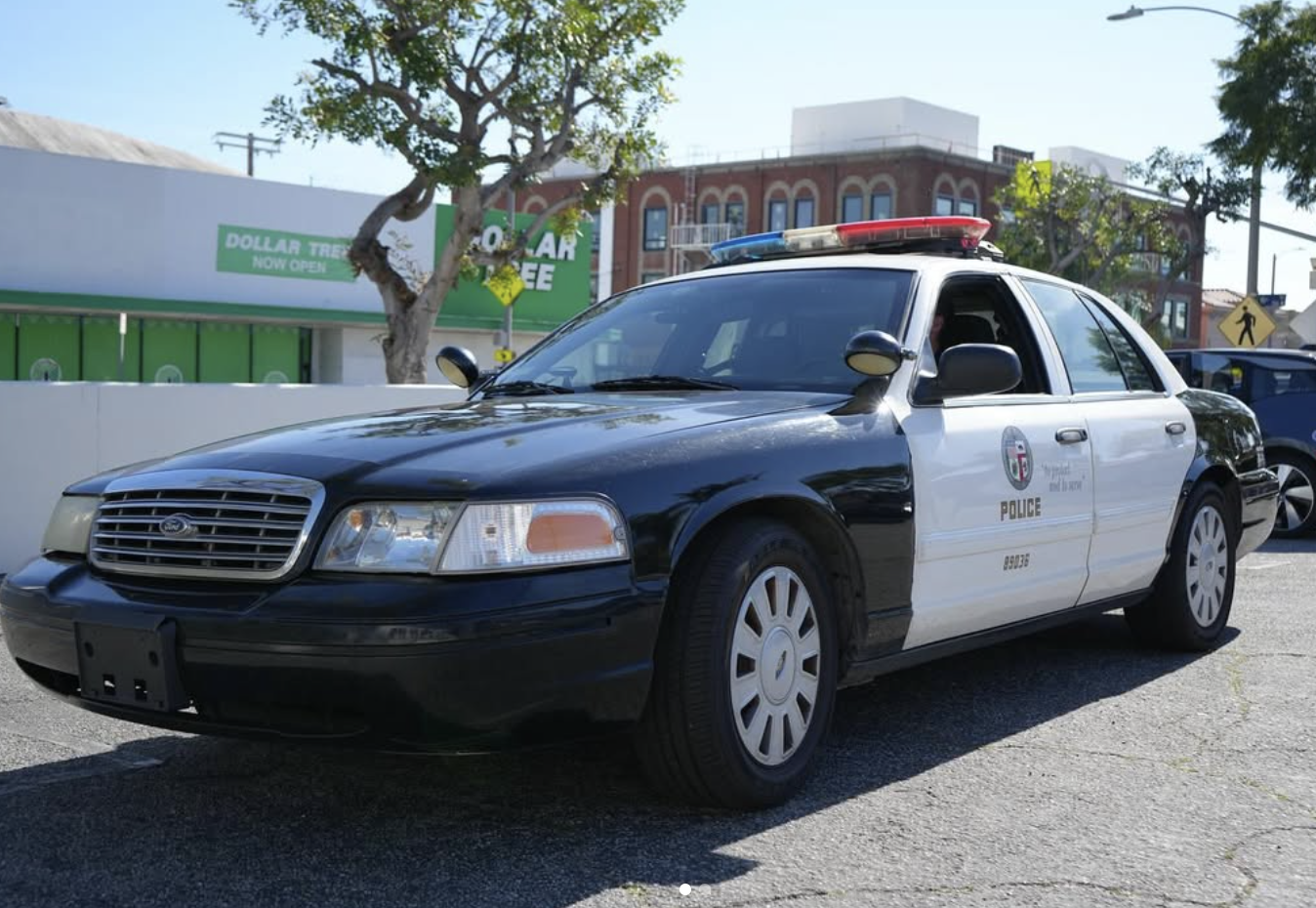
Los Angeles Police Department's decision to let its Flock automated license plate reader contract expire signals growing institutional skepticism toward computer vision systems deployed in law enforcement. The department's acknowledgment that the technology systematically flagged innocent vehicles as stolen, triggering unnecessary stops and surveillance, exposes a critical failure mode in real-world AI deployment: high false-positive rates in safety-critical contexts where human oversight proved insufficient. This outcome matters beyond policing because it demonstrates how algorithmic errors compound through organizational workflows, and it establishes precedent for municipal governments reconsidering vendor lock-in on surveillance infrastructure.
Modelwire’s AI-generated summary of coverage from 404 Media.
Modelwire analysis
Analyst takeOur AI-generated reading of the wider context and the next developments to watch.
The buried angle here is accountability asymmetry: Flock retains its contracts with hundreds of other jurisdictions while LAPD absorbs the reputational and legal exposure from stops that should never have happened. The vendor walks away largely intact; the municipality holds the liability.
Modelwire has no prior coverage directly on Flock or automated license plate readers, so this story sits somewhat on its own. It does, however, belong to a broader pattern this site has tracked in AI deployment failures, specifically the gap between vendor-reported accuracy and real-world performance in high-stakes operational contexts. The LAPD outcome is a concrete, documented instance of that gap producing measurable harm, which gives it weight as a reference case. What makes it analytically useful is that it shows how procurement cycles, not just technical audits, are becoming a pressure point for AI vendors in public-sector contracts.
Watch whether any of the roughly 5,000 other Flock customer agencies, particularly large municipal police departments, issue formal reviews or contract modifications within the next six months. If they don't, it suggests LAPD's decision reflects local political conditions rather than a genuine market correction.
This interpretation is generated from the summary above and available source metadata. Our methodology · Report an error
MentionsLos Angeles Police Department · Flock · license plate reader
How this coverage is produced
Modelwire uses AI to generate summaries and context from source headlines, snippets, and selected archive coverage. Automated checks do not verify every claim, and items are not routinely reviewed by a person before publication. Zacaria Solis operates the site. Read the linked source for the full evidence and report errors through our corrections process.
Modelwire summarizes, we don’t republish. 404 Media originally reported this story as “LAPD Regularly Pulled Over Innocent People Because License Plate Readers Flagged Their Cars As Stolen”. The full content lives on 404media.co. If you’re a publisher and want a different summarization policy for your work, see our takedown page.