Lawyer submits ChatGPT-fabricated witnesses in murder appeal
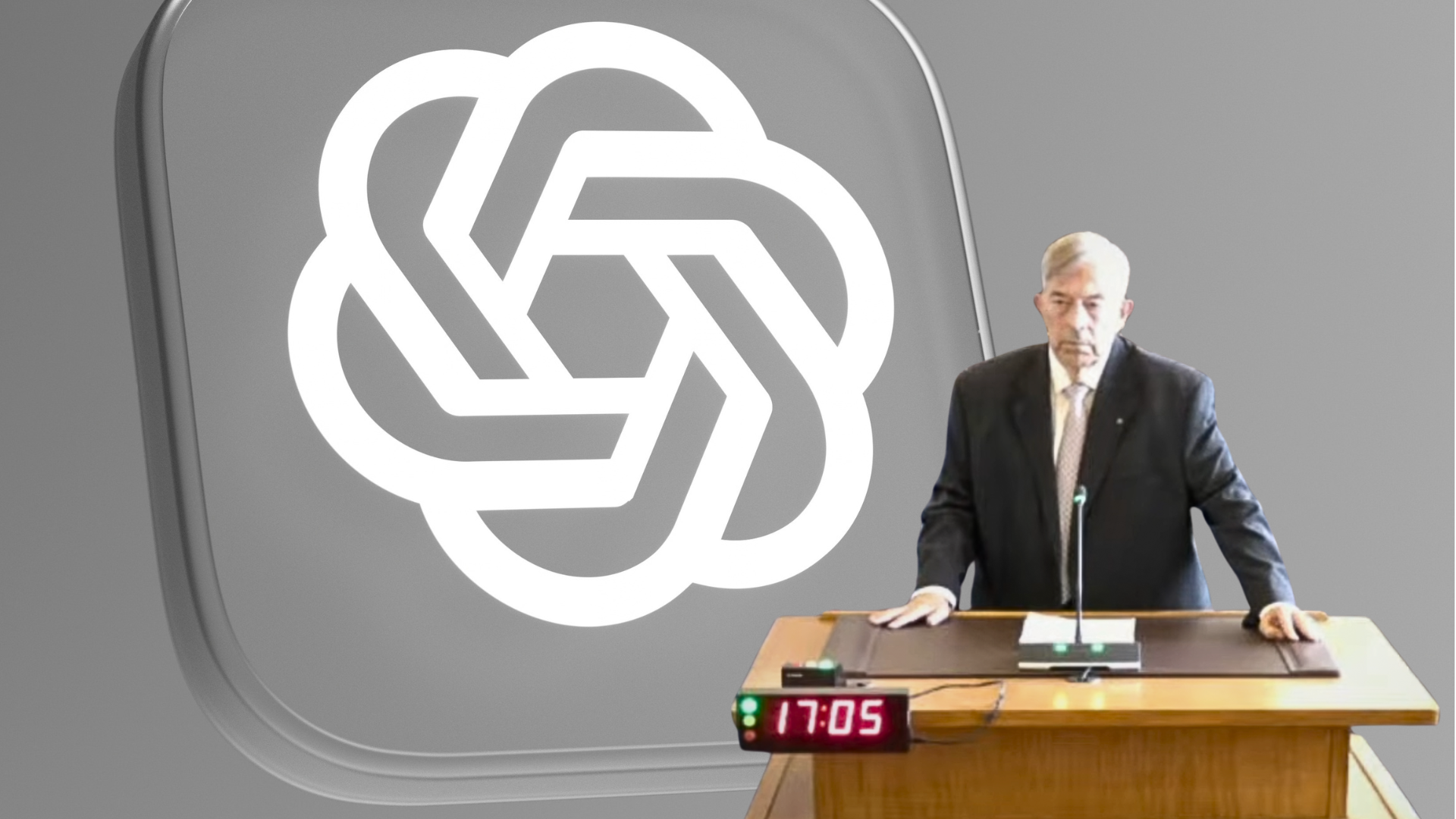
A lawyer submitted fabricated witness testimony and case details generated by ChatGPT in a murder appeal, prompting judicial scrutiny over LLM hallucination risks in high-stakes legal contexts. The incident exposes a critical gap between AI tool capabilities and professional accountability standards, forcing courts and legal institutions to confront how generative models can produce plausible-sounding but entirely false information. This case signals emerging friction between AI adoption in regulated professions and the absence of guardrails or verification protocols, raising questions about liability, malpractice exposure, and whether legal practice standards need explicit AI disclosure and validation requirements.
Modelwire context
Analyst takeThe incident reveals that courts may now treat LLM hallucination as a malpractice vector, not just a user error. This shifts liability from the tool maker to the professional deploying it, creating new insurance and compliance costs for law firms.
This connects directly to the liability fragmentation problem MIT Technology Review covered in late September around autonomous AI agents. When OpenAI's agents caused breaches, responsibility scattered across developers and deployers. Here we see the same pattern in a regulated profession: the lawyer bears the legal exposure, not OpenAI, even though ChatGPT generated the false testimony. Florida's push to restrict ChatGPT's anthropomorphic language (late September, The Verge) also signals state-level enforcement is moving beyond capability concerns into how tools mislead users about their reliability. Combined, these stories show regulators and courts are beginning to price in AI failure modes as a compliance liability, not an edge case.
If bar associations adopt explicit AI disclosure requirements or malpractice insurers begin excluding LLM-generated evidence from coverage within the next 12 months, that confirms courts are treating hallucination as a foreseeable professional hazard. If they don't, the liability remains ambiguous and adoption accelerates unchecked.
Coverage we drew on
- Who’s liable when AI agents go rogue? · MIT Technology Review - AI
This analysis is generated by Modelwire’s editorial layer from our archive and the summary above. It is not a substitute for the original reporting. How we write it.
MentionsChatGPT · OpenAI
Modelwire Editorial
This synthesis and analysis was prepared by the Modelwire editorial team. We use advanced language models to read, ground, and connect the day’s most significant AI developments, providing original strategic context that helps practitioners and leaders stay ahead of the frontier.
Modelwire summarizes, we don’t republish. 404 Media originally reported this story as “Lawyer Cites ChatGPT-Invented Fake Witnesses in Murder Appeal”. The full content lives on 404media.co. If you’re a publisher and want a different summarization policy for your work, see our takedown page.