Mapping the Political Discourse in the Brazilian Chamber of Deputies: A Multi-Faceted Computational Approach
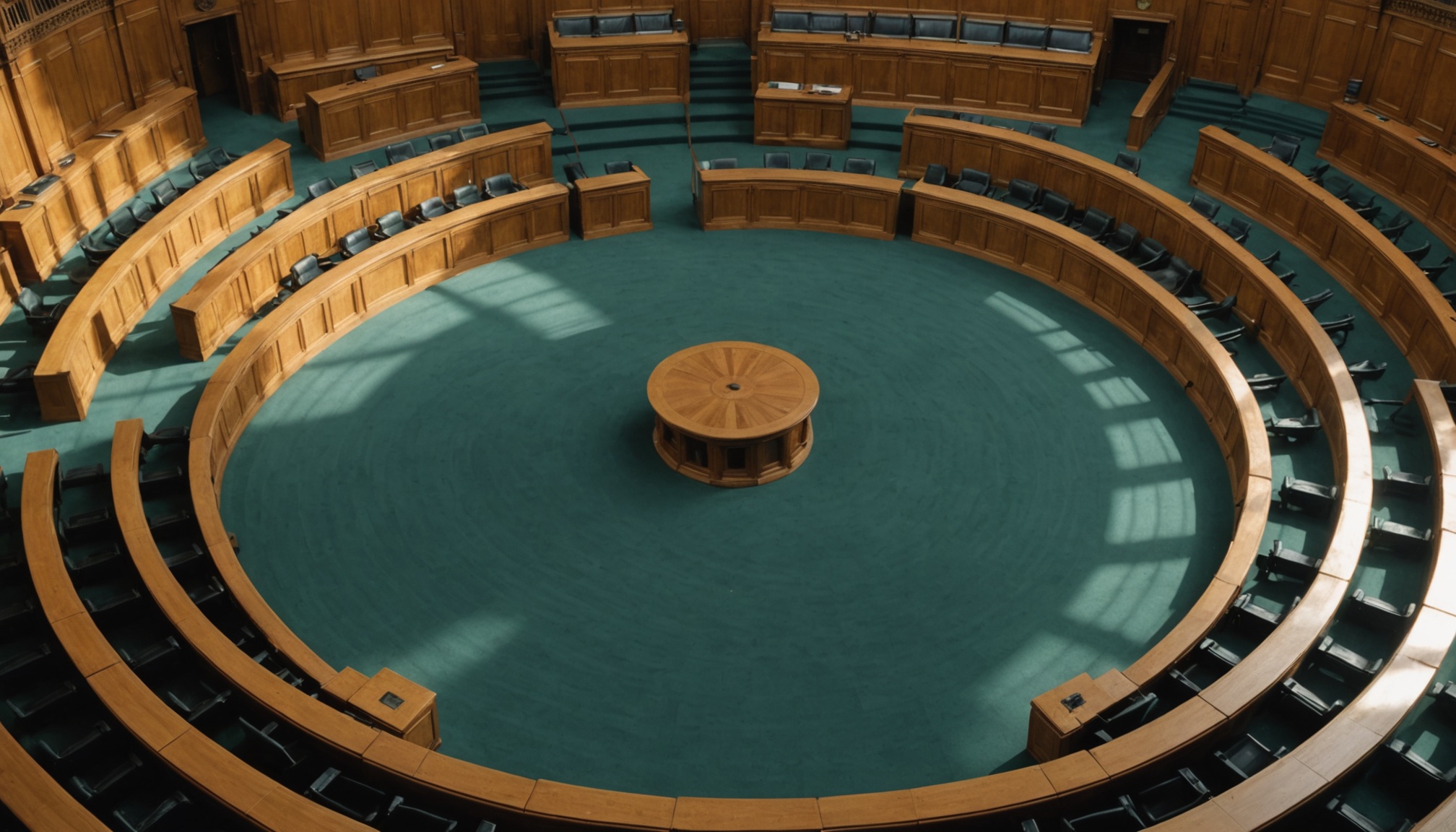
Researchers developed a computational framework combining stylometry, topic modeling, and semantic clustering to analyze 450,000+ speeches from Brazil's Chamber of Deputies (2003–2025), revealing long-term shifts toward shorter, more direct parliamentary discourse and changing legislative priorities.
Modelwire context
ExplainerThe finding that Brazilian parliamentary discourse has grown shorter and more direct over two decades is the buried signal here: that structural shift likely reflects changes in media environment and floor-time incentives, not just ideological realignment, and the paper's multi-method design lets researchers separate those causes in ways single-method approaches cannot.
The closest thread in recent coverage is the MIT Technology Review piece on making AI operational in constrained public sector environments, which flagged that government contexts impose distinct governance and interpretability requirements that differ from commercial deployments. This Brazilian study sits in that same territory but from the research side, demonstrating what large-scale NLP analysis of government records can surface when the constraints are methodological rather than operational. The DiscoTrace framework covered in mid-April, which mapped how humans construct answers using discourse acts and rhetorical structure, is also relevant: both projects treat discourse structure as a measurable object rather than a backdrop.
Watch whether the dataset and pipeline are released publicly. If they are, comparable studies on other Latin American legislatures would follow quickly, and that replication pressure is the real test of whether the methodology holds across different institutional contexts.
This analysis is generated by Modelwire’s editorial layer from our archive and the summary above. It is not a substitute for the original reporting. How we write it.
MentionsBrazilian Chamber of Deputies
Modelwire Editorial
This synthesis and analysis was prepared by the Modelwire editorial team. We use advanced language models to read, ground, and connect the day’s most significant AI developments, providing original strategic context that helps practitioners and leaders stay ahead of the frontier.
Modelwire summarizes, we don’t republish. The full content lives on arxiv.org. If you’re a publisher and want a different summarization policy for your work, see our takedown page.