Microsoft's Project Solara is an Android OS designed for agents instead of apps
Source published ·Modelwire updated
Original coverage: Ars Technica - AI ↗·How Modelwire adds context
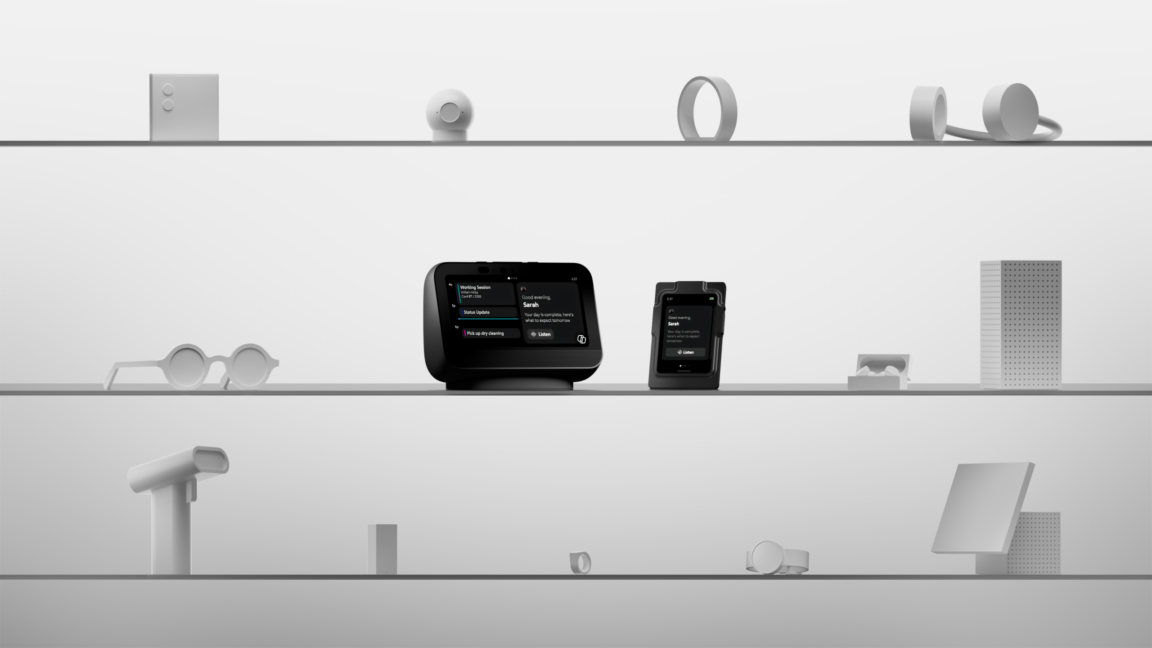
The development
Microsoft is pivoting its mobile strategy away from traditional app-centric design toward an agent-first operating system with Project Solara. Built on Android, the OS prioritizes autonomous AI agents as first-class citizens rather than user-driven applications, signaling a fundamental shift in how major platforms envision human-computer interaction. This move reflects the industry's broader bet that agentic AI will displace conventional app paradigms, positioning Microsoft to compete in a post-app mobile landscape dominated by autonomous task execution rather than manual user workflows.
Modelwire’s AI-generated summary of coverage from Ars Technica - AI.
Modelwire analysis
Analyst takeOur AI-generated reading of the wider context and the next developments to watch.
The detail worth sitting with is that Microsoft is building on Android rather than a clean-slate OS, which means Google retains leverage over the stack even as Microsoft tries to reframe the interaction model around agents instead of apps.
This slots directly into the agent infrastructure story Modelwire has been tracking across hardware and software simultaneously. Nvidia's RTX Spark coverage from June 1 framed the question of where inference happens and who controls the edge stack, and Solara is essentially Microsoft's answer on the software side: if agents are the primary interface, the OS should be designed around them rather than retrofitted. The Hugging Face piece from the same day argued that enterprise AI maturity now depends on agent logic rather than model scale, and Solara operationalizes that thesis at the OS layer. What's missing from the current picture is any signal on developer tooling, which Microsoft was expected to address at Build.
Watch whether Google responds by accelerating its own agent-first Android features within the next two quarters. If Google ships native agent orchestration APIs before Solara reaches developer preview, Microsoft's Android dependency becomes a structural liability rather than a shortcut.
This interpretation is generated from the summary above and available source metadata. Our methodology · Report an error
MentionsMicrosoft · Project Solara · Android
How this coverage is produced
Modelwire uses AI to generate summaries and context from source headlines, snippets, and selected archive coverage. Automated checks do not verify every claim, and items are not routinely reviewed by a person before publication. Zacaria Solis operates the site. Read the linked source for the full evidence and report errors through our corrections process.
Modelwire summarizes, we don’t republish. The full content lives on arstechnica.com. If you’re a publisher and want a different summarization policy for your work, see our takedown page.