Model leadership now lasts weeks, not years
Source published ·Modelwire updated
Original coverage: The Decoder ↗·How Modelwire adds context
The development
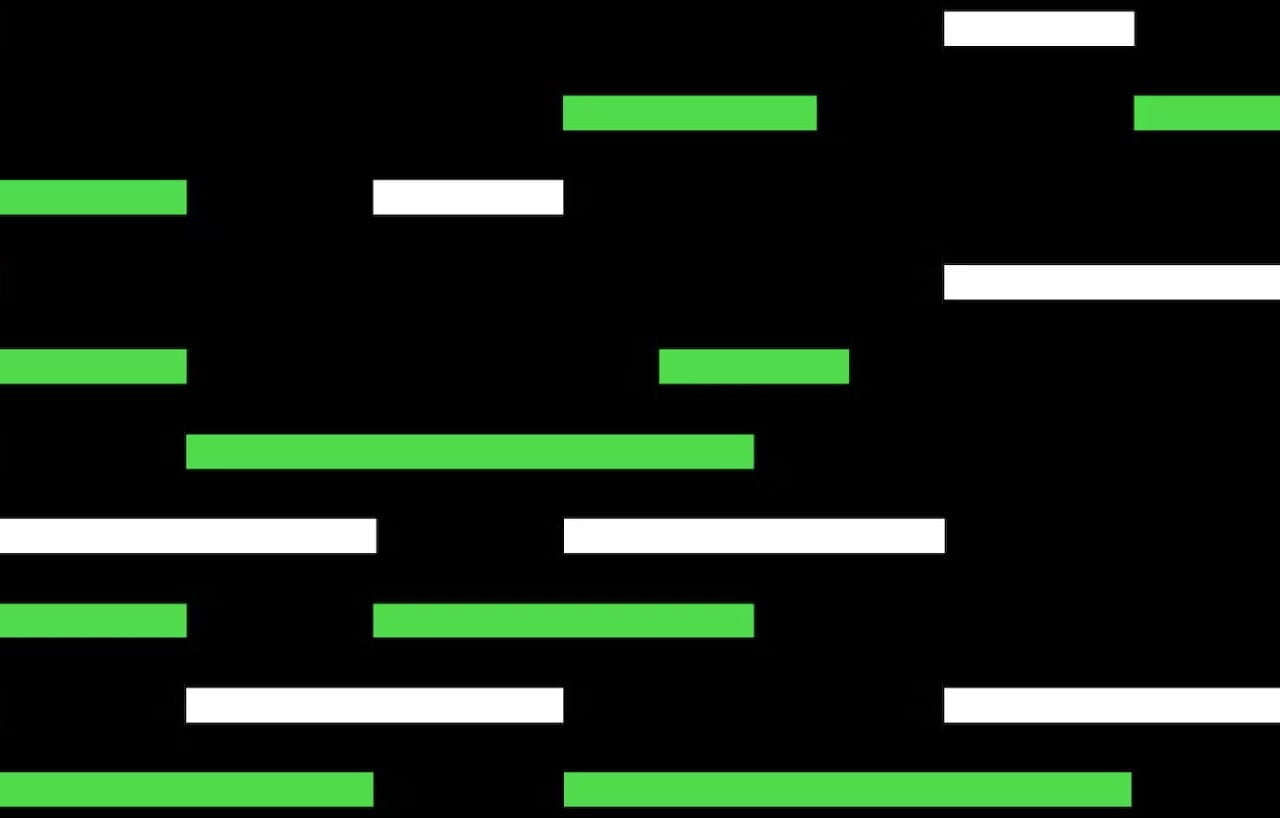
The AI model hierarchy has become radically unstable. GPT-4 held the top ranking for roughly a year, but since Claude 3 Opus emerged in early 2024, leadership has rotated 17 times with a median tenure of seven weeks. This acceleration reflects intensifying competition among frontier labs and narrowing capability gaps between releases. The pattern signals that sustained dominance is now nearly impossible to achieve, forcing builders and enterprises to treat model selection as a moving target rather than a stable strategic choice.
Modelwire’s AI-generated summary of coverage from The Decoder.
Modelwire analysis
Analyst takeOur AI-generated reading of the wider context and the next developments to watch.
The seven-week median tenure figure is striking, but the more consequential implication is what it does to pricing and product strategy: labs can no longer monetize a capability lead long enough to recoup the compute investment before a competitor closes the gap.
OpenAI's move to ship GPT-5.6 as three distinct Pro variants (covered here July 1) reads differently in this light. If raw capability leadership is now measured in weeks, differentiating on feature granularity and tier structure is a rational hedge against the next rotation. The same logic applies to Anthropic: the regulatory clearance for Mythos and Fable (TechCrunch, July 1) matters more when a model's competitive window is short enough that any deployment delay is a meaningful revenue loss. Venice AI's unicorn round, also from July 1, fits the same pattern from the other direction: if top-tier model identity is unstable, privacy and infrastructure lock-in become more durable moats than benchmark position.
Watch whether any frontier lab begins publishing explicit model deprecation timelines shorter than six months. If that happens, it confirms that internal planning horizons have already adjusted to match the external churn rate the Epoch data describes.
This interpretation is generated from the summary above and the archive coverage cited below. Our methodology · Report an error
Coverage behind this analysis
These archive entries ground the connection in our analysis. They are ordered by source publication date, with links to our coverage and the original sources.
·The Decoder
OpenAI paper reveals three GPT-5.6 Pro models, breaking with single top-tier strategy
OpenAI's latest benchmark paper hints at a structural shift in its Pro subscription tier, suggesting GPT-5.6 will ship as three distinct variants rather than a single premium model. This marks the first major departure from ChatGPT Pro's unified positioning since launch. The move signals OpenAI's response to market fragmentation and user demand for differentiated capability…
MentionsOpenAI · GPT-4 · Claude 3 Opus · Anthropic · Epoch Capabilities Index
How this coverage is produced
Modelwire uses AI to generate summaries and context from source headlines, snippets, and selected archive coverage. Automated checks do not verify every claim, and items are not routinely reviewed by a person before publication. Zacaria Solis operates the site. Read the linked source for the full evidence and report errors through our corrections process.
Modelwire summarizes, we don’t republish. The Decoder originally reported this story as “GPT-4's dominance lasted a year while today's top models barely survive seven weeks at the top”. The full content lives on the-decoder.com. If you’re a publisher and want a different summarization policy for your work, see our takedown page.