Nvidia's Groq 3 LPX claims speed lead, but efficiency math favors Cerebras
Source published ·Modelwire updated
Original coverage: The Decoder ↗·How Modelwire adds context
The development
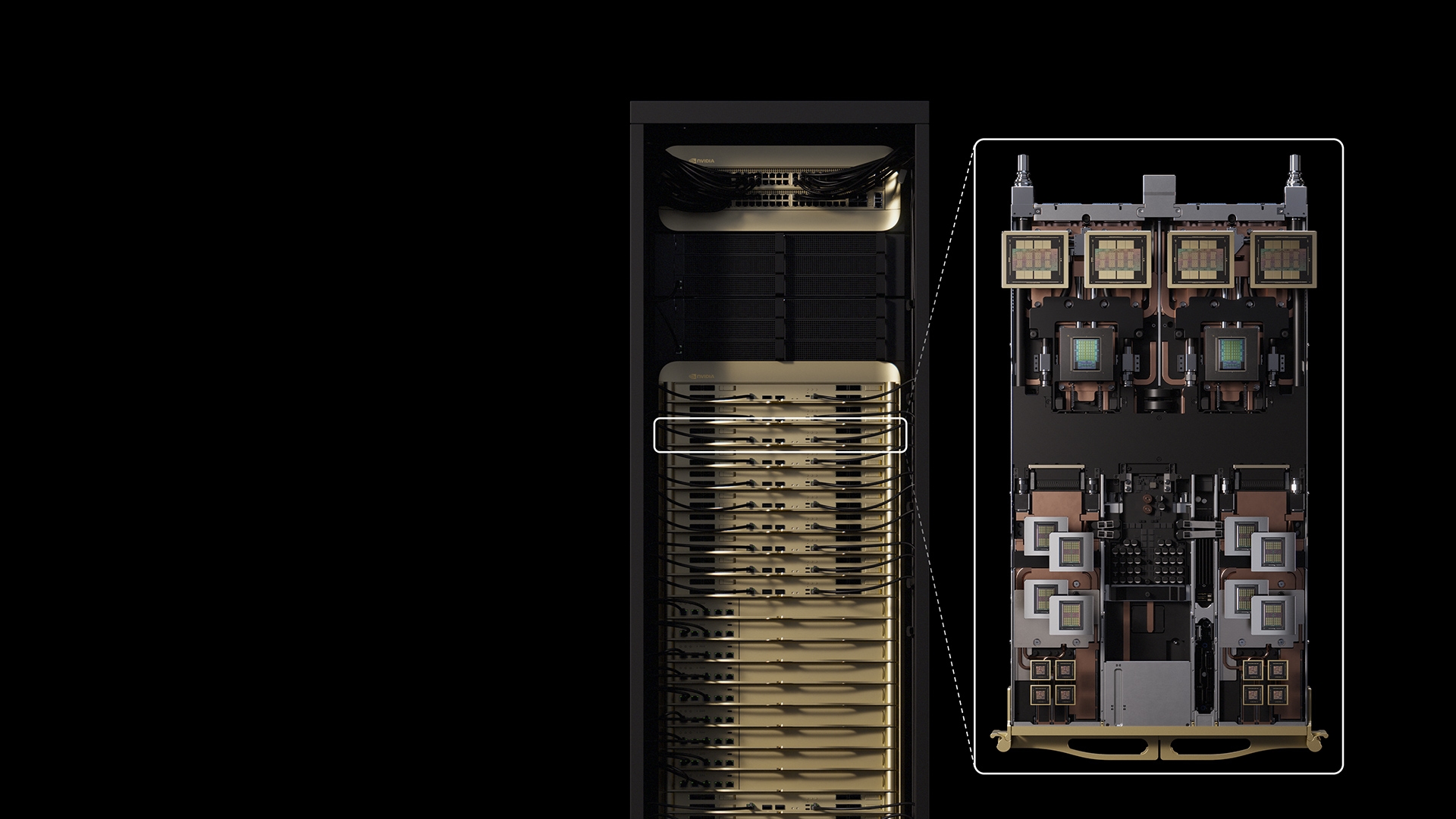
Nvidia's Groq 3 LPX inference accelerator enters production with headline throughput of 3,400 tokens per second on Gemma 4 31B, claiming a 4x advantage over Cerebras. However, the performance gap narrows significantly when accounting for deployment scale: Nvidia requires 64 accelerators to hit that benchmark, while Cerebras achieves comparable results with one or two units. This efficiency disparity raises critical questions about total cost of ownership and practical deployment constraints in production environments, particularly as mixture-of-experts models scale. The story underscores how raw speed metrics can obscure the infrastructure economics that actually drive adoption decisions.
Modelwire’s AI-generated summary of coverage from The Decoder.
Modelwire analysis
Skeptical readOur AI-generated reading of the wider context and the next developments to watch.
Nvidia's real claim isn't speed per chip, it's speed per deployment. The 4x advantage evaporates once you normalize for scale, which means the actual competitive win is architectural (fewer units needed), not raw throughput. That distinction almost never makes it into press releases.
This is largely disconnected from recent activity in the space. We have no prior Modelwire coverage on inference accelerator benchmarking or the Cerebras-versus-Nvidia comparison. However, this story belongs to the broader category of vendor performance claims that require infrastructure context to evaluate. Without related coverage to anchor against, the skeptical read is to flag that throughput benchmarks routinely omit deployment economics, and readers should demand the full picture before treating any single metric as decisive.
If Cerebras publishes a rebuttal benchmark within the next 30 days that disputes Nvidia's test conditions (model version, batch size, precision), that signals the claims are contested enough to warrant independent verification. If neither vendor releases detailed methodology by September 2026, treat the 4x number as marketing positioning, not engineering fact.
This interpretation is generated from the summary above and available source metadata. Our methodology · Report an error
MentionsNvidia · Groq 3 LPX · Cerebras · Gemma 4 31B · The Decoder · The Register
How this coverage is produced
Modelwire uses AI to generate summaries and context from source headlines, snippets, and selected archive coverage. Automated checks do not verify every claim, and items are not routinely reviewed by a person before publication. Zacaria Solis operates the site. Read the linked source for the full evidence and report errors through our corrections process.
Modelwire summarizes, we don’t republish. The Decoder originally reported this story as “Nvidia says its Groq 3 LPX is four times faster than Cerebras, but the math is more complicated”. The full content lives on the-decoder.com. If you’re a publisher and want a different summarization policy for your work, see our takedown page.