NYT slams Microsoft for building copyright-infringing supercomputer for OpenAI
Source published ·Modelwire updated
Original coverage: Ars Technica - AI ↗·How Modelwire adds context
The development
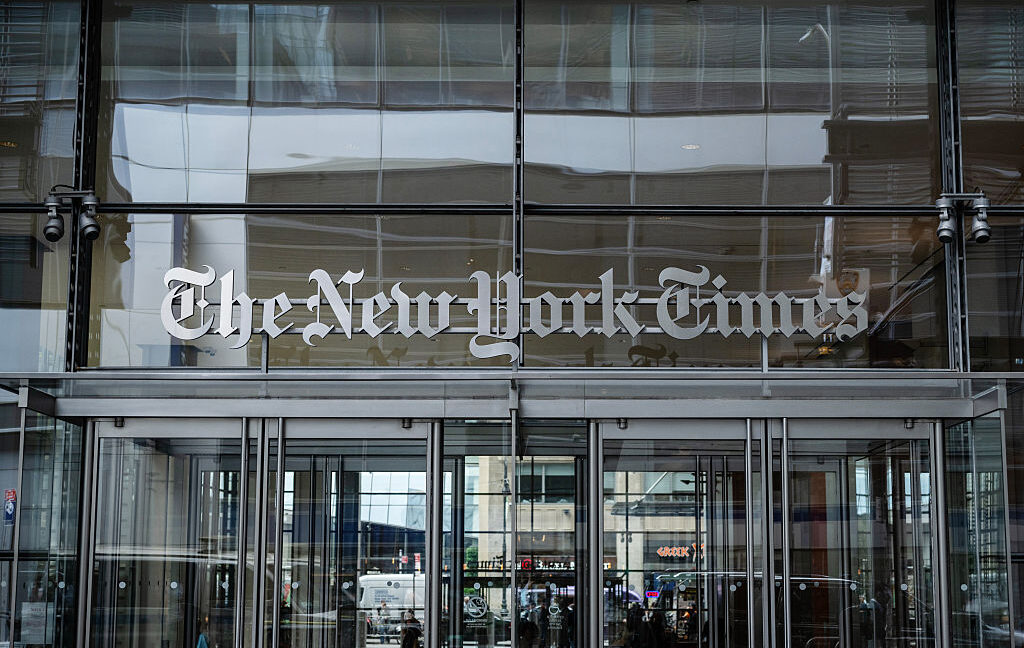
The New York Times has recalibrated its copyright infringement claims against Microsoft and OpenAI following a Supreme Court decision that favored Sony in a separate case. The shift signals how landmark IP rulings are reshaping legal strategy around large-scale AI training infrastructure. Microsoft's custom supercomputer for OpenAI sits at the center of ongoing disputes over whether foundation model training on copyrighted material constitutes fair use. This development matters because it clarifies the legal terrain for how AI labs can legally build and operate training infrastructure, potentially affecting competitive positioning and compliance costs across the sector.
Modelwire’s AI-generated summary of coverage from Ars Technica - AI.
Modelwire analysis
Analyst takeOur AI-generated reading of the wider context and the next developments to watch.
The more precise story here is that NYT's legal team is treating the Sony ruling as a precedent that weakens the fair-use defense Microsoft and OpenAI have leaned on, which means the complaint is being sharpened around the supercomputer as a distinct piece of infringing infrastructure rather than just the model outputs.
This is largely disconnected from recent activity in our archive, as we have no prior coverage of the NYT v. Microsoft/OpenAI litigation or the Sony Supreme Court case to anchor against. What it does belong to is a broader legal arc playing out across the AI industry, where foundation model developers face mounting pressure to quantify the compliance costs of training at scale. The supercomputer framing is notable because it shifts liability upstream, away from model behavior and toward the physical and financial infrastructure decisions that only a handful of companies can afford to make. That framing, if it holds in court, creates a meaningful asymmetry between well-capitalized incumbents who can absorb settlement costs and smaller labs that cannot.
Watch whether Microsoft files a motion to dismiss the amended complaint within 60 days and how specifically it addresses the infrastructure liability theory. If the court allows that framing to survive dismissal, expect other plaintiffs in pending AI copyright cases to adopt similar language quickly.
This interpretation is generated from the summary above and available source metadata. Our methodology · Report an error
MentionsNew York Times · Microsoft · OpenAI · Supreme Court of the United States · Sony
How this coverage is produced
Modelwire uses AI to generate summaries and context from source headlines, snippets, and selected archive coverage. Automated checks do not verify every claim, and items are not routinely reviewed by a person before publication. Zacaria Solis operates the site. Read the linked source for the full evidence and report errors through our corrections process.
Modelwire summarizes, we don’t republish. The full content lives on arstechnica.com. If you’re a publisher and want a different summarization policy for your work, see our takedown page.