Podcast: How Deepfakes Destroyed a High School
Source published ·Modelwire updated
Original coverage: 404 Media ↗·How Modelwire adds context
The development
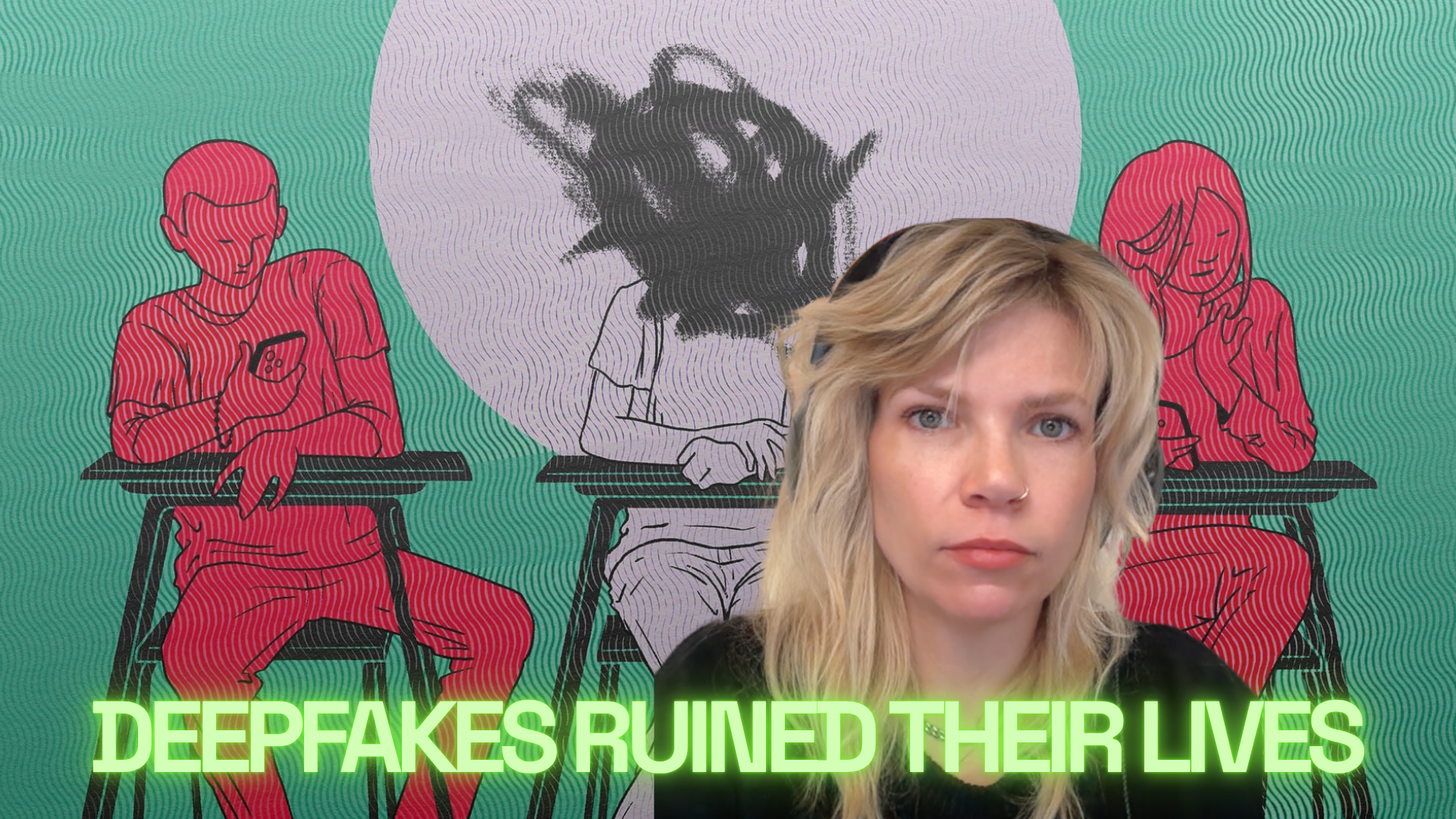
Deepfake technology has crossed into K-12 education, with a high school experiencing significant disruption from synthetic media targeting students and staff. The incident underscores how generative AI tools, once confined to research labs and tech discourse, now pose immediate reputational and psychological harm in institutional settings. Simultaneously, BusPatrol's integration of AI-powered camera surveillance with law enforcement data sharing raises questions about consent, mission creep, and the normalization of automated monitoring in spaces designed for minors. Together these stories signal a critical inflection point: AI harms are no longer hypothetical or distant, but embedded in everyday infrastructure that touches millions of young people daily.
Modelwire’s AI-generated summary of coverage from 404 Media.
Modelwire analysis
ExplainerOur AI-generated reading of the wider context and the next developments to watch.
The more underreported half of this story is BusPatrol: a company using AI camera systems on school buses and sharing that data with law enforcement, which means minors are being enrolled in surveillance infrastructure without any meaningful consent framework, often before they are old enough to understand what that means.
Modelwire has no prior coverage directly on this story, so it sits largely disconnected from recent activity in our archive. It belongs, however, to a broader and accelerating pattern in AI policy: the gap between how fast generative and surveillance tools reach institutional deployment and how slowly legal protections for affected populations follow. The deepfake incident is the visible, emotionally legible harm; the BusPatrol data-sharing arrangement is the quieter, structural one. Both illustrate the same failure mode, which is that schools are absorbing AI risk without the resources, legal standing, or technical literacy to manage it.
Watch whether any state legislature introduces a bill specifically restricting law enforcement data-sharing agreements with school-contracted AI vendors within the next 12 months. If none materialize despite this coverage, it signals that the policy response is lagging the deployment curve by more than a single news cycle.
This interpretation is generated from the summary above and available source metadata. Our methodology · Report an error
MentionsBusPatrol · deepfakes
How this coverage is produced
Modelwire uses AI to generate summaries and context from source headlines, snippets, and selected archive coverage. Automated checks do not verify every claim, and items are not routinely reviewed by a person before publication. Zacaria Solis operates the site. Read the linked source for the full evidence and report errors through our corrections process.
Modelwire summarizes, we don’t republish. The full content lives on 404media.co. If you’re a publisher and want a different summarization policy for your work, see our takedown page.