Samsung may be bracing for first-ever annual loss in smartphone business
Source published ·Modelwire updated
Original coverage: Ars Technica — AI ↗·How Modelwire adds context
The development
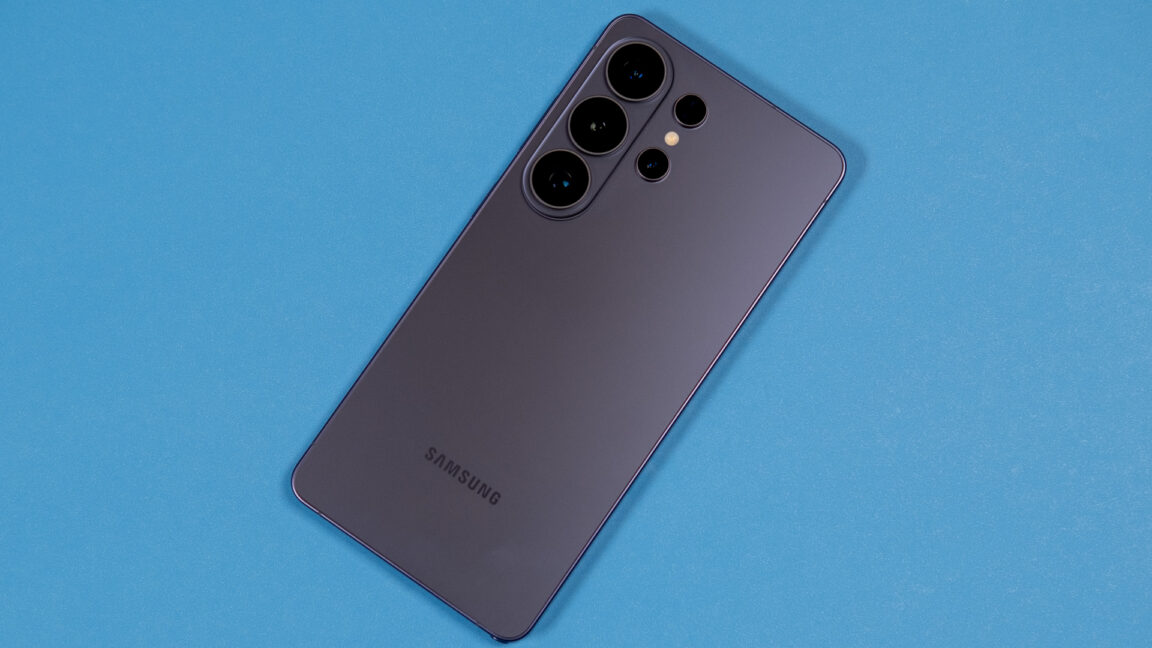
Samsung faces potential first annual loss in smartphones as AI-driven demand for memory chips strains production capacity and margins. The memory shortage, fueled by AI infrastructure buildout, is reshaping the competitive dynamics of consumer device makers dependent on chip supply.
Modelwire’s AI-generated summary of coverage from Ars Technica — AI.
Modelwire analysis
Analyst takeOur AI-generated reading of the wider context and the next developments to watch.
The buried angle here isn't Samsung's potential loss itself but the mechanism: Samsung is effectively being squeezed by a demand signal it helped create. Its own memory chips are being prioritized for AI infrastructure customers at margins that make consumer smartphone supply both scarce and expensive.
This story lands directly on top of our April 18 coverage of the RAM shortage from The Verge, which reported DRAM suppliers will meet only 60% of global demand by end-2027, with shortages potentially running to 2030. That piece framed the crunch as an AI infrastructure problem; Samsung's potential smartphone loss shows the consumer hardware casualty list is already forming. SK Hynix and Micron face the same structural tension, but Samsung's vertical integration in both chips and handsets makes the internal conflict sharper. The Cerebras IPO coverage from the same week adds context: specialized AI hardware players are attracting capital precisely because general-purpose chipmakers are capacity-constrained and prioritizing higher-margin customers.
Watch Samsung's Q2 2026 earnings call for any explicit guidance on smartphone unit allocation versus HBM and data center memory. If management quantifies the trade-off in volume terms, that confirms the squeeze is structural rather than a one-quarter inventory correction.
This interpretation is generated from the summary above and the archive coverage cited below. Our methodology · Report an error
Coverage behind this analysis
These archive entries ground the connection in our analysis. They are ordered by source publication date, with links to our coverage and the original sources.
·The Verge — AI
The RAM shortage could last years
DRAM suppliers will only meet 60% of global demand by end-2027, with SK Group warning shortages could persist until 2030. Samsung, SK Hynix, and Micron are ramping production but face a multi-year capacity crunch affecting AI infrastructure buildout.
MentionsSamsung
How this coverage is produced
Modelwire uses AI to generate summaries and context from source headlines, snippets, and selected archive coverage. Automated checks do not verify every claim, and items are not routinely reviewed by a person before publication. Zacaria Solis operates the site. Read the linked source for the full evidence and report errors through our corrections process.
Modelwire summarizes, we don’t republish. The full content lives on arstechnica.com. If you’re a publisher and want a different summarization policy for your work, see our takedown page.