Samsung scales memory production to feed AI chip demand
Source published ·Modelwire updated
Original coverage: MIT Technology Review - AI ↗·How Modelwire adds context
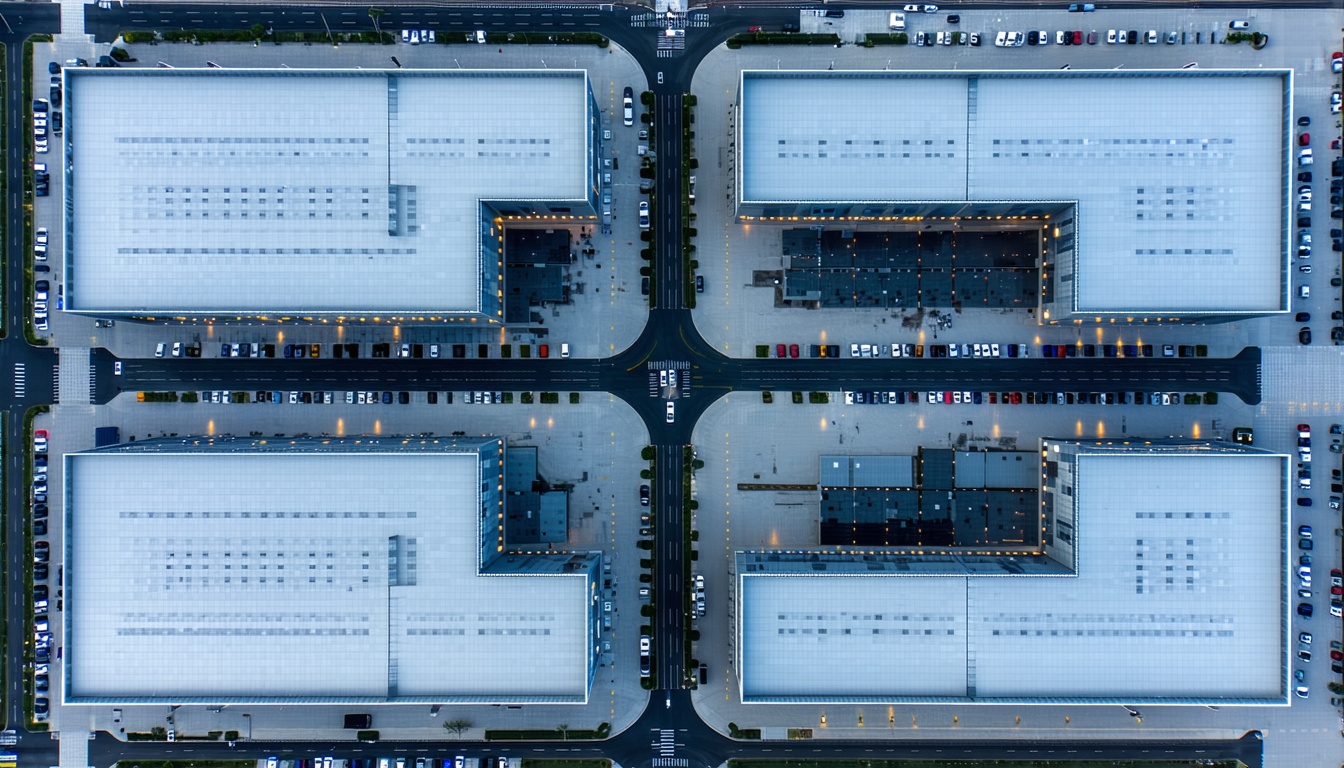
The development
Samsung's expansion of its Pyeongtaek semiconductor complex directly addresses a critical bottleneck in AI infrastructure. High-bandwidth memory (HBM) chips are essential components in GPU packages that power large language models and generative AI workloads. With three fabs already operating continuously and a fourth coming online, Samsung is positioning itself as a key supplier for the memory-constrained phase of AI scaling. This capacity play matters because memory bandwidth, not compute alone, increasingly limits model training and inference performance. The move signals confidence that AI demand will sustain, and reflects competitive pressure from NVIDIA's supply chain partnerships and rival memory makers.
Modelwire’s AI-generated summary of coverage from MIT Technology Review - AI.
Modelwire analysis
Analyst takeOur AI-generated reading of the wider context and the next developments to watch.
The story focuses on Samsung's output capacity, but the more consequential question is yield: Samsung has trailed SK Hynix on HBM3E qualification with NVIDIA, and adding fab square footage doesn't resolve that gap unless the process defect rates improve alongside volume.
This connects directly to two threads already on Modelwire. Meta's AMD co-design paper from mid-October highlighted that the MI350X's 1.6x memory density advantage is a real architectural differentiator, which means HBM supply competition isn't just an NVIDIA story anymore. AMD scaling its training footprint creates a second major qualification track that Samsung could pursue if it can't close the yield gap with NVIDIA's supply chain. Separately, the fossil fuel comeback piece from October 19 is relevant context here: Pyeongtaek's expansion adds enormous power draw to South Korea's grid, and the same energy infrastructure constraints shaping U.S. data center buildout apply to fab-dense industrial clusters in Asia, though the policy environment differs significantly.
Watch whether Samsung receives a meaningful HBM3E volume allocation from NVIDIA for the next Blackwell refresh cycle. If SK Hynix retains dominant share through mid-2027, the Pyeongtaek expansion will have added capacity without capturing the margin-rich contracts that justify it.
This interpretation is generated from the summary above and the archive coverage cited below. Our methodology · Report an error
Coverage behind this analysis
These archive entries ground the connection in our analysis. They are ordered by source publication date, with links to our coverage and the original sources.
·arXiv cs.LG
Meta optimizes AMD GPUs to escape NVIDIA dependency in training
Meta's infrastructure strategy hinges on breaking free from NVIDIA's gravitational pull by operationalizing AMD and custom accelerators at scale. This paper codifies the engineering principles required to make that transition real: hardware-model co-design that treats accelerator strengths as first-class constraints rather than afterthoughts, plus analytical performance modeling that eliminates trial-and-error tuning. The MI350X case study…
MentionsSamsung · Pyeongtaek · GPU · HBM
How this coverage is produced
Modelwire uses AI to generate summaries and context from source headlines, snippets, and selected archive coverage. Automated checks do not verify every claim, and items are not routinely reviewed by a person before publication. Zacaria Solis operates the site. Read the linked source for the full evidence and report errors through our corrections process.
Modelwire summarizes, we don’t republish. MIT Technology Review - AI originally reported this story as “A visit to Samsung’s massive new semiconductor hub”. The full content lives on technologyreview.com. If you’re a publisher and want a different summarization policy for your work, see our takedown page.