Something’s off with Midjourney’s pivot to body scanners
Source published ·Modelwire updated
Original coverage: The Verge - AI ↗·How Modelwire adds context
The development
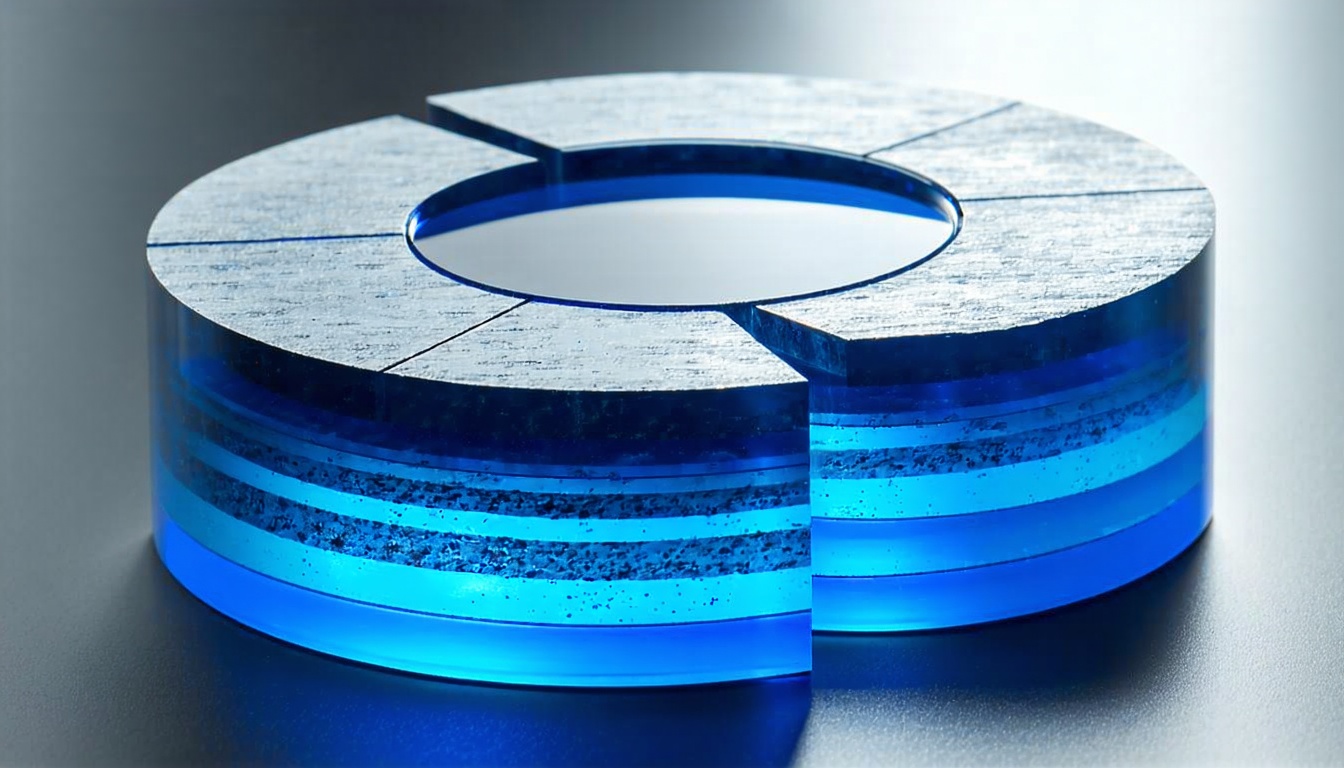
Midjourney's shift into medical imaging hardware signals a broader trend of generative AI companies diversifying beyond software into capital-intensive verticals. The company's ultrasound scanner concept, which combines water immersion with AI-driven imaging to rival MRI capabilities, represents a strategic bet that generative models can unlock new hardware categories. For the AI landscape, this matters because it tests whether image-generation expertise translates to regulated medical devices, and whether consumer-facing AI startups can sustain margins in hardware-dependent markets. Success would validate a playbook for AI-first companies entering healthcare; failure could signal overreach.
Modelwire’s AI-generated summary of coverage from The Verge - AI.
Modelwire analysis
Skeptical readOur AI-generated reading of the wider context and the next developments to watch.
The buried issue here is regulatory reality: medical imaging devices require FDA 510(k) clearance or PMA approval, a process that typically runs two to five years and demands clinical trial data that a generative AI image company has no obvious track record producing. The 'rivals MRI' framing does a lot of work without any supporting evidence.
This is largely disconnected from recent activity in our archive. It belongs to a broader pattern, visible across the AI industry but not yet covered here, of software-native AI companies announcing hardware ambitions before demonstrating the operational infrastructure to execute them. The medical device space is a particularly unforgiving test case because the feedback loop is not user engagement metrics but regulatory approval and clinical outcomes. Midjourney's core competency is training generative image models on aesthetic data, which is a genuinely different discipline from building validated diagnostic hardware.
Watch whether Midjourney names an FDA regulatory strategy or a manufacturing partner within the next six months. Without either, this stays in concept territory regardless of how compelling the prototype imaging looks.
This interpretation is generated from the summary above and available source metadata. Our methodology · Report an error
MentionsMidjourney · MRI
How this coverage is produced
Modelwire uses AI to generate summaries and context from source headlines, snippets, and selected archive coverage. Automated checks do not verify every claim, and items are not routinely reviewed by a person before publication. Zacaria Solis operates the site. Read the linked source for the full evidence and report errors through our corrections process.
Modelwire summarizes, we don’t republish. The full content lives on theverge.com. If you’re a publisher and want a different summarization policy for your work, see our takedown page.