Springfield council arrests residents over Flock surveillance debate
Source published ·Modelwire updated
Original coverage: 404 Media ↗·How Modelwire adds context
The development
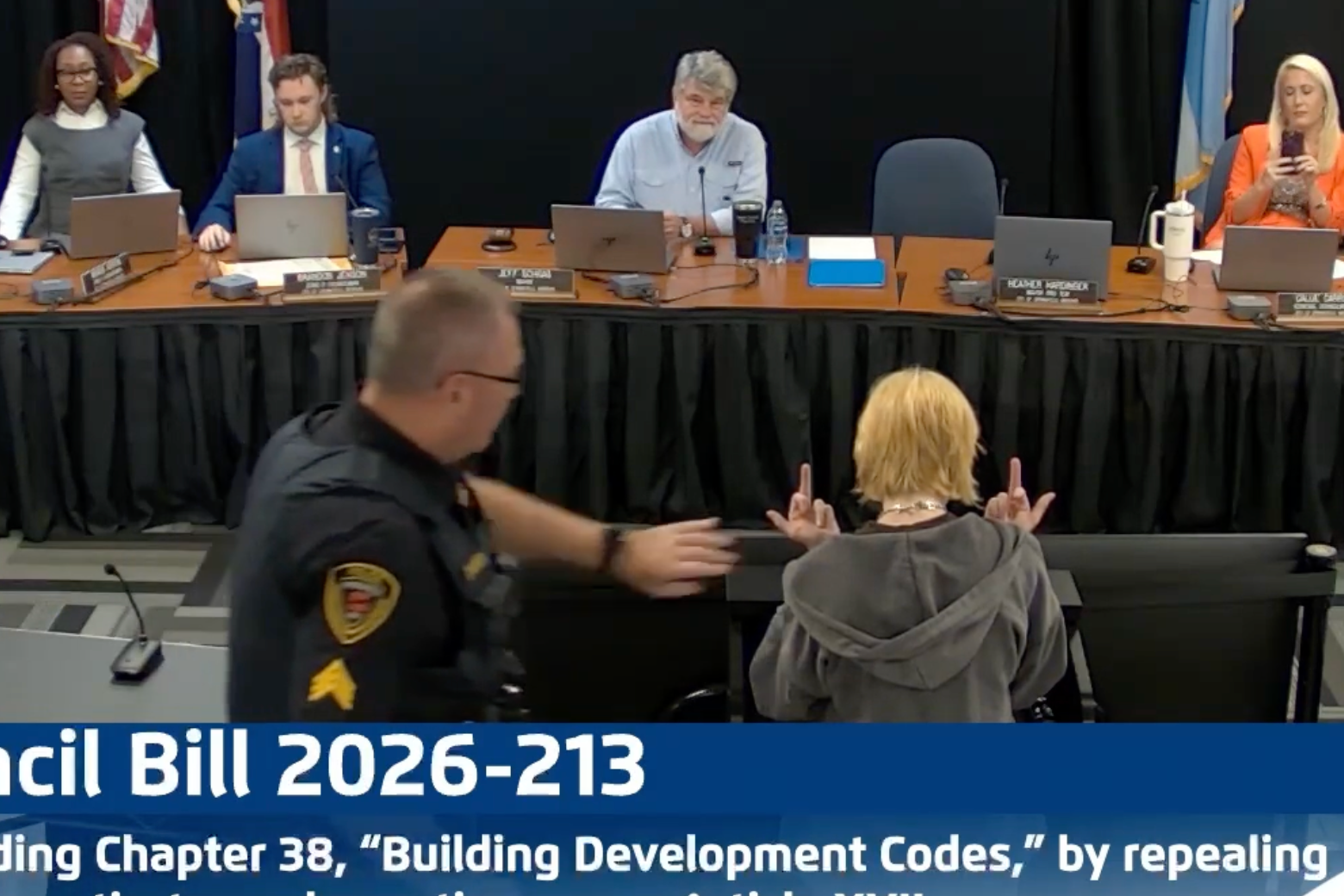
Springfield, Missouri's city council blocked public comment on the municipality's Flock surveillance camera contract, then arrested residents who persisted in speaking. The incident highlights a critical governance gap: as AI-powered surveillance systems proliferate in local government, many jurisdictions lack transparent processes for community input on deployment decisions. This pattern of suppressed debate over automated monitoring infrastructure raises questions about how cities are adopting these tools without meaningful democratic oversight, and whether arrest becomes a tool to silence technical accountability.
Modelwire’s AI-generated summary of coverage from 404 Media.
Modelwire analysis
Analyst takeOur AI-generated reading of the wider context and the next developments to watch.
The arrest signals that suppressing public input on surveillance contracts may be becoming a deliberate municipal tactic, not a procedural accident. Springfield's city council didn't just deny comment; it criminalized persistence, suggesting that surveillance vendors and local governments may be coordinating to bypass accountability mechanisms entirely.
This pattern mirrors what we've seen with YouTube's recent creator tools rollout (September 23). YouTube shifted from neutral distribution to prescriptive algorithmic guidance, consolidating control over what gets amplified while framing it as user empowerment. Similarly, municipalities are adopting Flock and similar systems while actively narrowing the channels through which residents can contest those choices. In both cases, platforms are embedding automation into workflows (YouTube into creator production, Flock into municipal surveillance) and treating transparency requests as friction to be eliminated rather than feedback to be processed. The difference: YouTube's users can theoretically switch platforms; Springfield residents cannot.
If Springfield's city council approves the Flock contract without reopening public comment, and if other municipalities cite this precedent to block surveillance debates in their own council meetings within the next six months, that confirms surveillance adoption is becoming deliberately insulated from democratic input. If any city council explicitly references 'operational efficiency' or 'preventing disruption' as justification for closed-door surveillance votes, that's the language that matters.
This interpretation is generated from the summary above and the archive coverage cited below. Our methodology · Report an error
Coverage behind this analysis
These archive entries ground the connection in our analysis. They are ordered by source publication date, with links to our coverage and the original sources.
·The Verge - AI
YouTube deploys AI to prescribe creator strategy and content decisions
YouTube is automating creator workflows through AI-powered recommendation and optimization tools unveiled at its annual creator summit. The platform is shifting from passive algorithm exposure to active prescriptive guidance, telling creators what content formats, topics, and posting strategies will maximize reach. This represents a significant consolidation of platform power: YouTube moves from neutral distribution mechanism…
MentionsFlock · Springfield, Missouri · City Council
How this coverage is produced
Modelwire uses AI to generate summaries and context from source headlines, snippets, and selected archive coverage. Automated checks do not verify every claim, and items are not routinely reviewed by a person before publication. Zacaria Solis operates the site. Read the linked source for the full evidence and report errors through our corrections process.
Modelwire summarizes, we don’t republish. 404 Media originally reported this story as “Woman Arrested After City Council Denies Residents Right to Speak on Flock Cameras”. The full content lives on 404media.co. If you’re a publisher and want a different summarization policy for your work, see our takedown page.