Stylistic-STORM (ST-STORM) : Perceiving the Semantic Nature of Appearance
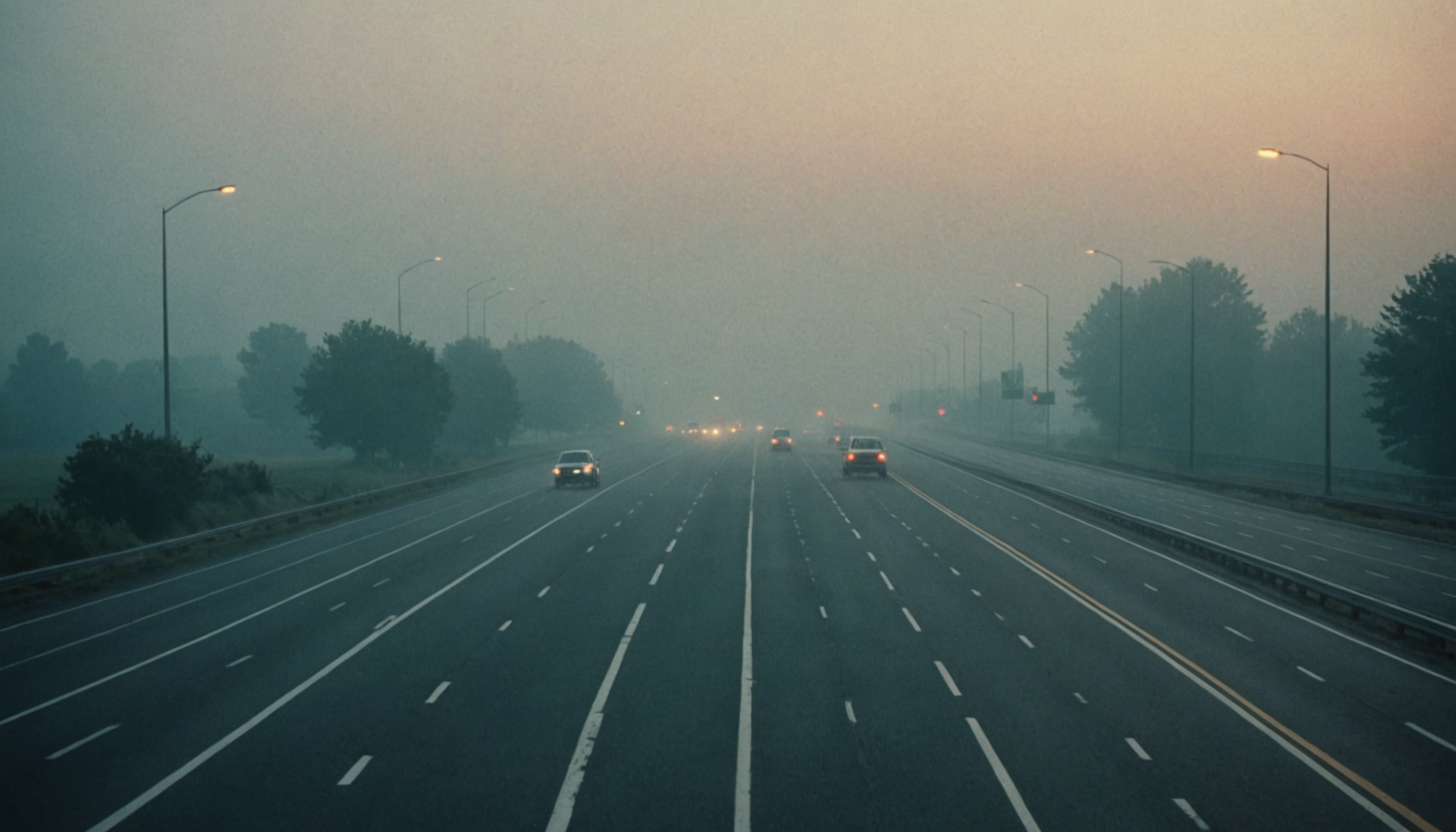
Researchers propose ST-STORM, a self-supervised learning approach that preserves appearance-related features instead of discarding them as noise. Unlike MoCo and DINO, the method captures weather and atmospheric cues critical for autonomous driving and weather analysis, where visual conditions directly affect safety and prediction accuracy.
Modelwire context
ExplainerThe conceptual inversion here is worth dwelling on: most self-supervised vision methods are explicitly designed to be invariant to lighting, weather, and viewpoint, treating those variations as distractions from 'true' object identity. ST-STORM argues that for certain real-world tasks, that invariance is the bug, not the feature.
The autonomous driving angle connects directly to the low-cost driving pattern recognition system covered from arXiv on April 16, which also highlighted the gap between controlled-environment ML assumptions and messy real-world road conditions. That paper tackled behavioral classification; ST-STORM addresses the perceptual layer beneath it. Together they sketch a broader problem: production driving systems need models that are honest about environmental context, not ones that paper over it. The rest of this week's coverage is largely disconnected from this thread, sitting closer to product launches and market commentary than to perception research.
The real test is whether ST-STORM's appearance-preserving representations hold up on established autonomous driving benchmarks like nuScenes or ACDC, which include explicit adverse-weather splits. If published results on those benchmarks appear within the next two conference cycles, the method has cleared the minimum bar for practical relevance.
Coverage we drew on
This analysis is generated by Modelwire’s editorial layer from our archive and the summary above. It is not a substitute for the original reporting. How we write it.
MentionsST-STORM · MoCo · DINO · self-supervised learning
Modelwire Editorial
This synthesis and analysis was prepared by the Modelwire editorial team. We use advanced language models to read, ground, and connect the day’s most significant AI developments, providing original strategic context that helps practitioners and leaders stay ahead of the frontier.
Modelwire summarizes, we don’t republish. The full content lives on arxiv.org. If you’re a publisher and want a different summarization policy for your work, see our takedown page.