Suno's leaked code confirms large-scale music scraping without licensing
Source published ·Modelwire updated
Original coverage: 404 Media ↗·How Modelwire adds context
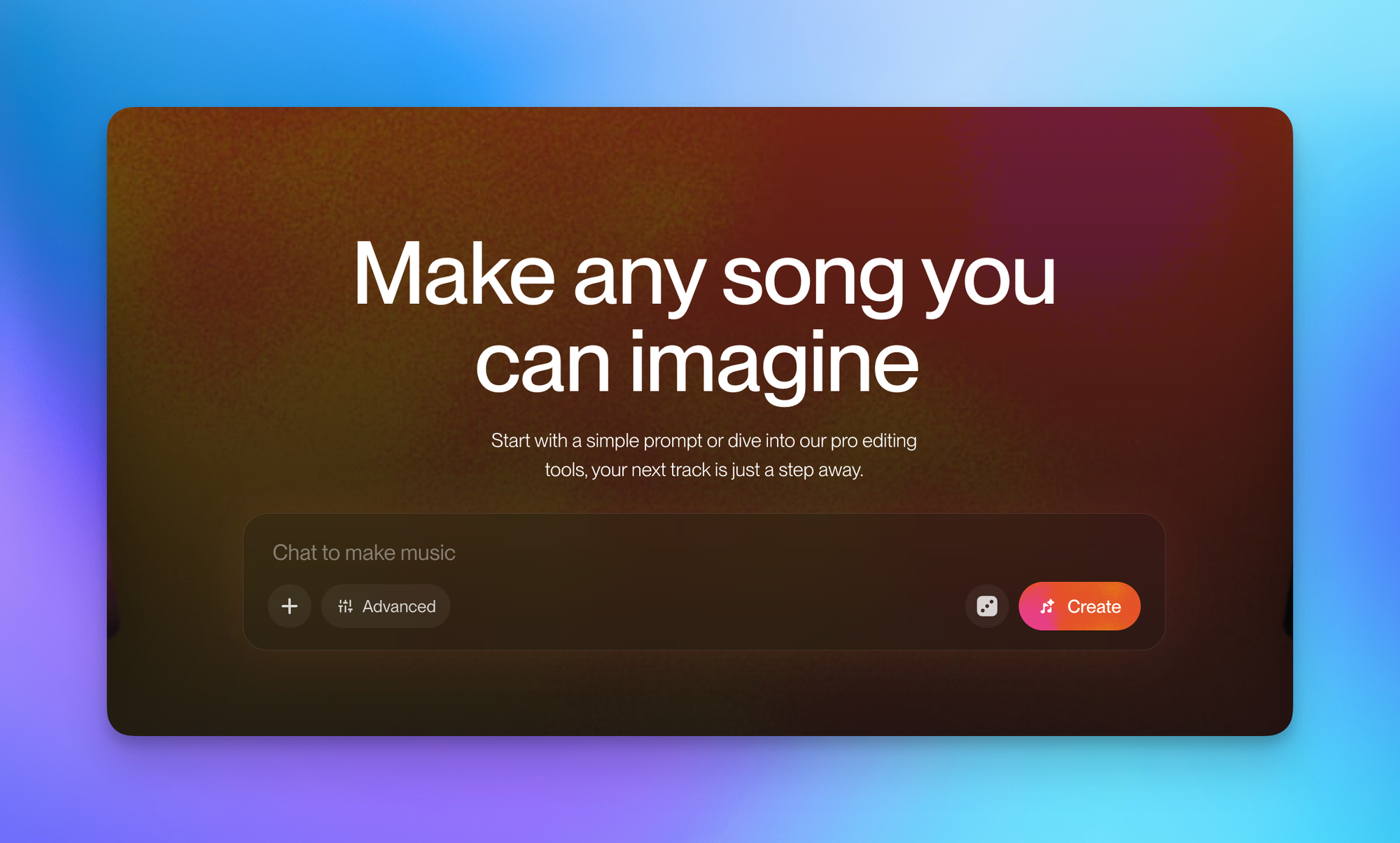
The development
Leaked Suno source code exposes the music generator's training pipeline, confirming systematic scraping of YouTube, Deezer, and Genius spanning decades of recordings and metadata. The disclosure intensifies ongoing scrutiny of generative AI training practices and raises fresh questions about consent and licensing in the music industry. For model builders, the incident underscores how training data provenance remains a vulnerability; for rights holders, it validates concerns that commercial AI tools operate on unlicensed material at scale. This sits at the intersection of technical transparency and copyright enforcement, likely to fuel regulatory pressure on generative AI companies.
Modelwire’s AI-generated summary of coverage from 404 Media.
Modelwire analysis
Analyst takeOur AI-generated reading of the wider context and the next developments to watch.
The significance here isn't just that scraping happened, it's that source code exposure makes the practice legally documentable in a way that internal whistleblowers or circumstantial evidence never could. Rights holders now have the kind of artifact that turns a civil complaint into a straightforward discovery request.
This is largely disconnected from recent activity in our archive, as Modelwire has no prior coverage to anchor it to. It belongs, however, to a well-established pattern playing out across the broader generative AI industry: training data provenance disputes that began with image generators (Stability AI, Midjourney) and text models (The New York Times v. OpenAI) are now arriving in force for audio. The music industry has historically been more litigious and better organized around licensing than visual arts, which means Suno's exposure may produce faster legal resolution than comparable cases in other modalities.
Watch whether the Recording Industry Association of America or any major label files an amended complaint citing the leaked source code within the next 90 days. If they do, it signals that rights holders treat this disclosure as the evidentiary threshold they were waiting for, and other generative audio companies should expect similar scrutiny of their own pipelines.
This interpretation is generated from the summary above and available source metadata. Our methodology · Report an error
MentionsSuno · YouTube · Deezer · Genius · 404 Media
How this coverage is produced
Modelwire uses AI to generate summaries and context from source headlines, snippets, and selected archive coverage. Automated checks do not verify every claim, and items are not routinely reviewed by a person before publication. Zacaria Solis operates the site. Read the linked source for the full evidence and report errors through our corrections process.
Modelwire summarizes, we don’t republish. 404 Media originally reported this story as “Hack Reveals Suno AI Music Generator Scraped YouTube, Deezer, and Genius”. The full content lives on 404media.co. If you’re a publisher and want a different summarization policy for your work, see our takedown page.