Teaching AI to run with the turbines
Source published ·Modelwire updated
Original coverage: MIT Technology Review - AI ↗·How Modelwire adds context
The development
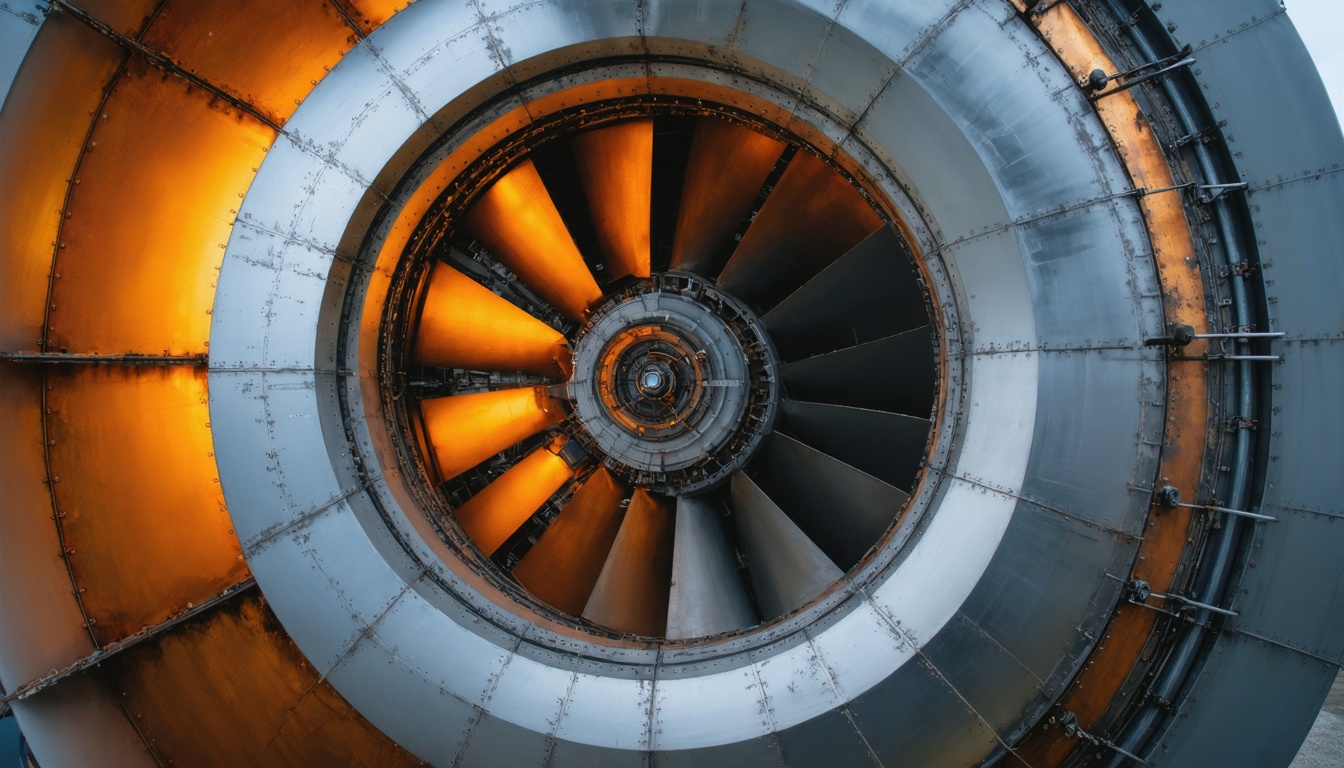
AI is moving beyond consumer applications into critical industrial infrastructure, where it functions as a foundational operational layer rather than a peripheral tool. The piece examines how machine learning systems are being deployed in energy generation and other high-stakes sectors where downtime, safety failures, and system reliability carry severe consequences. This shift signals a maturation of AI deployment patterns, moving from novelty to mission-critical backbone status in industries where physical systems and continuous operation are non-negotiable.
Modelwire’s AI-generated summary of coverage from MIT Technology Review - AI.
Modelwire analysis
Analyst takeOur AI-generated reading of the wider context and the next developments to watch.
The buried angle here is liability: industrial deployments in energy generation operate under regulatory regimes, insurance requirements, and safety standards that consumer AI has never faced, meaning the governance question is not abstract but contractual and legally binding from day one.
This sits in direct tension with the Platformer piece from July 2nd on the AI backlash, which argued that externalities are accumulating faster than mitigation frameworks can address them. Industrial deployments accelerate that problem rather than solve it, because a failure in a turbine control loop carries consequences that a chatbot hallucination does not. The WIRED story on AI incident reporting infrastructure (July 1st) becomes more urgent in this context: the distributed monitoring model it describes was designed with consumer misuse in mind, and it is not obvious that same architecture scales to continuous industrial operations where incidents may be physical rather than informational. The human-in-the-loop research from arXiv (July 1st) is also relevant, since injecting domain expertise into ML workflows is precisely the kind of practice that mission-critical industrial deployments would need to formalize.
Watch whether energy sector regulators in the EU or US issue specific certification requirements for AI in grid-connected infrastructure within the next 12 months. If they do, that will force a compliance layer that reshapes vendor contracts and potentially slows deployment timelines regardless of technical readiness.
This interpretation is generated from the summary above and the archive coverage cited below. Our methodology · Report an error
Coverage behind this analysis
These archive entries ground the connection in our analysis. They are ordered by source publication date, with links to our coverage and the original sources.
·Platformer
Why the tech industry can't keep up with the AI backlash
The AI industry faces a widening gap between the pace of capability deployment and its ability to mitigate downstream harms. Externalities spanning labor displacement, environmental cost, misinformation, and data provenance are accumulating faster than technical solutions or policy frameworks can address them. This structural lag creates strategic pressure on vendors to either slow rollout cycles,…
MentionsMIT Technology Review · AI
How this coverage is produced
Modelwire uses AI to generate summaries and context from source headlines, snippets, and selected archive coverage. Automated checks do not verify every claim, and items are not routinely reviewed by a person before publication. Zacaria Solis operates the site. Read the linked source for the full evidence and report errors through our corrections process.
Modelwire summarizes, we don’t republish. The full content lives on technologyreview.com. If you’re a publisher and want a different summarization policy for your work, see our takedown page.