Ten Chinese firms including ByteDance reportedly get US clearance for AI chips they're not allowed to accept
Source published ·Modelwire updated
Original coverage: The Decoder ↗·How Modelwire adds context
The development
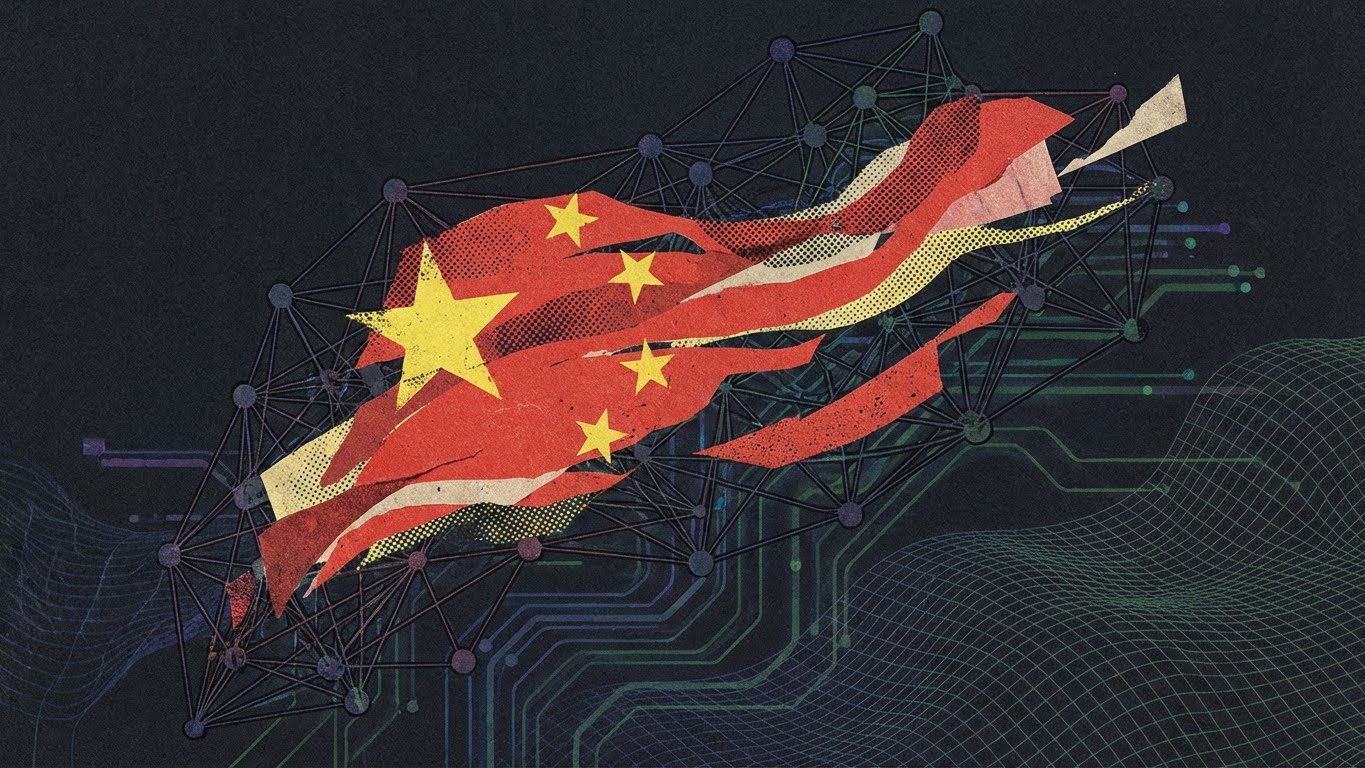
A geopolitical reversal is unfolding in AI chip access. The US Commerce Department approved ten major Chinese tech firms, including ByteDance, Alibaba, and Tencent, to purchase up to 75,000 Nvidia H200 accelerators each, yet Beijing has blocked the transactions to shield domestic semiconductor makers from foreign competition. This standoff reveals the fragility of US export controls as a lever over Chinese AI development. Rather than securing strategic advantage, the clearance exposes how both governments weaponize chip flows, leaving multinational AI infrastructure plans in limbo and raising questions about whether unilateral export restrictions can survive bilateral economic pressure.
Modelwire’s AI-generated summary of coverage from The Decoder.
Modelwire analysis
Analyst takeOur AI-generated reading of the wider context and the next developments to watch.
The more striking detail is that Beijing's block appears designed to protect domestic chipmakers like Huawei's Ascend division, meaning China's government is effectively doing US export control enforcement's job for it, but for entirely different strategic reasons. The US clearance, far from being a concession, may have been calculated to expose exactly this dynamic.
Modelwire has no prior coverage to anchor this to directly, so it sits in a broader story arc that the site hasn't yet tracked: the slow collapse of unilateral chip restriction as a reliable policy instrument. The relevant context lives outside our archive, in the months-long back-and-forth over the Biden-era diffusion rules, their partial rollback under the current administration, and Nvidia's repeated attempts to design export-compliant chips that still satisfy Chinese buyers. What this story adds to that arc is a concrete case where both governments' incentives diverged so sharply that a transaction cleared one border and was stopped at the other, leaving the companies holding approved paperwork they cannot use.
Watch whether ByteDance or Alibaba publicly disclose alternative procurement routes, specifically Huawei Ascend 910C orders, within the next two quarters. That would confirm Beijing's block is a deliberate industrial policy push rather than a temporary negotiating posture.
This interpretation is generated from the summary above and available source metadata. Our methodology · Report an error
MentionsByteDance · Alibaba · Tencent · Nvidia H200 · US Commerce Department · Gina Lutnick
How this coverage is produced
Modelwire uses AI to generate summaries and context from source headlines, snippets, and selected archive coverage. Automated checks do not verify every claim, and items are not routinely reviewed by a person before publication. Zacaria Solis operates the site. Read the linked source for the full evidence and report errors through our corrections process.
Modelwire summarizes, we don’t republish. The full content lives on the-decoder.com. If you’re a publisher and want a different summarization policy for your work, see our takedown page.