The company with a monopoly on AI's most critical machine is racing to build more
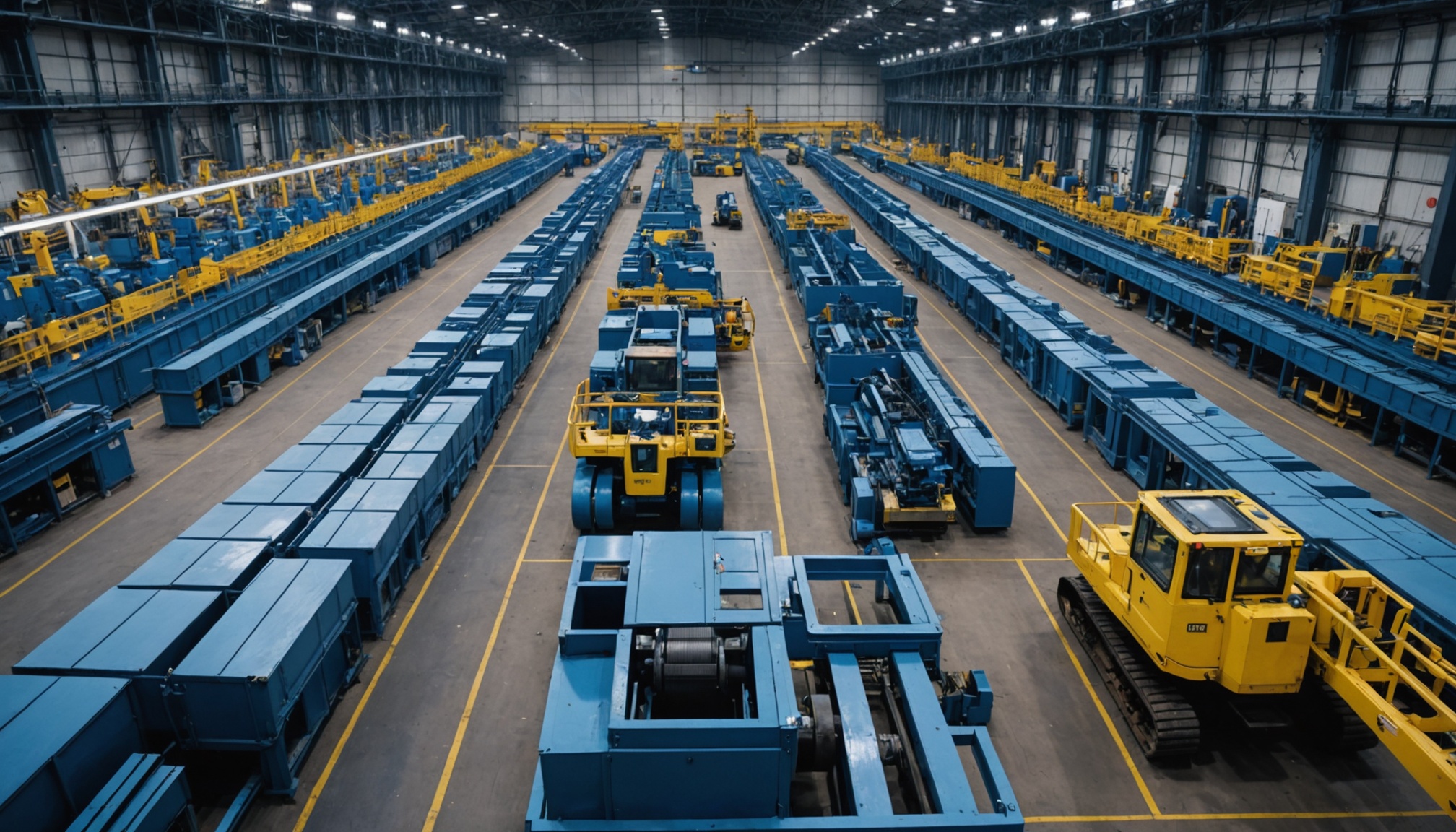
ASML's expansion of EUV lithography production capacity signals a critical supply-chain bottleneck in AI infrastructure. The Dutch chipmaker controls the only viable path to advanced semiconductor manufacturing, making its output a hard constraint on how quickly GPU and AI accelerator makers can scale. Increased production directly enables the next generation of training clusters and inference hardware, but also exposes the geopolitical and industrial fragility underpinning the AI boom. This is a rare moment where hardware supply becomes the limiting factor rather than algorithmic innovation.
Modelwire context
Analyst takeThe real story isn't ASML's ambition to build more machines, it's that the entire AI infrastructure buildout has a single-point-of-failure in the Netherlands, and no credible alternative supplier exists on any near-term horizon. Demand acceleration from hyperscalers and chip fabs is now outpacing what even a monopolist can deliver.
This is largely disconnected from recent activity in our archive, as Modelwire has not yet covered the semiconductor equipment layer in depth. The story belongs to a broader supply chain thread that runs underneath the AI infrastructure race: the one we've touched on the compute side (GPU allocation, data center buildouts) but not yet traced back to the tooling that makes advanced chips possible in the first place. ASML sits one level upstream from TSMC and Samsung, which means any capacity constraint here propagates forward into every AI chip roadmap simultaneously.
Watch whether TSMC or a major hyperscaler announces a multi-year ASML supply agreement with explicit machine-count commitments in the next two quarters. That would confirm the bottleneck is being managed through long-term contracts rather than spot allocation, which changes the risk profile for everyone else in the queue.
This analysis is generated by Modelwire’s editorial layer from our archive and the summary above. It is not a substitute for the original reporting. How we write it.
MentionsASML · EUV lithography · Wall Street Journal
Modelwire Editorial
This synthesis and analysis was prepared by the Modelwire editorial team. We use advanced language models to read, ground, and connect the day’s most significant AI developments, providing original strategic context that helps practitioners and leaders stay ahead of the frontier.
Modelwire summarizes, we don’t republish. The full content lives on the-decoder.com. If you’re a publisher and want a different summarization policy for your work, see our takedown page.