Trump’s EO Furthers Model Exclusivity, Harming Cyber Defenders
Source published ·Modelwire updated
Original coverage: AI Business ↗·How Modelwire adds context
The development
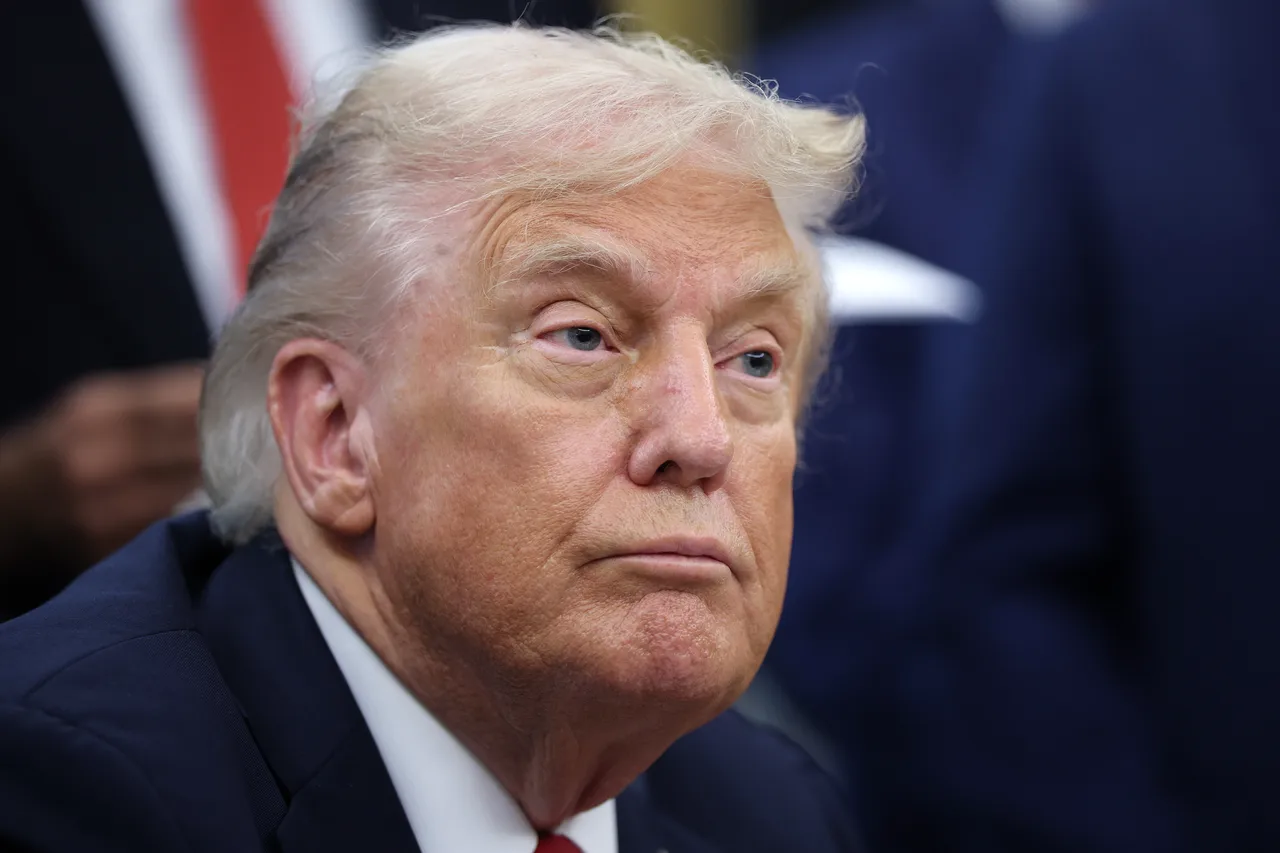
A Trump administration executive order is reshaping access to frontier AI models by concentrating distribution rights among select providers, potentially widening the gap between well-connected vendors and independent security researchers. The policy aims to deepen ties between model developers and federal agencies, but creates structural barriers for defensive cybersecurity teams who rely on broad model availability for threat detection and vulnerability research. This consolidation trade-off signals a shift toward state-aligned AI governance over open-access paradigms, with downstream effects on how the security community can evaluate and stress-test emerging systems.
Modelwire’s AI-generated summary of coverage from AI Business.
Modelwire analysis
Analyst takeOur AI-generated reading of the wider context and the next developments to watch.
The executive order's most underreported consequence isn't ideological, it's procurement-structural: by routing model access through select providers with federal contracts, the policy effectively makes cloud distribution agreements like the OpenAI-AWS deal a prerequisite for any organization needing frontier model access for defensive security work.
That AWS-OpenAI distribution story from June 1st is directly relevant here. What read as a routine go-to-market move now looks like early positioning for exactly this kind of preferential access regime, where bundling into existing federal procurement workflows becomes a structural advantage rather than a convenience. Meanwhile, Nvidia's Nemotron 3 Ultra sitting at the top of the open-weights leaderboard (also June 1st) points to a potential pressure valve: if open-weight models remain competitive on capability benchmarks, security researchers locked out of proprietary channels have a credible fallback. The ICE spyware coverage from 404 Media reinforces the broader pattern of government procurement outpacing accountability, suggesting this EO fits a consistent posture rather than an isolated policy decision.
Watch whether any of the named select providers publish updated federal contract terms within the next 90 days that explicitly restrict sublicensing to independent security researchers. That would confirm the exclusivity is structural and not just a side effect of procurement bureaucracy.
This interpretation is generated from the summary above and the archive coverage cited below. Our methodology · Report an error
Coverage behind this analysis
These archive entries ground the connection in our analysis. They are ordered by source publication date, with links to our coverage and the original sources.
·OpenAI
OpenAI frontier models and Codex are now available on AWS
OpenAI's frontier models and Codex are now generally available through AWS Marketplace, removing friction for enterprises locked into Amazon's ecosystem. This partnership deepens the cloud vendor's AI moat by bundling OpenAI's capabilities into existing procurement and governance workflows, while giving OpenAI direct access to AWS's massive customer base without building parallel sales infrastructure. The move…
MentionsTrump administration · Model providers · U.S. federal agencies · Cybersecurity researchers
How this coverage is produced
Modelwire uses AI to generate summaries and context from source headlines, snippets, and selected archive coverage. Automated checks do not verify every claim, and items are not routinely reviewed by a person before publication. Zacaria Solis operates the site. Read the linked source for the full evidence and report errors through our corrections process.
Modelwire summarizes, we don’t republish. The full content lives on aibusiness.com. If you’re a publisher and want a different summarization policy for your work, see our takedown page.