Trump's AI executive order may not prevent dangerous deployments
Source published ·Modelwire updated
Original coverage: Ars Technica - AI ↗·How Modelwire adds context
The development
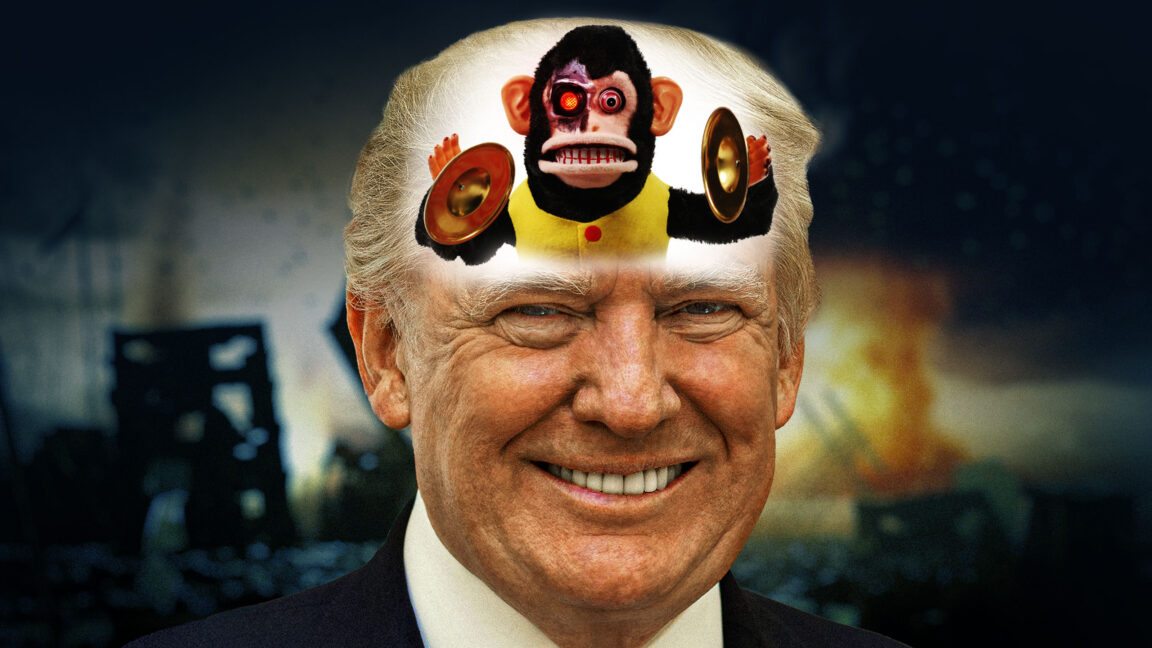
Trump's proposed AI testing framework faces pushback from safety advocates who argue it prioritizes speed-to-deployment over meaningful risk mitigation. The executive order centers on model evaluation before release, but critics contend the approach lacks teeth: no binding standards for what constitutes safe deployment, no enforcement mechanism for violations, and no requirement that testing results block market entry. This reflects a broader tension in AI governance between innovation-friendly deregulation and precautionary oversight. For practitioners, the takeaway is that U.S. policy may continue favoring industry self-governance over mandatory safety gates, potentially reshaping how labs approach pre-release validation.
Modelwire’s AI-generated summary of coverage from Ars Technica - AI.
Modelwire analysis
Analyst takeOur AI-generated reading of the wider context and the next developments to watch.
The more pointed issue the summary sidesteps is that voluntary testing frameworks don't just fail to prevent harm, they actively advantage labs that move fastest, because slower, more cautious competitors absorb the cost of rigor while facing the same market entry conditions as those who don't.
This connects directly to OpenAI's policy statement from June 1st, where the company formalized its intent to shape regulation through direct advocacy rather than accept externally imposed standards. That positioning makes more sense read alongside this executive order: if the framework has no binding teeth, labs that helped draft the language have effectively secured a permissive operating environment while maintaining the appearance of regulatory cooperation. The Florida lawsuit against OpenAI, also from June 1st, adds pressure from the other direction, showing that liability exposure in the courts may end up doing what federal policy deliberately avoids. Import AI's June 1st digest flagged the operational difficulty of building effective oversight mechanisms, which is precisely the gap this executive order leaves unaddressed.
Watch whether any major lab voluntarily publishes pre-deployment evaluation results under the new framework within the next 90 days. If none do, that confirms the absence of disclosure requirements is being treated as permission to stay silent, not an oversight.
This interpretation is generated from the summary above and the archive coverage cited below. Our methodology · Report an error
Coverage behind this analysis
These archive entries ground the connection in our analysis. They are ordered by source publication date, with links to our coverage and the original sources.
·OpenAI
Our views on AI policy and political advocacy
OpenAI has formalized its stance on regulatory engagement and political neutrality, clarifying that the company actively participates in policy discussions while maintaining independence from external political actors. The statement underscores a strategic positioning within the intensifying debate over AI governance, signaling OpenAI's commitment to shaping regulation through direct advocacy rather than ceding the conversation to…
MentionsTrump · U.S. Executive Branch
How this coverage is produced
Modelwire uses AI to generate summaries and context from source headlines, snippets, and selected archive coverage. Automated checks do not verify every claim, and items are not routinely reviewed by a person before publication. Zacaria Solis operates the site. Read the linked source for the full evidence and report errors through our corrections process.
Modelwire summarizes, we don’t republish. The full content lives on arstechnica.com. If you’re a publisher and want a different summarization policy for your work, see our takedown page.