University Claims Withholding Water From Nuclear Weapons Data Center Is 'Unlawfully Discriminatory' to Data Centers
Source published ·Modelwire updated
Original coverage: 404 Media ↗·How Modelwire adds context
The development
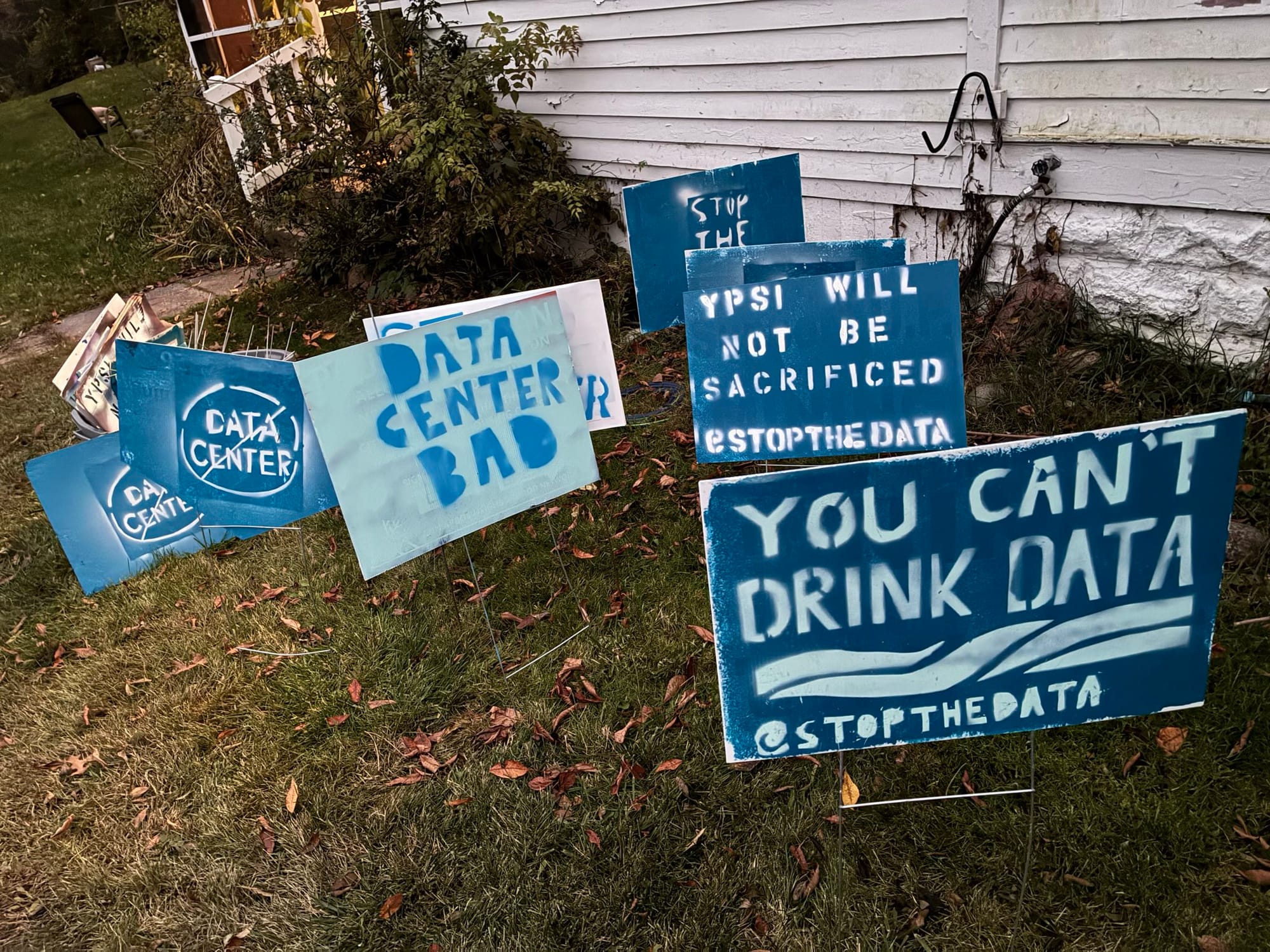
A Michigan university is escalating a water-access dispute with a local community over a nuclear weapons research data center, threatening legal action if the municipality refuses to supply cooling water. The conflict highlights mounting tensions between AI and compute infrastructure expansion and resource constraints in smaller jurisdictions. As hyperscalers race to build massive training and inference clusters, water availability and municipal cooperation have become critical bottlenecks. This case signals how infrastructure disputes could reshape where next-generation AI compute gets deployed, potentially fragmenting the geographic concentration of AI development.
Modelwire’s AI-generated summary of coverage from 404 Media.
Modelwire analysis
Analyst takeOur AI-generated reading of the wider context and the next developments to watch.
The university's framing of water denial as 'unlawfully discriminatory' is the buried lede: it attempts to convert a local resource negotiation into a civil rights or equal-protection legal argument, which, if it gains traction, would significantly constrain municipal leverage over data center siting decisions nationwide.
This dispute belongs to the same infrastructure bottleneck story that has been building quietly beneath the model-capability headlines. While our coverage has tracked the competitive dynamics of frontier labs, including the US-China capability divergence reported by The Decoder in early May, the physical layer of that competition is increasingly where constraints bite. Water, power, and local permitting are now as strategically relevant as chip supply. The nuclear weapons research angle adds a wrinkle that pure commercial hyperscaler disputes lack: federal mission framing could give the university legal tools that a private operator would not have.
Watch whether the municipality capitulates before any court filing, which would signal that legal threat alone is sufficient to override local resource governance. If the university actually files suit and cites federal preemption or equal-protection doctrine, that sets a precedent worth tracking across every contested data center siting in the next 18 months.
This interpretation is generated from the summary above and the archive coverage cited below. Our methodology · Report an error
Coverage behind this analysis
These archive entries ground the connection in our analysis. They are ordered by source publication date, with links to our coverage and the original sources.
·The Decoder
China is falling behind in the AI race, according to a US government benchmark
A US government benchmark claims China trails by eight months in AI capability, yet independent metrics contradict this assessment. The strategic tension centers not on raw model performance but on competing economic models: American labs prioritize frontier capability while Chinese competitors like Deepseek have captured significant market share through aggressive pricing. This divergence suggests the…
MentionsUniversity (unnamed Michigan) · Michigan community (unnamed) · Nuclear weapons research data center
How this coverage is produced
Modelwire uses AI to generate summaries and context from source headlines, snippets, and selected archive coverage. Automated checks do not verify every claim, and items are not routinely reviewed by a person before publication. Zacaria Solis operates the site. Read the linked source for the full evidence and report errors through our corrections process.
Modelwire summarizes, we don’t republish. The full content lives on 404media.co. If you’re a publisher and want a different summarization policy for your work, see our takedown page.