US, California Use Purchasing Power to Set AI Rules
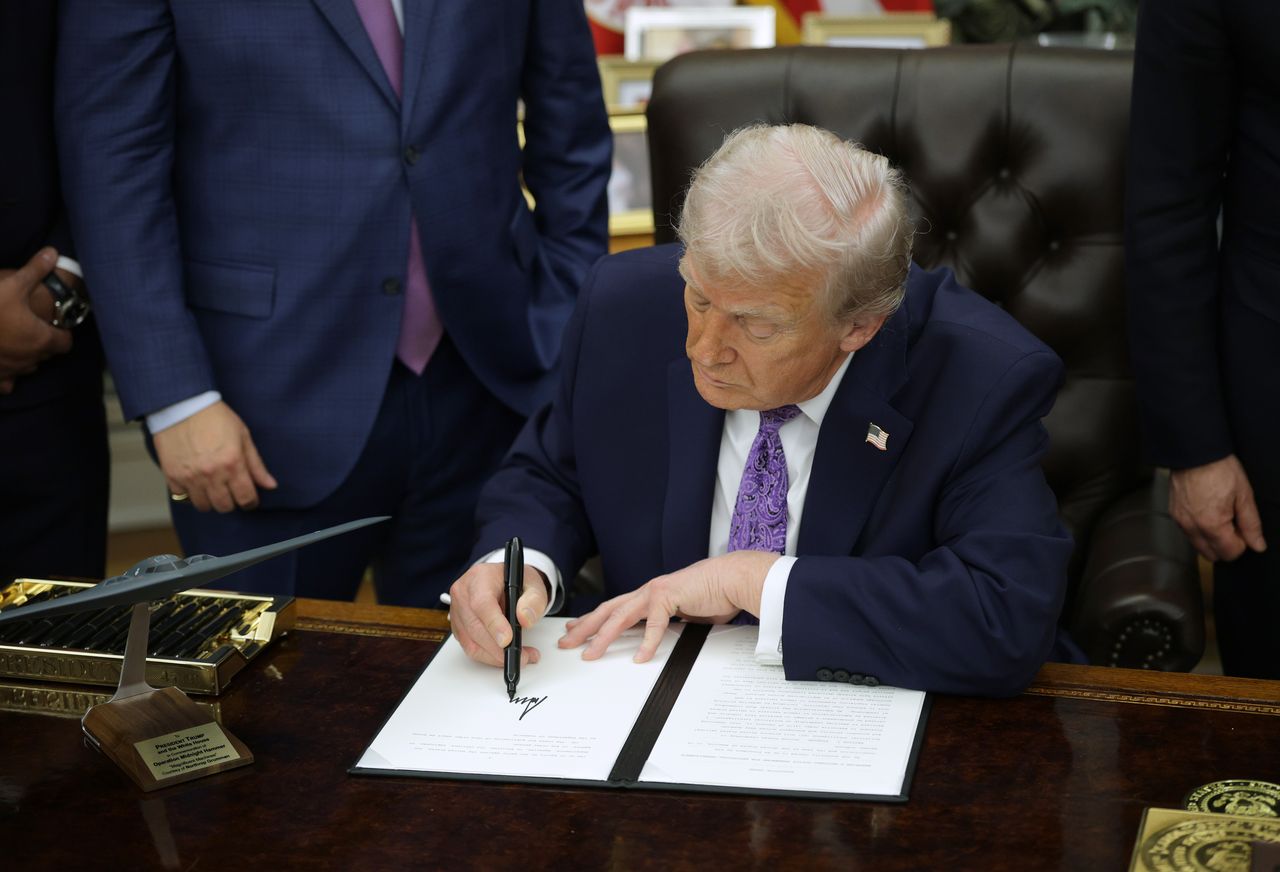
US federal and state governments are leveraging procurement rules to enforce AI governance where legislation hasn't materialized, with California and federal agencies using purchasing power as a de facto regulatory lever on AI vendors.
Modelwire context
Analyst takeThe real story isn't that governments are setting rules — it's that procurement requirements are functioning as a parallel regulatory track precisely because formal AI legislation has stalled, meaning vendors who can meet government standards gain a structural advantage that has nothing to do with capability benchmarks.
MIT Technology Review's April 16 piece on 'making AI operational in constrained public sector environments' is the direct technical counterpart to this story: it described how small language models are being shaped to fit government security and governance constraints, and this procurement story explains the commercial pressure driving that adaptation. Together they sketch a two-sided dynamic where vendors are being pulled toward compliance-ready architectures by the threat of losing government contracts. That's a meaningful market signal. The UK's $675 million sovereign AI fund, covered the same week, adds a third data point: governments globally are moving from passive observers to active shapers of which AI infrastructure gets built and by whom.
Watch whether mid-size AI vendors begin publishing explicit procurement compliance documentation in the next two quarters — if that becomes standard practice, it confirms that purchasing requirements are functioning as de facto regulation more effectively than any pending legislation.
Coverage we drew on
- Making AI operational in constrained public sector environments · MIT Technology Review — AI
This analysis is generated by Modelwire’s editorial layer from our archive and the summary above. It is not a substitute for the original reporting. How we write it.
MentionsUS Federal Government · California · AI vendors
Modelwire Editorial
This synthesis and analysis was prepared by the Modelwire editorial team. We use advanced language models to read, ground, and connect the day’s most significant AI developments, providing original strategic context that helps practitioners and leaders stay ahead of the frontier.
Modelwire summarizes, we don’t republish. The full content lives on aibusiness.com. If you’re a publisher and want a different summarization policy for your work, see our takedown page.