Virginia data center blackouts expose AI's power infrastructure crisis
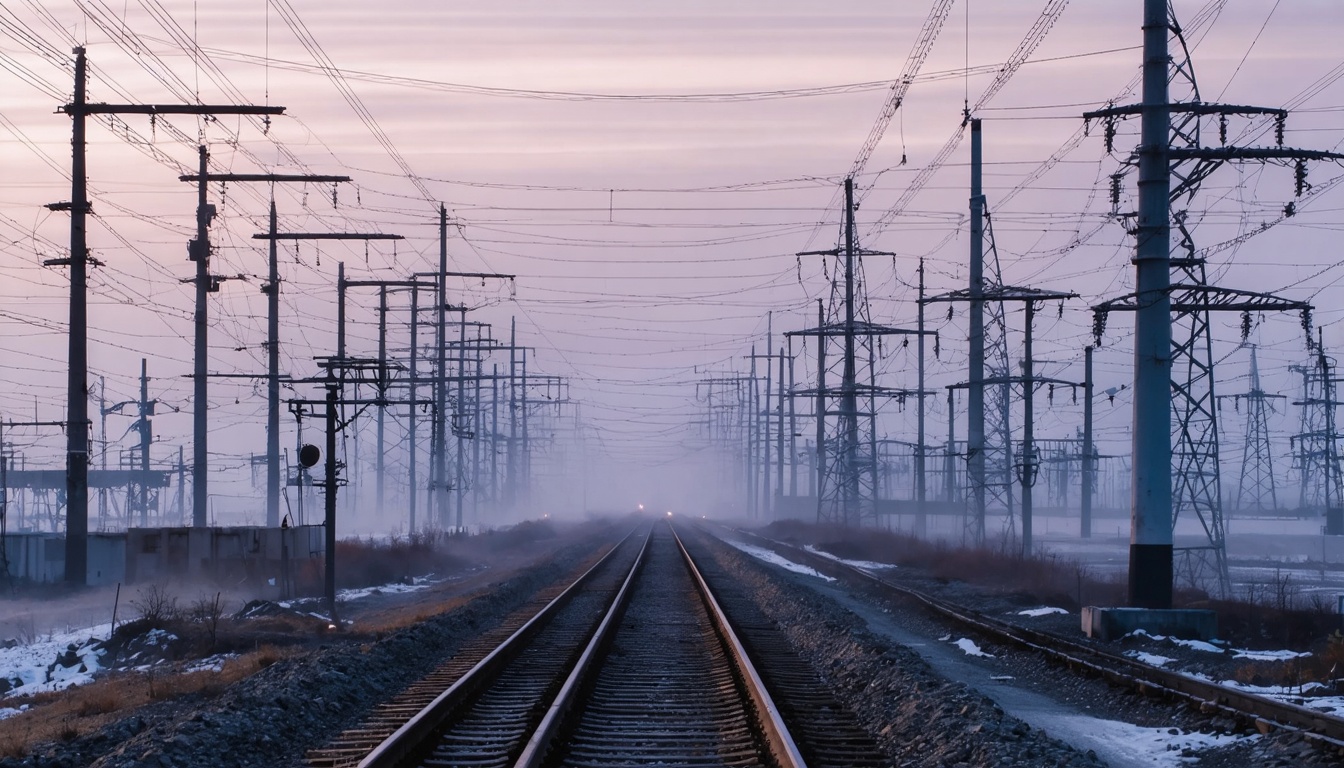
Data center power infrastructure is becoming a critical bottleneck for AI scaling. Recent cascading failures in Virginia's hyperscaler cluster, including a July 2026 outage that shed 3 gigawatts in seconds, expose how fragile the electrical grid supporting AI compute has become. The incident underscores a strategic vulnerability: as model training and inference demands accelerate, grid resilience and transmission architecture lag behind capacity growth. This isn't merely an operational headache for cloud providers; it signals that AI's infrastructure ceiling may be constrained by power delivery architecture rather than chip supply, forcing a reckoning between model ambitions and grid reality.
Modelwire context
Analyst takeThe 3-gigawatt shed figure is striking not just for its scale but for what it implies about concentration risk: a significant portion of U.S. hyperscaler compute capacity appears to share a single regional grid dependency, meaning the vulnerability is geographic and systemic rather than isolated to one operator's facility.
This is largely disconnected from recent activity in our archive, as we have no prior coverage to anchor it to. It belongs to a broader infrastructure-and-compute thread that has been building across the industry: the argument that physical constraints (power, cooling, land, transmission) are becoming the binding limit on AI scaling faster than algorithmic or silicon constraints. That framing has been implicit in coverage of data center investment surges and chip supply debates, but the Virginia incident makes it concrete and measurable in a way that prior discussions rarely did.
Watch whether Virginia's grid operator (PJM) issues formal capacity deferral notices to new data center interconnection requests within the next two quarters. If it does, that would confirm the bottleneck is hardening into policy, not just engineering, and would force hyperscalers to accelerate geographic diversification or accept constrained build-out timelines.
This analysis is generated by Modelwire’s editorial layer from our archive and the summary above. It is not a substitute for the original reporting. How we write it.
MentionsAshburn Virginia · MIT Technology Review
Modelwire Editorial
This synthesis and analysis was prepared by the Modelwire editorial team. We use advanced language models to read, ground, and connect the day’s most significant AI developments, providing original strategic context that helps practitioners and leaders stay ahead of the frontier.
Modelwire summarizes, we don’t republish. MIT Technology Review - AI originally reported this story as “Powering AI is an architecture problem”. The full content lives on technologyreview.com. If you’re a publisher and want a different summarization policy for your work, see our takedown page.