"We pissed off a lot of people": Giant data center plan cut 50% amid protests
Source published ·Modelwire updated
Original coverage: Ars Technica - AI ↗·How Modelwire adds context
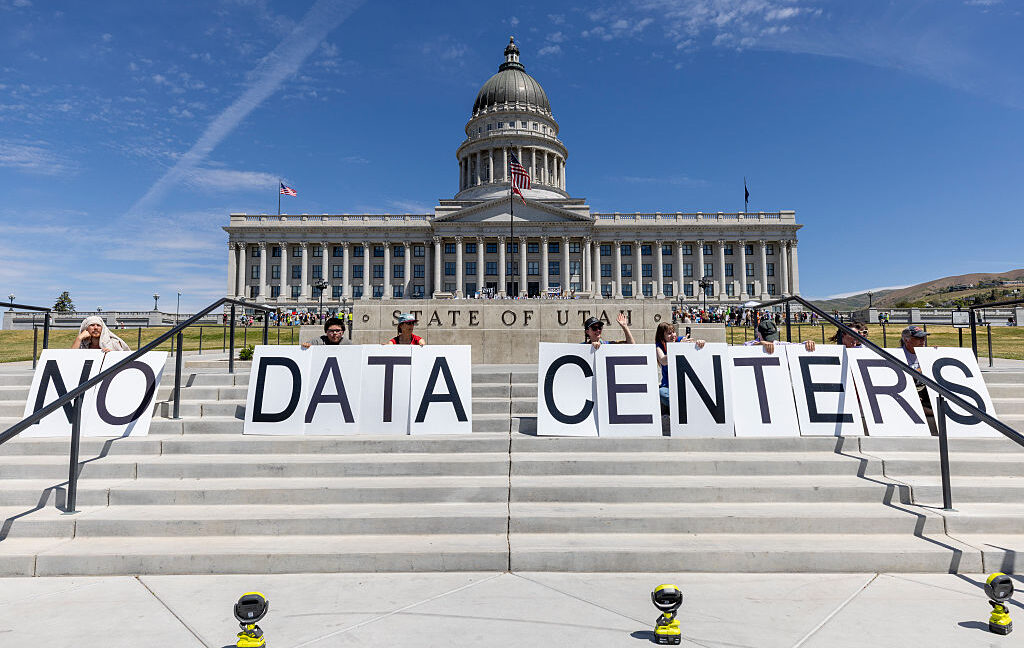
The development
A major data center expansion has been halved following sustained community opposition, signaling growing friction between AI infrastructure buildout and local resistance. The developer's decision to scale back reflects a broader tension in the sector: explosive compute demand from frontier labs is colliding with environmental, grid, and housing concerns in host regions. This precedent matters for the AI supply chain. If permitting and community approval become material constraints on capacity expansion, the timeline and geography of where next-generation model training happens could shift, potentially concentrating compute in more permissive jurisdictions or delaying projects.
Modelwire’s AI-generated summary of coverage from Ars Technica - AI.
Modelwire analysis
Analyst takeOur AI-generated reading of the wider context and the next developments to watch.
The 50% reduction isn't just a local zoning story. It establishes a precedent that organized community opposition can materially shrink a project's footprint, which means developers now face a new category of execution risk that doesn't appear in power procurement or permitting timelines.
This friction sits directly against the infrastructure buildout logic driving coverage from early June. OpenAI's Stargate deployment in Abilene and the broader regional hub model described in our Michigan coverage both depend on the assumption that less-dense jurisdictions will be more permissive hosts. That assumption is now under pressure. Meanwhile, the 404 Media piece on AI-generated anti-datacenter content adds a complicating layer: developers facing opposition will struggle to distinguish authentic grassroots resistance from synthetic astroturfing, making community engagement strategies harder to calibrate. The capital commitments from Alphabet and SoftBank also look different if siting risk is underpriced in those plans.
Watch whether the unnamed developer discloses the revised project timeline and whether other developers in contested jurisdictions quietly reduce announced capacity in the next 60 days. If multiple projects scale back without formal opposition rulings, it signals the industry is internalizing community risk proactively rather than waiting for it to force their hand.
This interpretation is generated from the summary above and the archive coverage cited below. Our methodology · Report an error
Coverage behind this analysis
These archive entries ground the connection in our analysis. They are ordered by source publication date, with links to our coverage and the original sources.
·404 Media
AI Grifters Are Making Anti-Data Center Slop With AI
Coordinated networks of AI-generated content are flooding social media with fabricated anti-data center messaging, revealing how synthetic media infrastructure itself becomes a vector for disinformation campaigns. This represents a strategic escalation in how generative AI enables low-cost, high-volume manipulation of public opinion on infrastructure policy, blurring the line between grassroots activism and algorithmic astroturfing. The…
MentionsData center developer (unnamed) · AI infrastructure · Community opposition groups
How this coverage is produced
Modelwire uses AI to generate summaries and context from source headlines, snippets, and selected archive coverage. Automated checks do not verify every claim, and items are not routinely reviewed by a person before publication. Zacaria Solis operates the site. Read the linked source for the full evidence and report errors through our corrections process.
Modelwire summarizes, we don’t republish. The full content lives on arstechnica.com. If you’re a publisher and want a different summarization policy for your work, see our takedown page.